
Professional video production is all about creating balanced, flattering, and visually engaging images. While the key light is responsible for the primary illumination of a subject, the fill light plays an equally important role by softening shadows, revealing details, and creating a more natural look.
Whether you’re producing films, television broadcasts, YouTube videos, interviews, live streams, commercials, or corporate presentations, choosing the right fill light can dramatically improve your production quality.
In this guide, we’ll explain what fill lights are, why they matter, the best types of fill lights for different applications, and how to choose the right one for your production.
What Is a Fill Light?
A fill light is a secondary light source used to reduce the shadows created by the key light.
Unlike the key light, the fill light is typically softer and less intense. Its purpose is not to eliminate shadows completely but to control contrast and preserve natural depth.
A properly positioned fill light helps produce professional-looking footage without making the subject appear flat.
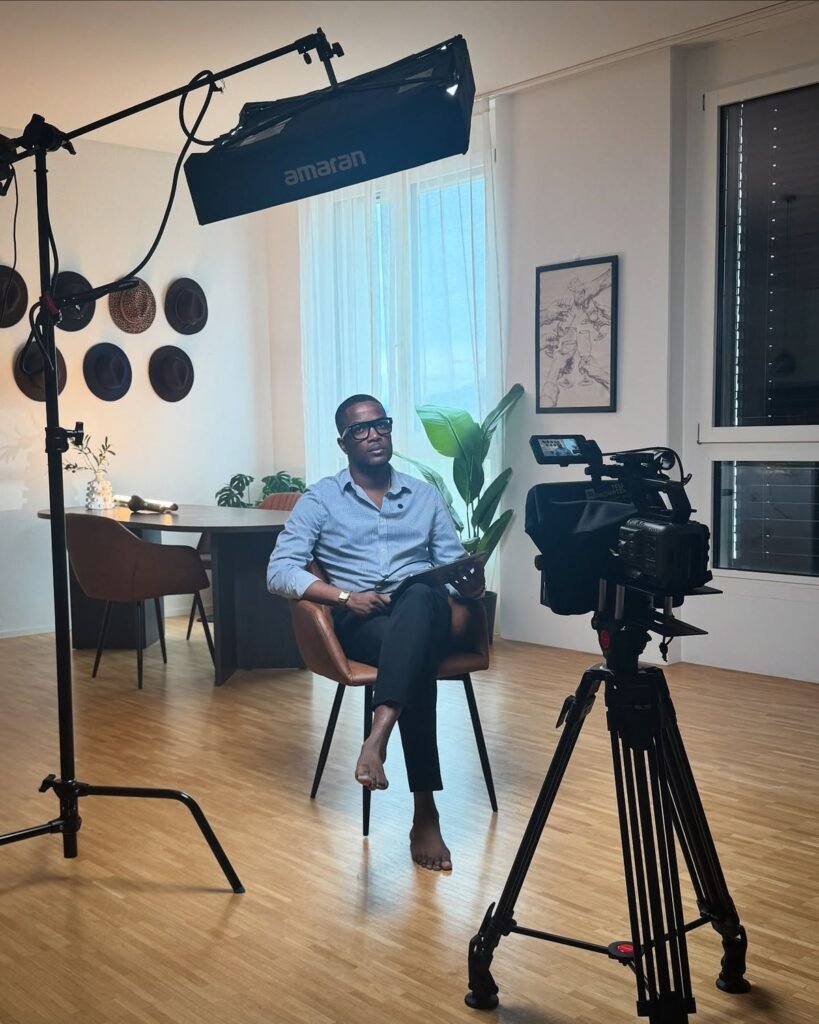
Why Fill Lights Are Important
Without a fill light, strong key lighting can create:
- Harsh facial shadows
- High contrast
- Loss of detail
- Uneven skin tones
- Unbalanced exposure
Adding a fill light results in:
- Softer shadows
- Better facial detail
- More natural lighting
- Improved camera performance
- Professional image quality
Best Types of Fill Lights
LED Flat Panel Lights
LED flat panels are among the most popular fill lights for professional video production.
Advantages include:
- Soft, even illumination
- Adjustable brightness
- Lightweight design
- Low heat output
- Excellent color consistency
They are ideal for:
- Interviews
- Broadcast studios
- Corporate videos
- YouTube content
- Online training
Soft LED Panel Lights
Soft LED panels use diffusion technology to create smooth illumination with minimal shadows.
These fixtures are commonly used for:
- Beauty videos
- Portrait interviews
- Live streaming
- Film production
RGBAL LED Panels
RGBAL fixtures provide high-quality white light along with advanced color control.
They offer:
- Adjustable color temperature
- High CRI
- High TLCI
- Accurate skin tones
- Camera-friendly illumination
These are excellent choices for professional productions.
Fresnel Lights with Diffusion
LED Fresnel lights fitted with softboxes or diffusion filters can also serve as effective fill lights when greater output is required.
Choosing the Right Fill Light
When selecting a fill light, consider the following factors.
Color Accuracy
Choose fixtures with:
- CRI 95+
- High TLCI ratings
Accurate color reproduction ensures realistic skin tones and natural-looking footage.
Adjustable Brightness
Dimming controls allow you to fine-tune the fill light without affecting the overall lighting balance.
Adjustable Color Temperature
Professional fill lights should support variable color temperatures to match different shooting environments.
Common ranges include:
- 2700K–6500K
- 3200K–5600K
Flicker-Free Performance
High-quality fixtures eliminate flicker during:
- High-speed recording
- Broadcast production
- Slow-motion filming
Silent Operation
Fanless or low-noise fixtures are recommended for productions that record live audio.
Fill Light Placement
Correct positioning is just as important as choosing the right fixture.
General guidelines include:
- Place the fill light opposite the key light.
- Position it at approximately 30–45 degrees from the camera.
- Keep the intensity lower than the key light.
- Use diffusion for softer shadows.
- Adjust height to maintain natural facial lighting.
Proper placement creates balanced and flattering results.
Fill Lights in Three-Point Lighting
The fill light is one of the three essential components of a traditional lighting setup.
Key Light
The primary light source illuminating the subject.
Fill Light
Reduces harsh shadows created by the key light.
Back Light
Separates the subject from the background, adding depth and dimension.
Together, these three lights create a professional and cinematic appearance.
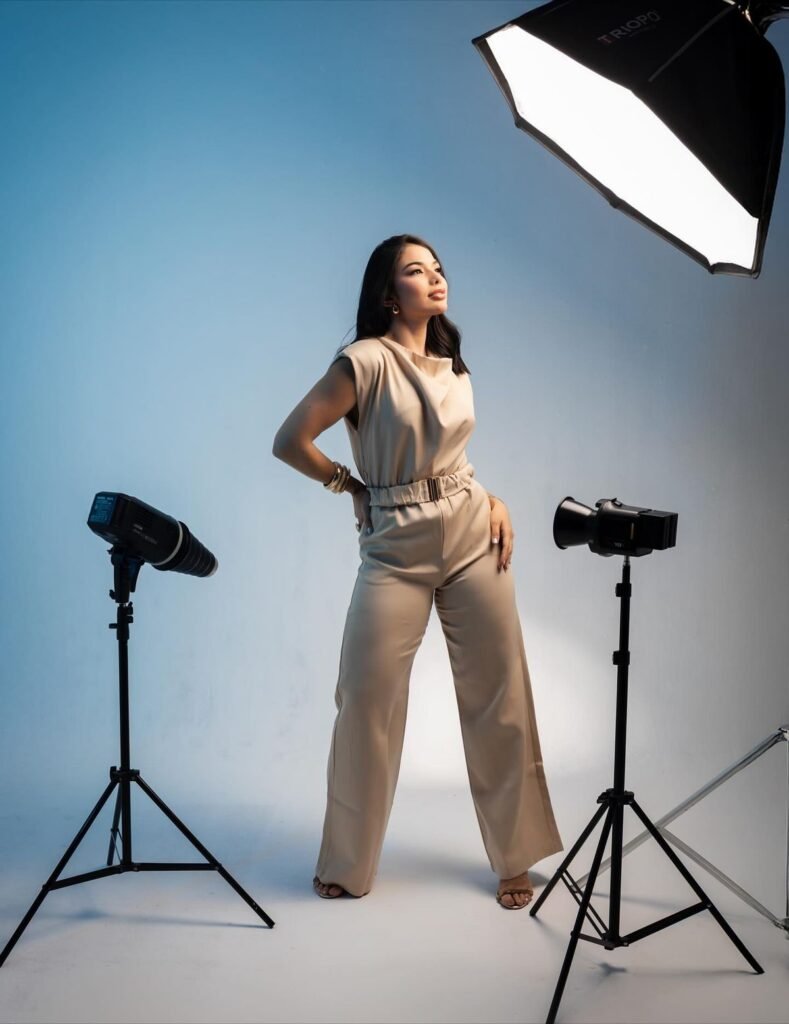
Best Applications for Fill Lights
Professional fill lights are used in many production environments.
Film Production
Fill lights soften dramatic shadows while maintaining cinematic depth.
Television Studios
Balanced fill lighting improves image consistency across multiple camera angles.
YouTube Studios
Content creators use fill lights to produce polished, high-quality videos.
Live Streaming
Soft fill lighting enhances facial appearance during long broadcasts.
Corporate Video Production
Professional fill lighting improves presenter visibility and creates a polished look.
Interview Setups
Proper fill lighting produces flattering portraits while maintaining natural contrast.
Common Fill Lighting Mistakes
Avoid these common errors:
- Using a fill light that is too bright
- Eliminating all shadows
- Mixing incompatible color temperatures
- Positioning the fill light too close to the camera
- Using low-CRI fixtures
- Ignoring white balance settings
Careful adjustments create more natural-looking footage.
Future Trends in Fill Lighting
Fill lighting technology continues to improve with features such as:
- AI-assisted exposure adjustment
- Wireless app control
- RGBAL lighting engines
- Intelligent brightness control
- Smart scene presets
- Cloud-based lighting management
These innovations help simplify professional lighting workflows.
Frequently Asked Questions
What is a fill light used for?
A fill light reduces shadows created by the key light, improving facial detail and creating balanced, professional-looking images.
Which light is best for fill lighting?
LED flat panel lights and soft LED panels are among the most popular choices because they provide smooth, even illumination with excellent color accuracy.
Should a fill light be brighter than the key light?
No. A fill light should generally be less intense than the key light to preserve natural contrast and depth.
What color temperature should a fill light use?
The fill light should usually match the key light, with adjustable fixtures offering ranges such as 2700K–6500K or 3200K–5600K.
Are RGBAL lights good as fill lights?
Yes. RGBAL fixtures provide outstanding white light quality, excellent color rendering, and flexible color temperature adjustment, making them ideal for professional video production.
Conclusion
A high-quality fill light is essential for creating balanced, flattering, and professional-looking videos. By reducing harsh shadows while maintaining natural depth, fill lights improve everything from interviews and YouTube videos to broadcast productions and feature films.
When selecting a fill light, prioritize high CRI and TLCI ratings, adjustable brightness, flicker-free performance, silent operation, and accurate color temperature control. Combined with a strong key light and proper back lighting, the right fill light will help you achieve cinematic results in virtually any production environment.