
Successful film productions depend on more than talented actors, skilled camera operators, and creative storytelling. Lighting plays a critical role in shaping the visual quality, mood, and professionalism of every scene.
Whether you’re producing a short film, commercial, documentary, corporate video, television project, or feature-length production, having the right lighting equipment can significantly improve efficiency and production quality.
This comprehensive film lighting equipment checklist will help production teams understand the essential tools needed for professional filmmaking and ensure nothing important is overlooked before arriving on set.
Why Proper Lighting Equipment Matters
Professional lighting helps production teams:
- Achieve consistent image quality
- Create visual depth
- Control mood and atmosphere
- Improve skin tone reproduction
- Enhance storytelling
- Reduce post-production corrections
Even the most advanced cameras rely on proper lighting to achieve professional results.
Core Lighting Fixtures
Every production should begin with reliable primary lighting fixtures.
Key Lights
Key lights provide the primary illumination for subjects and scenes.
Common options include:
- Fresnel lights
- LED spotlights
- Soft LED fixtures
- High-output panel lights
The key light establishes the overall look and direction of a scene.
Fill Lights
Fill lights reduce shadows created by the key light.
Popular choices include:
- Flat panel lights
- Soft LED panels
- Diffused LED fixtures
Fill lighting helps create balanced exposure while maintaining natural depth.
Back Lights
Back lights separate subjects from the background.
They are commonly used to create:
- Hair highlights
- Rim lighting
- Subject separation
- Added dimensionality
Back lighting is a standard component of professional film lighting setups.
Flat Panel Lights
Flat panel lights have become essential tools in modern film production.
Benefits include:
- Soft illumination
- Lightweight design
- Adjustable brightness
- Adjustable color temperature
- Low heat generation
Common uses include:
- Interviews
- Dialogue scenes
- Fill lighting
- Portable productions
Their versatility makes them valuable additions to almost any production kit.
Fresnel Lights
Fresnel fixtures remain one of the most widely used tools in filmmaking.
Advantages include:
- Adjustable beam angles
- Directional control
- Professional light shaping
- Versatile applications
They are frequently used as:
- Key lights
- Accent lights
- Background lights
- Controlled scene lighting
Many professional productions consider Fresnel fixtures indispensable.
LED Lighting Fixtures
Modern film productions increasingly rely on LED technology.
Advantages include:
- Energy efficiency
- Long lifespan
- Reduced heat output
- Portable operation
- Advanced control features
LED fixtures are now standard across many film and television productions.
Light Stands and Mounting Equipment
Lighting fixtures require secure support systems.
Essential mounting equipment includes:
- Light stands
- C-stands
- Boom arms
- Ceiling mounts
- Adjustable brackets
Stable mounting equipment improves safety and setup flexibility.
Diffusion Equipment
Diffusion softens harsh lighting and creates more flattering illumination.
Common diffusion tools include:
- Softboxes
- Diffusion fabrics
- Silk panels
- Diffusion frames
Diffusion is particularly important for close-up shots and interviews.
Reflectors
Reflectors help redirect and shape existing light.
They are useful for:
- Filling shadows
- Enhancing natural light
- Improving efficiency
- Reducing equipment requirements
Many productions carry multiple reflector sizes and finishes.
Flags and Light Control Tools
Light control is just as important as light generation.
Essential control tools include:
- Flags
- Cutters
- Barn doors
- Gobos
- Black wrap
These accessories help eliminate unwanted light spill and improve scene control.
Power Distribution Equipment
Reliable power management is critical on professional productions.
Checklist items include:
- Power cables
- Extension cords
- Power distribution boxes
- Surge protectors
- Battery systems
Proper power planning helps avoid delays and technical issues.
Battery-Powered Lighting Solutions
Portable productions often require battery-operated fixtures.
Battery-powered systems are especially useful for:
- Outdoor filming
- Documentary work
- Remote locations
- Fast-moving productions
Many modern LED fixtures offer long battery life and reliable performance.
DMX Lighting Control Systems
Larger productions often use DMX control systems to manage multiple fixtures simultaneously.
Benefits include:
- Centralized control
- Consistent settings
- Faster adjustments
- Improved workflow efficiency
DMX systems are widely used in film, television, and live event productions.
Color Correction Accessories
Matching different light sources often requires color correction tools.
Common accessories include:
- CTO gels
- CTB gels
- Diffusion gels
- Color effect filters
These tools help maintain consistent color temperature throughout production.
Monitoring and Measurement Tools
Professional productions use specialized tools to verify lighting accuracy.
Important equipment includes:
Light Meters
Used to measure exposure levels.
Color Meters
Used to verify color temperature consistency.
Waveform Monitors
Help evaluate exposure and brightness.
False Color Monitoring
Commonly used on modern cinema cameras.
These tools help ensure professional-quality results.
Lighting Equipment for Interviews
Interview productions typically require:
- Key light
- Fill light
- Back light
- Background lighting
This arrangement creates the classic three-point lighting setup used throughout the industry.
Lighting Equipment for Documentary Productions
Documentary crews often prioritize:
- Portable LED fixtures
- Battery-powered lighting
- Compact stands
- Lightweight accessories
Mobility and speed are often more important than large studio setups.
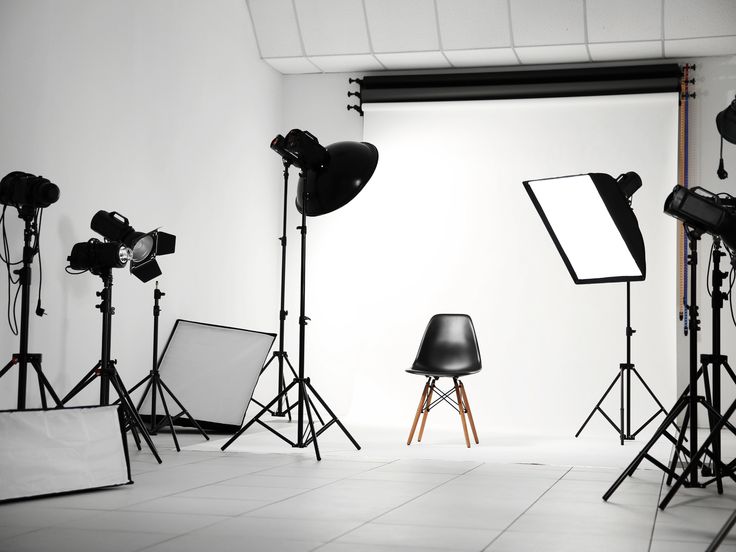
Lighting Equipment for Studio Productions
Studio environments may require:
- Ceiling-mounted fixtures
- Large soft lights
- Fresnel systems
- Permanent lighting grids
- DMX-controlled setups
Studios prioritize consistency and flexibility.
Pre-Shoot Lighting Checklist
Before every production, verify:
Lighting Fixtures
- All fixtures operational
- Spare bulbs or backup units available
- Firmware updated if applicable
Power Equipment
- Power cables packed
- Extension cords available
- Battery systems charged
Light Control Equipment
- Diffusion materials packed
- Flags available
- Barn doors installed
Mounting Equipment
- Light stands inspected
- C-stands secured
- Safety cables available
Control Systems
- DMX controllers tested
- Wireless controls functioning
Completing this checklist can help prevent costly production delays.
Frequently Asked Questions
What lighting equipment is essential for filmmaking?
Most productions require key lights, fill lights, back lights, stands, diffusion tools, reflectors, and power distribution equipment.
Are LED lights good for film production?
Yes. LED fixtures offer energy efficiency, flexibility, low heat output, and excellent color accuracy.
Why are Fresnel lights used in filmmaking?
Fresnel fixtures provide adjustable beam control and directional lighting, making them highly versatile for film productions.
What is the purpose of diffusion in film lighting?
Diffusion softens light, reduces harsh shadows, and creates more flattering illumination.
Do film productions use DMX control systems?
Many professional productions use DMX systems to manage lighting efficiently and maintain consistency.
Conclusion
A well-prepared lighting package is essential for efficient and professional film production. From key lights and Fresnel fixtures to diffusion materials, power systems, and DMX controls, every piece of equipment contributes to creating high-quality visuals and smooth production workflows.
By using a structured equipment checklist and planning ahead, production teams can minimize technical issues, improve efficiency, and focus on delivering outstanding creative results on every project.