
Flat panel lights have become one of the most popular lighting solutions in modern studios, television broadcasts, live streaming setups, photography environments, and video production facilities. Known for their soft illumination, energy efficiency, and versatility, these fixtures are widely used by professionals who require high-quality lighting with minimal setup complexity.
Whether you’re operating a television studio, creating online content, filming interviews, or upgrading a professional production space, understanding flat panel lights can help you choose the right lighting equipment for your needs.
In this guide, we’ll explain what flat panel lights are, how they work, their advantages, and the situations where they perform best.
What Is a Flat Panel Light?
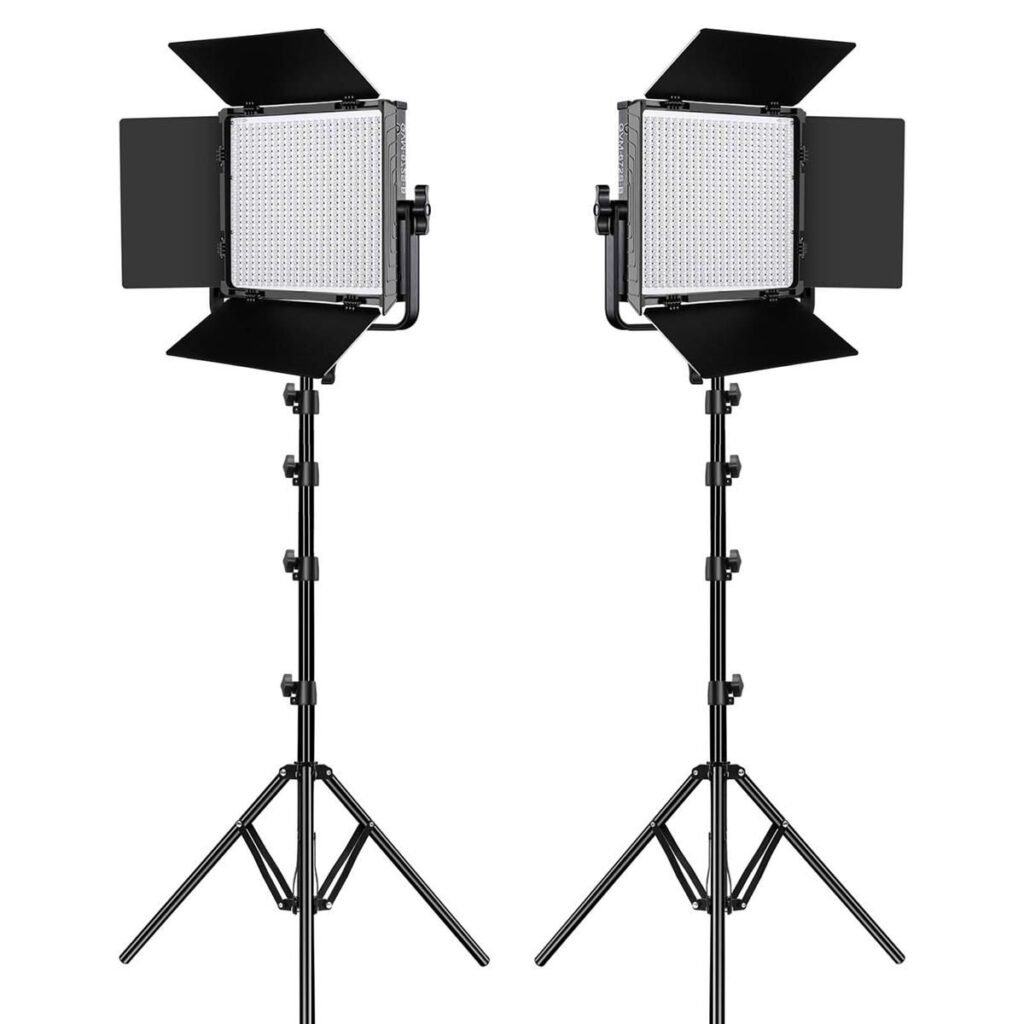
A flat panel light is a lighting fixture that uses an array of LEDs distributed across a flat surface to produce soft, even illumination.
Unlike traditional spotlights or beam fixtures that create concentrated light, flat panel lights are designed to spread light evenly across a subject or scene.
Most modern flat panel lights feature:
- LED technology
- Slim and lightweight designs
- Adjustable brightness
- Adjustable color temperature
- Low heat output
- High color accuracy
Because of these features, flat panel lights have become a standard tool in professional video and broadcast environments.
How Flat Panel Lights Work
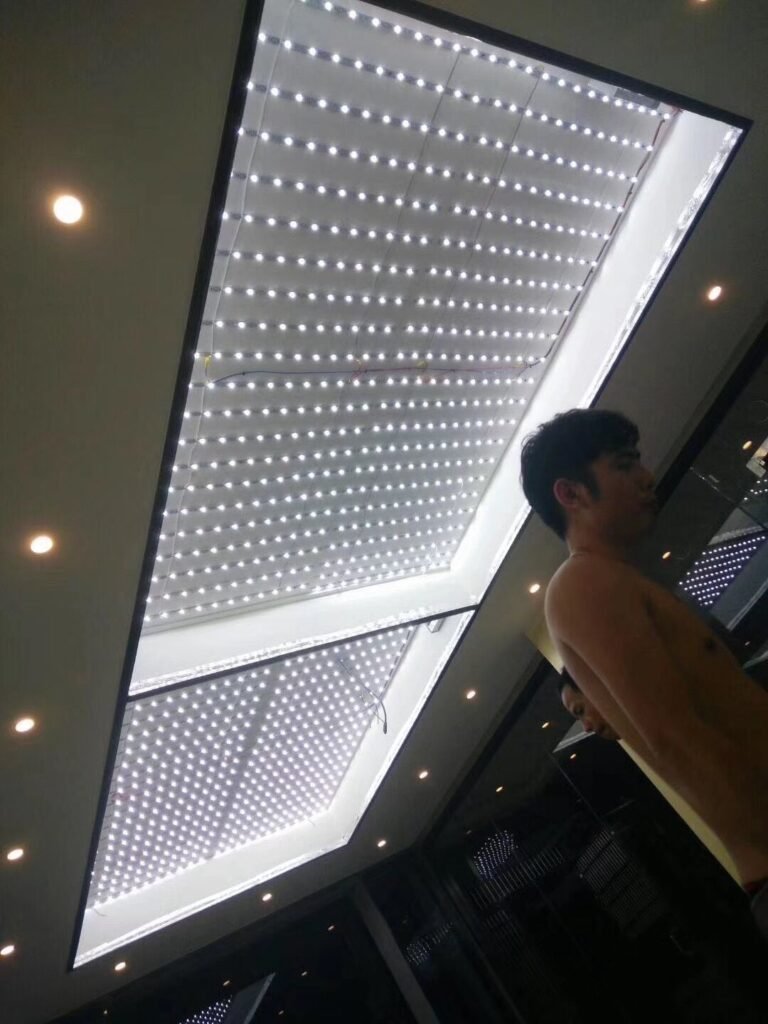
Flat panel lights use multiple LEDs positioned behind a diffusion layer.
This design helps:
- Soften light output
- Reduce harsh shadows
- Create even illumination
- Improve subject appearance
The diffusion surface distributes light smoothly, making flat panels ideal for applications where natural-looking lighting is important.
Why Flat Panel Lights Are Popular
Modern productions require lighting that is efficient, flexible, and visually pleasing.
Flat panel lights meet these requirements by offering:
- Consistent illumination
- Easy setup
- Professional image quality
- Camera-friendly performance
- Energy efficiency
Their versatility allows them to be used in both small and large production environments.
Key Features of Flat Panel Lights
Soft Light Output
One of the biggest advantages of flat panel lights is their ability to produce soft light.
Soft lighting helps:
- Minimize harsh shadows
- Improve skin tone appearance
- Create flattering visuals
- Enhance video quality
This makes flat panel lights especially valuable for interviews, presentations, and on-camera work.
Adjustable Brightness
Most professional flat panel lights offer dimming controls that allow users to adjust intensity without changing fixture placement.
This flexibility simplifies lighting adjustments during production.
Adjustable Color Temperature
Many flat panel lights allow users to switch between warm and cool color temperatures.
Common ranges include:
- 3200K
- 5600K
- Variable bi-color settings
This feature allows a single fixture to work across multiple environments.
High CRI and TLCI Ratings
Professional flat panel lights often feature:
- CRI ratings above 90
- TLCI ratings above 90
These ratings help ensure accurate color reproduction for both audiences and cameras.
Common Applications for Flat Panel Lights
Television Studios
Television environments require soft and consistent illumination.
Flat panel lights help create:
- Natural skin tones
- Professional broadcasts
- Balanced lighting setups
They are commonly used as key lights, fill lights, and background lights.
Film Production
Flat panels are frequently used for:
- Interviews
- Dialogue scenes
- Indoor productions
- Supplemental lighting
Their soft output reduces the need for additional diffusion.
Photography Studios
Photographers often use flat panel lights to provide consistent lighting for portraits and commercial shoots.
Live Streaming
Content creators and streamers favor flat panel lights because they:
- Improve image quality
- Reduce facial shadows
- Enhance camera performance
Corporate Video Production
Businesses frequently use flat panels for:
- Training videos
- Executive interviews
- Webinars
- Promotional content
Flat Panel Lights vs Traditional Spotlights
While both fixtures serve important roles, they are designed for different purposes.
Flat Panel Lights
Best for:
- Soft illumination
- Interviews
- Broadcast lighting
- Video production
Spotlights
Best for:
- Focused beams
- Stage performances
- Accent lighting
- Long throw applications
Many professional productions use both fixture types together.
Flat Panel Lights vs Softboxes
Both solutions produce soft lighting, but they differ significantly.
Softboxes
- Require external light sources
- Larger setup footprint
- Additional assembly time
Flat Panel Lights
- Integrated LED technology
- Faster setup
- Greater portability
- Easier adjustment
For many productions, flat panel lights provide a more convenient solution.
Advantages of Flat Panel Lights
Energy Efficiency
LED technology consumes less power than traditional lighting systems.
Low Heat Output
Reduced heat improves comfort for talent and crew.
Portable Design
Many flat panels are lightweight and easy to transport.
Long Lifespan
Professional LED flat panels can operate for tens of thousands of hours.
Camera-Friendly Performance
High-quality flat panels provide consistent color accuracy and smooth illumination.
Potential Limitations
Although flat panel lights are highly versatile, they are not ideal for every situation.
Limitations may include:
- Limited beam control
- Reduced long-distance performance
- Less dramatic lighting effects compared to spotlights
For stage productions and concerts, flat panels are often used alongside other fixture types.
How to Choose a Flat Panel Light
When selecting a flat panel light, consider:
Brightness Output
Choose a fixture capable of adequately illuminating your production environment.
Color Temperature Range
Variable color temperature fixtures provide greater flexibility.
CRI and TLCI Ratings
Higher ratings generally provide more accurate color reproduction.
Size and Portability
Consider whether the fixture will remain installed or travel between locations.
Control Features
Professional fixtures may offer:
- DMX control
- Wireless control
- App-based operation
- Preset configurations
Frequently Asked Questions
What is a flat panel light used for?
Flat panel lights are commonly used in television studios, photography, video production, live streaming, interviews, and broadcast environments.
Are flat panel lights good for video production?
Yes. Their soft, even illumination makes them one of the most popular lighting choices for professional video work.
Do flat panel lights get hot?
LED flat panel lights generate significantly less heat than traditional lighting technologies.
What color temperature should a flat panel light have?
Many professionals prefer fixtures with adjustable color temperature settings ranging from 3200K to 5600K.
Are flat panel lights suitable for stage lighting?
They can be used for certain stage applications, but they are typically better suited for studio, broadcast, and video production environments.
Conclusion
Flat panel lights have become an essential tool in modern broadcast, video production, photography, and content creation environments. Their ability to produce soft, flattering illumination while maintaining energy efficiency and color accuracy makes them a valuable addition to any professional lighting setup.
Whether you’re operating a television studio, filming interviews, producing online content, or creating corporate videos, flat panel lights offer a flexible and reliable lighting solution that helps achieve professional-quality results.