
When building a professional lighting setup for stage productions, television studios, film sets, churches, photography environments, or live streaming spaces, two popular fixture types often appear on the shortlist: Fresnel lights and flat panel lights.
Both are widely used in professional lighting applications, but they serve different purposes and produce different results. Choosing the right option depends on your production goals, lighting style, and environment.
In this guide, we’ll compare Fresnel lights and flat panel lights, explain their strengths and limitations, and help you determine which fixture is best for your specific application.
What Is a Fresnel Light?
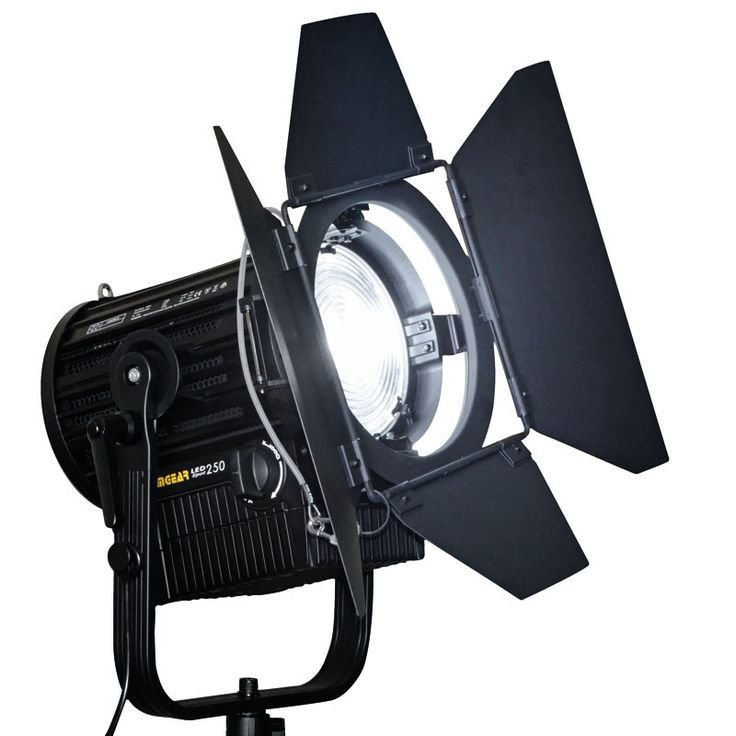
A Fresnel light is a lighting fixture that uses a specialized Fresnel lens to produce a soft-edged beam with adjustable focus.
Originally developed for theaters and film productions, Fresnel fixtures remain one of the most versatile lighting tools in the entertainment industry.
Common applications include:
- Theater productions
- Film production
- Television studios
- Stage performances
- Worship environments
Fresnel lights are valued for their ability to provide controlled and directional illumination.
What Is a Flat Panel Light?
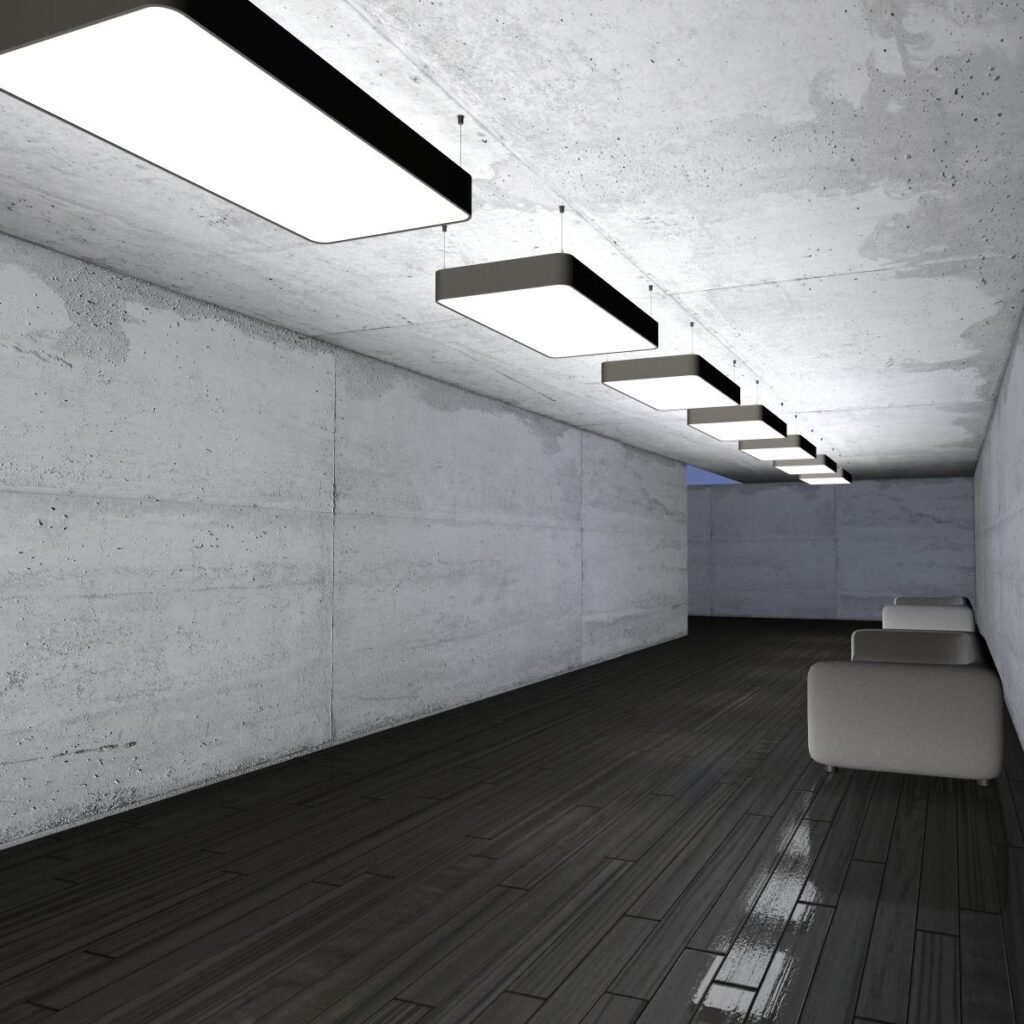
A flat panel light is an LED fixture designed to produce broad, soft, and even illumination across a subject or scene.
These fixtures use multiple LEDs behind a diffusion layer to minimize harsh shadows and create natural-looking light.
Flat panel lights are commonly used in:
- Television broadcasting
- Photography studios
- Video production
- Live streaming
- Corporate video production
Their ease of use and soft light output have made them increasingly popular in modern production environments.
Fresnel Lights vs Flat Panel Lights: Key Differences
Light Quality
Both fixtures produce relatively soft light, but they do so in different ways.
Fresnel Lights
Fresnel fixtures create directional soft light with adjustable focus.
Users can control beam spread to achieve either a narrower or wider output.
Flat Panel Lights
Flat panels produce broad and evenly diffused light across a large area.
Their output is generally softer and less directional.
Winner: Depends on Application
Fresnels offer greater control, while flat panels provide softer overall coverage.
Beam Control
Beam control is one of the biggest differences between these fixture types.
Fresnel Lights
Most Fresnel fixtures allow users to adjust beam angle through spot-to-flood functionality.
This provides greater flexibility when shaping light.
Flat Panel Lights
Flat panels typically offer wide and fixed light distribution.
While some accessories can modify output, beam control is more limited.
Winner: Fresnel Lights
For directional lighting and precise control, Fresnels are superior.
Softness of Light
Fresnel Lights
Produce soft-edged illumination while maintaining directional control.
Flat Panel Lights
Create extremely soft and even light with minimal shadow contrast.
Winner: Flat Panel Lights
Flat panels are generally preferred when maximum softness is desired.
Studio Applications
Fresnel Lights
Often used for:
- Key lighting
- Hair lighting
- Accent lighting
- Controlled studio setups
Flat Panel Lights
Frequently used for:
- Interviews
- Fill lighting
- Broadcast setups
- Content creation
Winner: Tie
Both fixtures perform well in studios when used appropriately.
Stage Lighting Applications
Fresnel Lights
Widely used in theater and stage productions because they provide controlled illumination and flexible beam shaping.
Flat Panel Lights
Less commonly used as primary stage fixtures due to their broad light spread.
Winner: Fresnel Lights
For stage lighting applications, Fresnels are generally the preferred choice.
Television and Broadcast Applications
Broadcast environments often require soft and flattering illumination.
Fresnel Lights
Useful for controlled lighting positions and dramatic setups.
Flat Panel Lights
Provide smooth, even lighting ideal for presenters and interviews.
Winner: Flat Panel Lights
Flat panels are frequently favored in broadcast studios because of their soft output.
Portability and Setup
Fresnel Lights
Can be slightly larger and may require additional accessories.
Flat Panel Lights
Often feature lightweight designs and quick setup procedures.
Winner: Flat Panel Lights
Their portability makes them popular among mobile production teams.
Energy Efficiency
Modern LED versions of both fixture types offer excellent efficiency.
Fresnel LED Fixtures
Low power consumption and long lifespan.
LED Flat Panels
Similarly efficient and reliable.
Winner: Tie
Both technologies perform well.
Color Accuracy
Professional versions of both fixtures often provide:
- High CRI ratings
- High TLCI ratings
- Excellent camera performance
Winner: Tie
Quality depends more on fixture specifications than fixture type.
Common Use Cases
Choose Fresnel Lights If You Need:
- Adjustable beam control
- Stage lighting
- Theater productions
- Directional lighting
- Precise fixture placement
Choose Flat Panel Lights If You Need:
- Soft illumination
- Interview lighting
- Live streaming setups
- Broadcast environments
- Fast deployment
Can You Use Both Together?
Absolutely.
Many professional productions combine Fresnel lights and flat panel lights to take advantage of each fixture’s strengths.
A typical setup may include:
- Fresnel fixtures as key lights
- Flat panel lights as fill lights
- Additional fixtures for background and accent lighting
This combination provides both control and softness.
Fresnel vs Flat Panel Comparison Table
| Feature | Fresnel Lights | Flat Panel Lights |
|---|---|---|
| Beam Control | Excellent | Limited |
| Softness | Very Good | Excellent |
| Directional Lighting | Excellent | Limited |
| Studio Use | Excellent | Excellent |
| Stage Use | Excellent | Moderate |
| Broadcast Use | Very Good | Excellent |
| Portability | Good | Excellent |
| Energy Efficiency | Excellent | Excellent |
Frequently Asked Questions
Are Fresnel lights better than flat panel lights?
Not necessarily. Each fixture type is designed for different applications. Fresnels offer more beam control, while flat panels provide softer illumination.
Why are Fresnel lights used in theaters?
Fresnels provide adjustable beam control and soft-edged illumination, making them ideal for stage productions.
Are flat panel lights good for video production?
Yes. Flat panel lights are widely used in video production because they produce soft, even lighting that looks natural on camera.
Can flat panel lights replace Fresnel lights?
In some situations, yes. However, productions requiring directional control often still benefit from Fresnel fixtures.
Which light is best for interviews?
Flat panel lights are often preferred because they create flattering illumination and reduce harsh shadows.
Conclusion
Both Fresnel lights and flat panel lights play important roles in professional lighting. Fresnel fixtures excel in situations requiring beam control, directional lighting, and stage applications, while flat panel lights are ideal for soft illumination, broadcast environments, interviews, and content creation.
Rather than viewing them as competing technologies, many professionals use both fixtures together to create balanced and flexible lighting systems. By understanding the strengths of each option, you can choose the right solution for your production needs and achieve more professional results.