
DMX512 has been the industry standard for controlling professional stage lighting for decades. Traditionally, lighting fixtures communicate through physical DMX cables, creating a reliable and stable control network. However, advancements in wireless technology have introduced Wireless DMX as an alternative, allowing lighting systems to operate without long cable runs.
Both wired and wireless DMX have their strengths, and choosing the right solution depends on your venue, application, budget, and operational needs.
In this guide, we’ll compare Wireless DMX and Wired DMX, explain their advantages and disadvantages, and help you determine which option is best for your lighting system.
What Is Wired DMX?
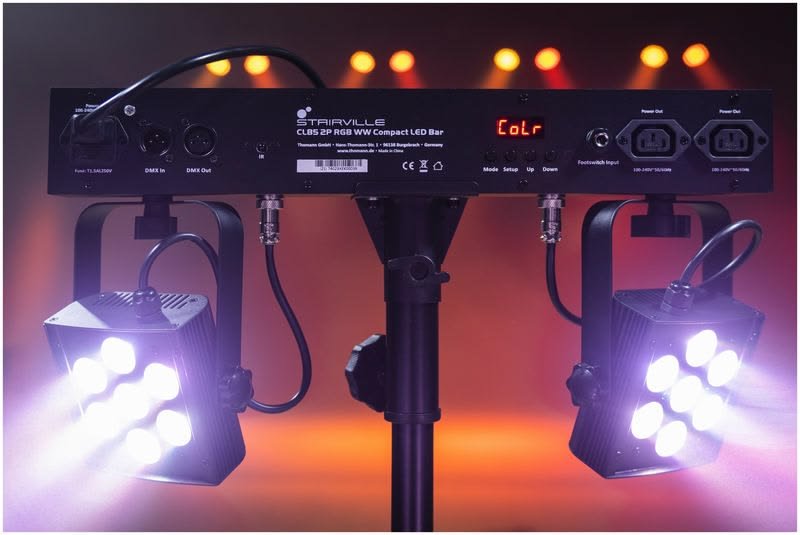
Wired DMX uses physical DMX cables to transmit control signals from a lighting console to lighting fixtures.
A typical wired system consists of:
- Lighting console
- DMX controller
- DMX cables
- Lighting fixtures
- DMX terminator
Fixtures are connected in a daisy-chain configuration, allowing commands to pass from one fixture to the next.
Because it uses dedicated cables, wired DMX is known for its stability and reliability.
What Is Wireless DMX?
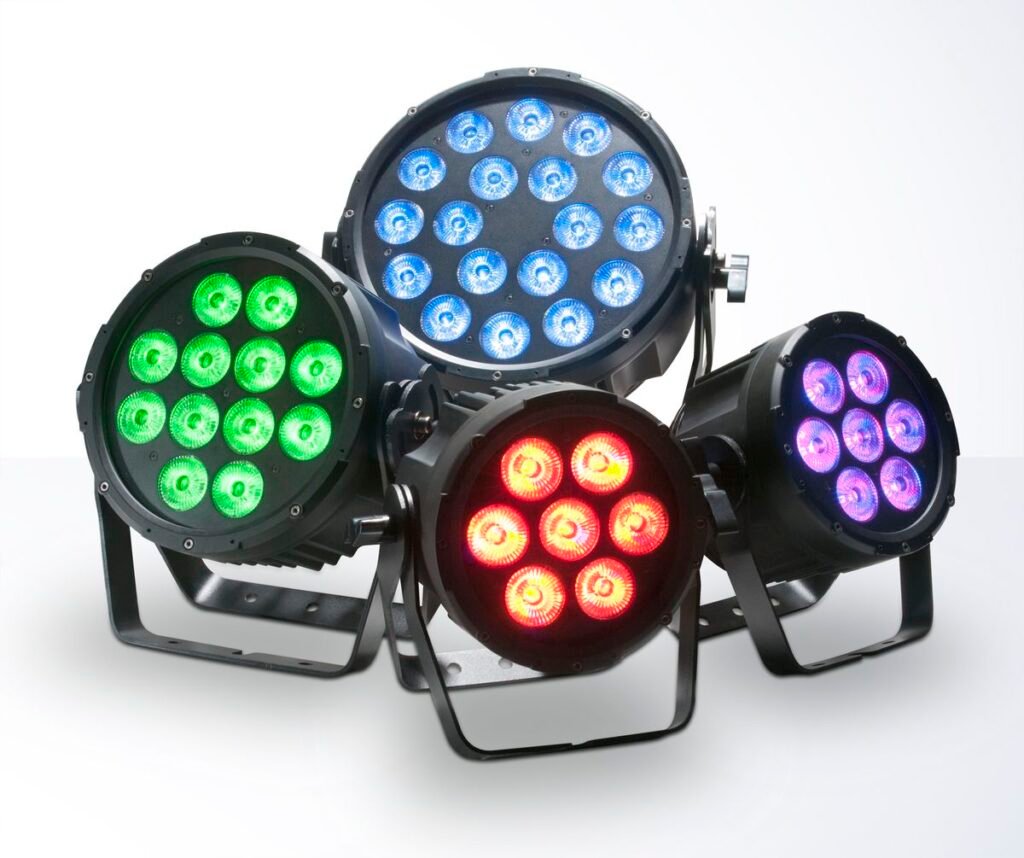
Wireless DMX eliminates physical signal cables by transmitting DMX data using radio frequency (RF) communication.
A Wireless DMX system typically includes:
- Wireless transmitter
- Wireless receiver
- Compatible lighting fixtures or external receivers
The lighting console sends DMX data to the transmitter, which broadcasts the signal wirelessly to connected fixtures.
This greatly reduces the amount of cabling required during installation.
Advantages of Wired DMX
Maximum Reliability
Wired connections are highly stable and are not affected by radio interference.
This makes wired DMX the preferred choice for:
- Theaters
- Television studios
- Permanent installations
- Broadcast environments
Consistent Signal Quality
Physical cables provide consistent communication, even in challenging environments.
Properly installed DMX networks rarely experience signal interruptions.
Lower Risk of Interference
Unlike wireless systems, wired DMX is not affected by:
- Wi-Fi networks
- Bluetooth devices
- Radio frequency congestion
Lower Equipment Costs
Traditional DMX systems generally require fewer specialized components, making them more affordable for many installations.
Advantages of Wireless DMX
Faster Installation
Wireless DMX eliminates long cable runs.
Setup becomes significantly faster, especially for temporary events.
Greater Flexibility
Fixtures can be placed without worrying about cable routing.
This is particularly useful for:
- Outdoor events
- Historic venues
- Temporary stages
- Exhibition halls
Cleaner Appearance
Removing signal cables creates a more organized and professional installation.
This also reduces potential trip hazards.
Easy System Expansion
Adding fixtures is often easier because new wireless receivers can join the network without installing additional DMX cables.
Disadvantages of Wired DMX
While highly reliable, wired systems have some limitations.
These include:
- Longer installation times
- Higher labor costs
- More cable management
- Less flexibility during layout changes
Large venues may require extensive cabling infrastructure.
Disadvantages of Wireless DMX
Wireless systems also have potential challenges.
These include:
Radio Interference
Wireless signals may be affected by:
- Wi-Fi routers
- Other RF equipment
- Building structures
- Crowded wireless environments
Battery Management
Portable wireless receivers may require battery charging or replacement.
Higher Equipment Costs
Wireless transmitters and receivers increase the initial investment.
Signal Range Limitations
Very large venues may require additional transmitters or signal repeaters.
Performance Comparison
Reliability
Winner: Wired DMX
For mission-critical productions, wired systems remain the most dependable option.
Installation Speed
Winner: Wireless DMX
Wireless systems dramatically reduce setup time.
Flexibility
Winner: Wireless DMX
Fixtures can be relocated easily without rerouting cables.
Cost
Winner: Wired DMX
Traditional systems generally have lower equipment costs.
Maintenance
Winner: Wireless DMX
Fewer cables mean fewer physical connections to inspect and maintain.
Which System Is Best for Different Applications?
Theaters
Wired DMX is typically preferred because of its stability and predictable performance.
Churches
Many churches use a combination of wired and wireless systems depending on fixture locations.
Concert Tours
Wireless DMX is popular because it reduces setup time and simplifies transportation.
Broadcast Studios
Wired DMX remains the industry standard for reliability.
Outdoor Events
Wireless DMX provides greater flexibility where cable routing is difficult.
Corporate Events
Both systems are widely used depending on venue size and production requirements.
Hybrid DMX Systems
Many professional venues combine both technologies.
A hybrid system may use:
- Wired DMX for permanent fixtures
- Wireless DMX for temporary lighting
- Wireless control for architectural lighting
- Wired connections for mission-critical fixtures
This approach offers both reliability and flexibility.
Best Practices for Wireless DMX
To maximize performance:
- Use professional-grade wireless equipment
- Maintain clear line-of-sight when possible
- Avoid crowded RF channels
- Test the system before every event
- Keep firmware updated
- Position antennas correctly
Proper planning greatly improves wireless reliability.
Future of DMX Control
Wireless technologies continue to improve.
Future developments are expected to include:
- Longer transmission distances
- Lower latency
- Improved security
- Better interference resistance
- Smarter network management
Although wireless systems will become increasingly capable, wired DMX will continue to play an important role in professional lighting installations.
Frequently Asked Questions
Is Wireless DMX reliable?
Yes. High-quality Wireless DMX systems are very reliable when installed correctly, although wired systems generally remain more dependable in high-interference environments.
Does Wireless DMX replace DMX cables?
Not completely. Many professional installations still rely on wired DMX for critical applications.
Can wired and wireless DMX work together?
Yes. Many venues use hybrid systems that combine both technologies.
Which is better for permanent installations?
Wired DMX is usually preferred because of its long-term stability and consistent performance.
Which is better for touring productions?
Wireless DMX is often preferred because it reduces setup time and simplifies cable management.
Conclusion
Both Wireless DMX and Wired DMX are excellent solutions for professional stage lighting, but each serves different needs. Wired DMX remains the gold standard for reliability, stability, and permanent installations, while Wireless DMX offers greater flexibility, faster setup, and easier expansion for temporary productions and touring events.
For many venues, the ideal solution is a hybrid approach that combines the dependable performance of wired connections with the convenience of wireless technology. By understanding the strengths and limitations of each system, you can choose the control solution that best supports your lighting design and operational requirements.