
Professional stage lighting is about much more than illuminating performers. Modern lighting fixtures can create patterns, textures, logos, and visual effects that enhance storytelling and transform ordinary venues into immersive environments. One of the most powerful tools used to achieve these effects is gobo projection.
Gobos are widely used in theaters, concerts, churches, television studios, corporate events, weddings, exhibitions, architectural lighting, and live entertainment. They allow lighting designers to project customized images, patterns, or branding onto stages, walls, floors, ceilings, and backdrops.
In this guide, we’ll explain what gobo projection is, how it works, the different types of gobos, and how to choose the right gobo lighting for your application.
What Is a Gobo?
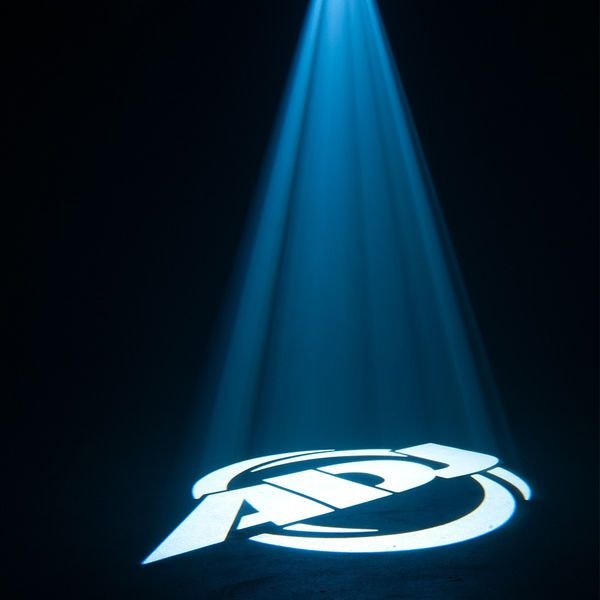
A gobo is a thin template or stencil that is placed inside a lighting fixture to shape the beam of light into a specific pattern or image.
When light passes through the gobo, the pattern is projected onto a surface.
Depending on the design, a gobo can project:
- Company logos
- Text
- Geometric patterns
- Window effects
- Tree branches
- Clouds
- Stars
- Abstract textures
- Decorative designs
Gobos allow lighting designers to create visual interest without requiring additional scenery or decorations.
How Gobo Projection Works
Inside a professional lighting fixture, the gobo is positioned between the light source and the projection lens.
The process works as follows:
- The light source generates a bright beam.
- The beam passes through the selected gobo.
- Projection lenses focus the image.
- The patterned light is projected onto the desired surface.
The sharpness of the projection depends on proper focus, projection distance, and the quality of the fixture’s optics.
Types of Gobos
Professional lighting systems generally use two types of gobos.
Metal Gobos
Metal gobos are made from thin sheets of stainless steel or other durable metals.
Advantages include:
- Long lifespan
- High durability
- Cost-effective
- Excellent for simple designs
Metal gobos are ideal for:
- Logos
- Letters
- Basic patterns
- Directional signs
Glass Gobos
Glass gobos use high-resolution printed or etched glass.
Advantages include:
- Intricate designs
- Fine details
- Multiple colors
- Photographic-quality images
Glass gobos are commonly used for:
- Corporate branding
- Weddings
- Special events
- Television productions
- Architectural lighting
Static vs Rotating Gobos
Static Gobos
Static gobos remain fixed during projection.
They are commonly used for:
- Company logos
- Stage branding
- Decorative backgrounds
- Permanent installations
Rotating Gobos
Rotating gobos slowly spin while projecting their pattern.
They create dynamic visual effects for:
- Concerts
- Nightclubs
- Live performances
- Event productions
Rotation speed and direction are typically controlled through DMX.
Which Lighting Fixtures Use Gobos?
Several professional lighting fixtures include built-in gobo wheels.
Moving Head Spot Lights
Moving head spot fixtures commonly feature rotating and interchangeable gobos.
Profile Spotlights
Profile fixtures use gobos to project precise shapes, textures, and branding.
Ellipsoidal Spotlights
These fixtures are widely used in theaters for projecting scenery and dramatic effects.
Architectural Lighting Fixtures
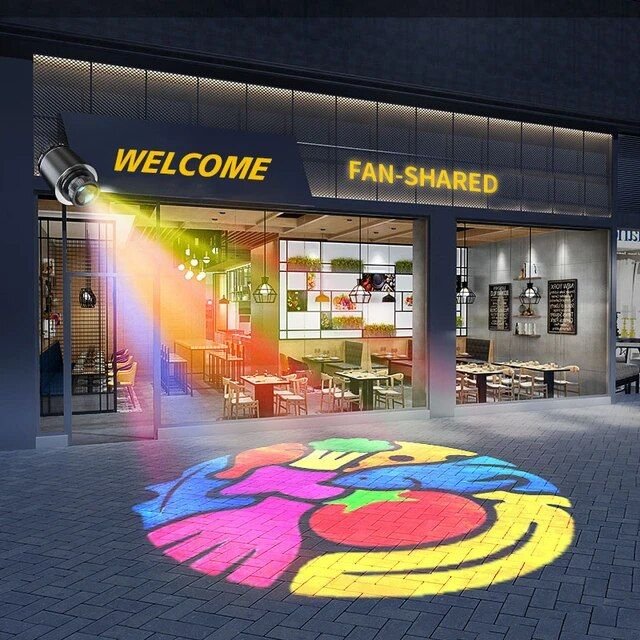
Many architectural projectors use gobos to illuminate buildings, landscapes, and event spaces.
Common Applications of Gobo Projection
Theater Productions
Gobos simulate windows, forests, clouds, moonlight, and architectural elements without building physical scenery.
Concert Lighting
Moving gobos create exciting visual effects synchronized with music.
Corporate Events
Companies project logos onto stages, walls, podiums, and exhibition booths.
Weddings
Custom gobos display:
- Couple names
- Monograms
- Decorative artwork
- Welcome messages
Churches
Gobos create subtle backgrounds and decorative lighting during worship services and special events.
Television Studios
Broadcast productions use gobos to add texture and depth to studio environments.
Advantages of Gobo Projection
Gobo lighting provides several important benefits.
Creative Flexibility
One fixture can project hundreds of different visual effects simply by changing gobos.
Professional Branding
Custom logo projection enhances brand visibility during conferences, product launches, and exhibitions.
Reduced Set Construction
Projected scenery often replaces expensive physical stage decorations.
Dynamic Visual Effects
Rotating gobos add movement and depth to live performances.
Cost-Effective Design
A relatively small investment can dramatically improve stage appearance.
Choosing the Right Gobo Fixture
When selecting a lighting fixture for gobo projection, consider:
- Projection distance
- Brightness
- Lens quality
- Focus capability
- Gobo wheel capacity
- Rotation features
- Zoom capability
- DMX control
Higher-quality optics produce sharper and brighter projections.
Best Practices for Gobo Projection
For the best results:
- Use high-quality gobos
- Keep projection lenses clean
- Focus the image carefully
- Match the fixture to the projection distance
- Avoid projecting onto uneven surfaces
- Test gobos before live events
Proper setup ensures clear and professional-looking projections.
Frequently Asked Questions
What is a gobo in stage lighting?
A gobo is a thin metal or glass template placed inside a lighting fixture to project patterns, logos, or images onto a surface.
What is gobo projection used for?
Gobo projection is used for stage effects, branding, decorative lighting, architectural illumination, theater scenery, concerts, and special events.
What’s the difference between metal and glass gobos?
Metal gobos are durable and ideal for simple designs, while glass gobos support intricate patterns, multiple colors, and detailed images.
Which lighting fixtures use gobos?
Moving head spot lights, profile spotlights, ellipsoidal fixtures, and architectural projectors commonly include gobo functionality.
Can gobos be controlled through DMX?
Yes. Most professional fixtures allow operators to control gobo selection, rotation, indexing, and speed through DMX512.
Conclusion
Gobo projection is one of the most versatile tools in professional stage lighting. By allowing lighting designers to project logos, textures, scenery, and creative effects, gobos add depth, atmosphere, and visual impact to virtually any production.
Whether you’re producing a concert, theater performance, corporate event, television broadcast, wedding, or church service, gobo-equipped lighting fixtures provide endless creative possibilities while reducing the need for expensive physical stage decorations. Investing in professional gobo lighting can significantly enhance both the artistic quality and versatility of your lighting system.