
Podcasting has evolved far beyond audio-only content. Today, many creators record video podcasts for platforms like YouTube, Spotify, and social media, making professional lighting an essential part of a successful studio setup. Whether you’re hosting solo episodes, interviewing guests, or live streaming your podcast, the right lighting improves video quality, enhances your brand image, and keeps viewers engaged.
Unlike stage or event lighting, podcast studio lighting should create a comfortable, natural, and consistent look while minimizing shadows and distractions. In this guide, we’ll cover the best lighting options for podcast studios, how to position your lights, and the key features to look for when choosing professional lighting equipment.
Why Good Lighting Matters for Podcast Studios
Lighting affects every aspect of your podcast’s visual quality.
Poor lighting can cause:
- Harsh facial shadows
- Uneven skin tones
- Dark or overexposed backgrounds
- Poor color accuracy
- Increased camera noise
- Unprofessional-looking videos
Well-designed lighting creates a polished appearance that helps your audience focus on the conversation.
Essential Podcast Lighting Equipment
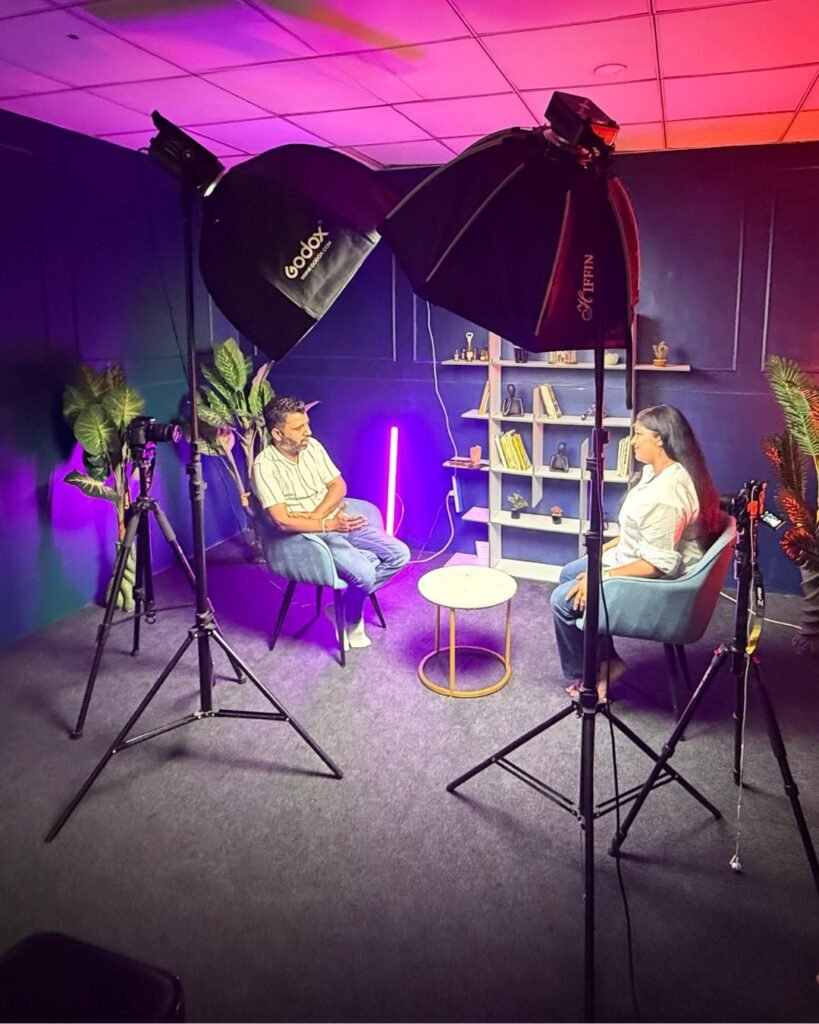
A professional podcast studio typically includes:
- LED flat panel lights
- Soft LED panel lights
- COB LED lights
- LED tube lights
- Softboxes
- Light stands
- Reflectors
- Background accent lights
LED lighting is the preferred choice because it offers continuous illumination, low heat output, silent operation, and excellent energy efficiency.
Use a Three-Point Lighting Setup
The three-point lighting method remains the industry standard for podcast production.
Key Light
The key light is the primary source of illumination and should be placed about 45 degrees from the camera and slightly above eye level.
Fill Light
A fill light softens shadows created by the key light while maintaining natural contrast.
It should be less intense than the key light.
Back Light (Hair Light)
The back light separates the host from the background, adding depth and making the scene appear more three-dimensional.
This setup works equally well for solo podcasts and multi-host productions.
Best LED Lights for Podcast Studios
LED Flat Panel Lights
LED flat panels provide soft, even illumination that flatters faces and minimizes harsh shadows.
They are ideal for:
- Solo podcasts
- Interview podcasts
- Educational content
- Live streaming
Soft LED Panel Lights
Soft LED panels produce diffused light that creates a natural, professional appearance during long recording sessions.
COB LED Lights
COB LED fixtures deliver higher output and work well with softboxes for creators who need greater lighting control or larger studio spaces.
RGBAL Studio Lights
RGBAL lights provide:
- Superior white light quality
- High color accuracy
- Adjustable color temperature
- Creative color effects
- Excellent camera performance
These fixtures are ideal for professional podcast studios that produce both video and photography content.
LED Tube Lights
Tube lights make excellent background or accent lights, adding depth and visual interest without distracting from the host.
High Color Accuracy Is Essential
Professional podcast lighting should provide:
- High CRI (95+)
- High TLCI ratings
- Consistent white balance
- Accurate skin tone reproduction
High-quality lighting ensures your videos look natural across different cameras and streaming platforms.
Match Color Temperature
Use a consistent color temperature throughout your studio.
Popular settings include:
- 5600K for daylight-balanced lighting
- 3200K for a warmer studio atmosphere
Avoid mixing different color temperatures, as this can create unnatural skin tones and inconsistent video quality.
Create an Engaging Background
A visually interesting background helps your podcast stand out.
Consider adding:
- RGB LED tube lights
- Shelving with decorative lighting
- Practical lamps
- Soft wall wash lighting
- Brand-colored accent lights
Background lighting should complement your content without becoming distracting.
Silent Lighting for Better Audio
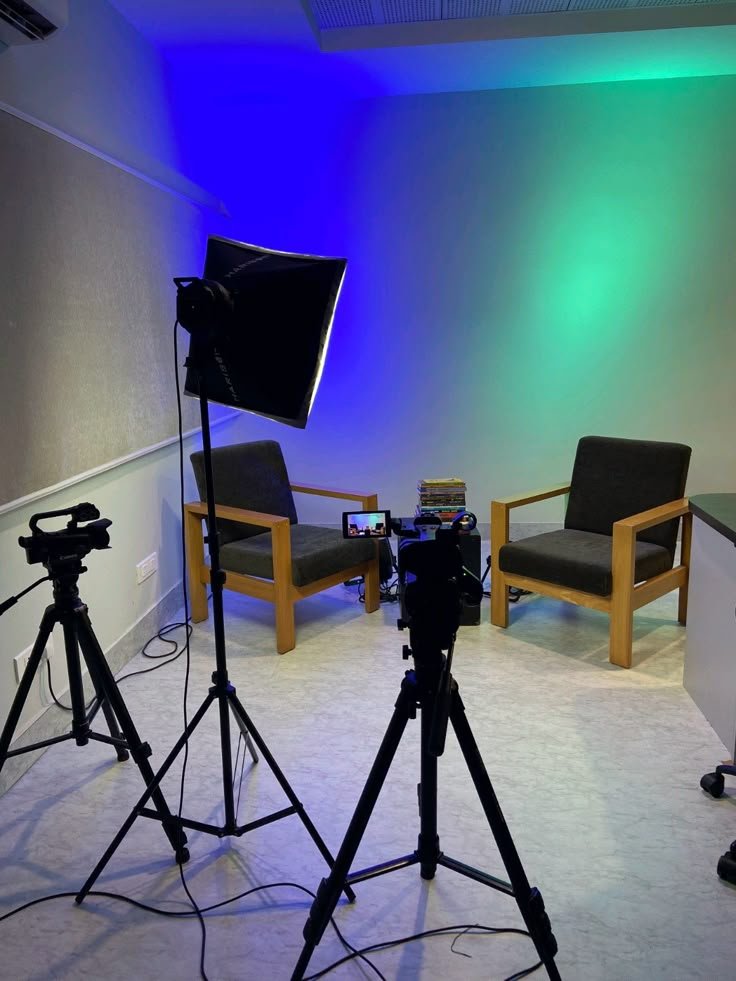
Since podcasts rely heavily on clear audio, choose lighting fixtures with:
- Fanless cooling
- Silent operation
- Low-noise power supplies
This prevents unwanted background noise from being captured by sensitive microphones.
Common Podcast Lighting Mistakes
Avoid these common errors:
- Using only overhead room lighting
- Positioning lights directly in front of the face
- Ignoring fill lighting
- Mixing different color temperatures
- Overusing RGB lighting
- Creating distracting background effects
- Choosing low-CRI fixtures
A balanced lighting setup creates a cleaner and more professional production.
Best Applications
Professional podcast lighting is ideal for:
- Video podcasts
- Interview podcasts
- Business podcasts
- Educational podcasts
- Live streaming
- Online courses
- YouTube channels
- Corporate communications
- Virtual events
A flexible lighting setup allows creators to produce high-quality content across multiple platforms.
Frequently Asked Questions
What is the best lighting for a podcast studio?
LED flat panel lights and soft LED panels are among the best choices because they provide soft, even illumination that flatters presenters and reduces harsh shadows.
Do I need three-point lighting for podcast videos?
Yes. Three-point lighting helps create balanced, professional-looking videos by combining a key light, fill light, and back light.
Should I use RGB lights in my podcast studio?
Yes, but mainly as background or accent lighting. Your primary lighting should remain high-quality white light for accurate skin tones.
What color temperature should I use?
Most podcast creators use 5600K daylight-balanced lighting, while some prefer 3200K for a warmer and more relaxed studio atmosphere.
Why are fanless lights recommended?
Fanless lights eliminate operational noise, making them ideal for podcast studios where microphones are highly sensitive.
Conclusion
Professional lighting plays a vital role in creating engaging, high-quality podcast videos. By using LED flat panels, COB LED lights, RGBAL fixtures, and a well-balanced three-point lighting setup, creators can produce polished content with natural skin tones, controlled shadows, and visually appealing backgrounds.
Whether you’re recording solo episodes, hosting interviews, or live streaming to your audience, investing in high-quality lighting equipment will enhance your production value, strengthen your brand, and deliver a better viewing experience across every platform.