
Live entertainment has evolved dramatically over the past decade, with audiences expecting immersive visual experiences at concerts, festivals, theaters, sporting events, corporate shows, and television productions. At the center of this transformation is intelligent lighting—a technology that combines advanced LED fixtures, automated movement, digital control, and smart programming to create dynamic lighting effects synchronized with music, video, and stage performances.
As LED technology, AI, wireless control, and automation continue to advance, intelligent lighting systems are becoming more powerful, energy-efficient, and easier to operate than ever before.
In this guide, we’ll explore the latest intelligent lighting trends shaping the future of live entertainment and explain how production companies, lighting designers, and venue operators are using these innovations to deliver unforgettable audience experiences.
What Is Intelligent Lighting?
Intelligent lighting refers to lighting fixtures that can automatically control functions such as:
- Pan and tilt movement
- Color mixing
- Beam shaping
- Motorized zoom
- Gobo projection
- Dimming
- Strobe effects
- Prism effects
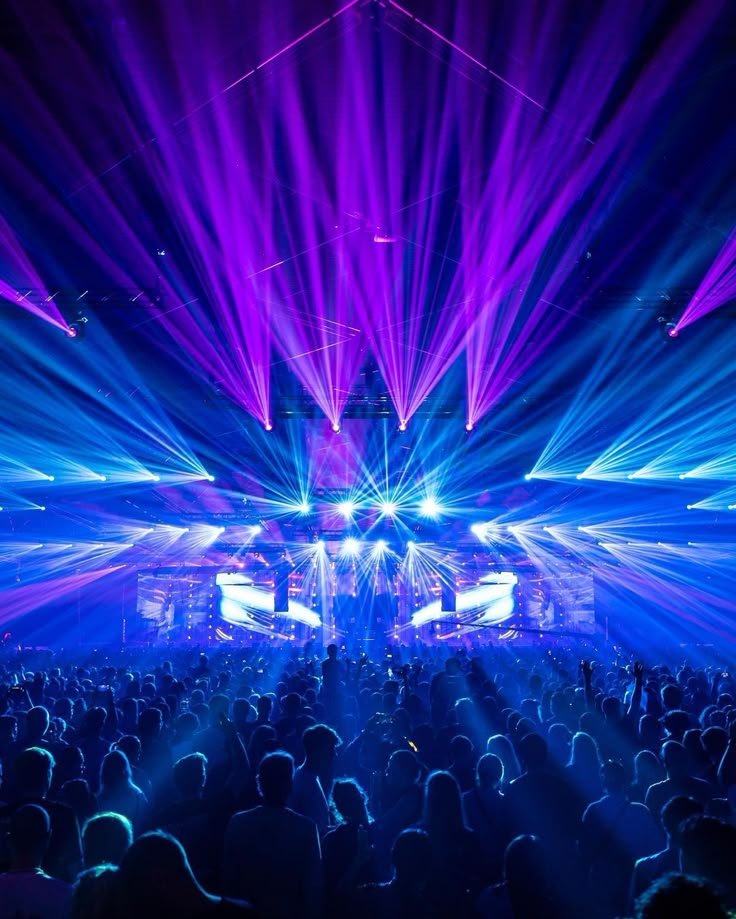
These fixtures communicate through lighting control protocols such as DMX512, Art-Net, and sACN, allowing operators to create complex lighting shows with precision and consistency.
Why Intelligent Lighting Is Growing
Modern entertainment productions demand lighting systems that are:
- Flexible
- Energy efficient
- Easy to program
- Highly reliable
- Capable of producing dynamic visual effects
- Compatible with video and multimedia systems
Intelligent lighting meets these requirements while reducing setup time and increasing creative possibilities.
Trend 1: LED-Based Intelligent Fixtures
LED technology has become the standard light source for intelligent fixtures.
Benefits include:
- Lower power consumption
- Longer lifespan
- Reduced heat generation
- Instant brightness adjustment
- Excellent color consistency
- Lower maintenance costs
LED moving head lights are replacing traditional discharge and halogen fixtures across the entertainment industry.
Trend 2: RGBAL and Advanced Color Mixing
Modern intelligent fixtures increasingly use RGBAL and other multi-color LED engines instead of standard RGB systems.
Advantages include:
- More accurate white light
- Smoother color transitions
- Expanded color gamut
- Better skin tone reproduction
- Improved camera performance
These features are especially valuable for concerts, broadcast events, and hybrid live productions.
Trend 3: AI-Assisted Lighting Control
Artificial intelligence is beginning to simplify lighting design by assisting with:
- Automatic fixture positioning
- Intelligent color selection
- Scene optimization
- Beat synchronization
- Exposure balancing
- Automated lighting presets
AI helps designers reduce programming time while maintaining creative flexibility.
Trend 4: Wireless DMX Systems
Wireless DMX technology continues to gain popularity because it:
- Eliminates long cable runs
- Speeds up installation
- Improves flexibility
- Simplifies temporary event setups
- Reduces trip hazards
Wireless systems are particularly useful for festivals, outdoor events, exhibitions, and touring productions.
Trend 5: Motorized Zoom Technology
Many intelligent fixtures now feature motorized zoom, allowing operators to adjust beam angles remotely without changing lenses.
Benefits include:
- Greater versatility
- Faster programming
- Improved beam control
- Reduced equipment requirements
Motorized zoom enables a single fixture to function as both a narrow spotlight and a wide wash light.
Trend 6: Pixel Mapping
Pixel mapping gives designers precise control over individual LED pixels within lighting fixtures.
Applications include:
- Animated lighting effects
- Video-style graphics
- Dynamic color transitions
- Interactive stage designs
- Concert visuals
This technology has become increasingly common in large-scale concerts and television productions.
Trend 7: Integration with Video Systems
Lighting systems now integrate seamlessly with:
- LED video walls
- Projection mapping
- Media servers
- Virtual production
- Broadcast graphics
This synchronization creates immersive experiences where lighting and video operate as a unified visual system.
Trend 8: Sustainable Lighting Solutions
Environmental sustainability has become a major focus in live entertainment.
Modern intelligent lighting systems reduce environmental impact through:
- LED technology
- Lower energy consumption
- Fanless cooling options
- Longer fixture lifespan
- Reduced maintenance
- Lower carbon emissions
These improvements help venues lower operating costs while supporting sustainability goals.
Trend 9: Cloud-Based Lighting Management
Some manufacturers now offer cloud-enabled lighting systems that allow technicians to:
- Monitor fixtures remotely
- Update firmware
- Diagnose faults
- Store lighting presets
- Manage multiple venues
Cloud connectivity simplifies maintenance and improves operational efficiency.
Trend 10: Smarter Fixture Diagnostics
Modern intelligent fixtures include built-in monitoring systems that track:
- Temperature
- Power consumption
- Fan performance
- LED lifespan
- Operating hours
- Error reporting
Predictive maintenance helps reduce downtime during live events.
Choosing Intelligent Lighting for Live Entertainment
When selecting intelligent lighting fixtures, consider:
- LED light source
- High CRI and TLCI ratings
- Motorized zoom
- RGBAL color engine
- DMX512 compatibility
- Wireless DMX support
- Silent or efficient cooling
- IP-rated protection for outdoor events
- Reliable manufacturer support
Selecting fixtures with these features provides greater flexibility and long-term value.
Frequently Asked Questions
What is intelligent lighting?
Intelligent lighting refers to automated lighting fixtures that can remotely control movement, color, beam angle, brightness, gobos, and visual effects through digital lighting control systems.
Why is LED technology replacing traditional lighting?
LED fixtures consume less energy, generate less heat, last much longer, and offer superior color control compared to traditional lighting technologies.
Is AI replacing lighting designers?
No. AI is designed to assist lighting professionals by automating repetitive tasks and optimizing workflows, while creative decisions remain in the hands of designers.
Why is wireless DMX becoming more popular?
Wireless DMX simplifies installation, reduces cable requirements, increases flexibility, and speeds up setup for temporary productions and touring events.
What is the future of intelligent lighting?
The future includes AI-assisted programming, cloud-based management, improved wireless control, advanced RGBAL color engines, sustainable LED technology, and deeper integration with video and virtual production systems.
Conclusion
Intelligent lighting is transforming live entertainment by combining automation, LED innovation, wireless communication, AI-assisted control, and advanced color technology into highly flexible lighting systems. These advancements allow designers to create immersive visual experiences while improving efficiency, reducing energy consumption, and simplifying production workflows.
Whether you’re designing a concert stage, theater production, television studio, corporate event, or festival, investing in modern intelligent lighting solutions ensures your productions remain visually impressive, reliable, and ready for the future of live entertainment.