
Color is one of the most powerful elements in professional stage lighting. Whether you’re illuminating a concert stage, theater, church, television studio, corporate event, or architectural installation, the quality and flexibility of your lighting colors can dramatically affect the audience’s experience.
Modern LED stage lights use different color-mixing technologies to produce millions of colors and shades. The most common systems are RGB, RGBW, RGBA, and RGBAL. While they may look similar at first glance, each offers unique advantages depending on the application.
In this guide, we’ll explain how each color system works, compare their strengths and weaknesses, and help you choose the right lighting solution for your venue.
Understanding LED Color Mixing
LED fixtures create different colors by combining multiple colored LEDs.
Each letter in the lighting specification represents a different LED color:
- R = Red
- G = Green
- B = Blue
- W = White
- A = Amber
- L = Lime
By adjusting the brightness of each LED, lighting fixtures can generate a wide range of colors and color temperatures.
What Is RGB Lighting?
RGB is the most basic and widely used LED color-mixing system.
It combines:
- Red
- Green
- Blue
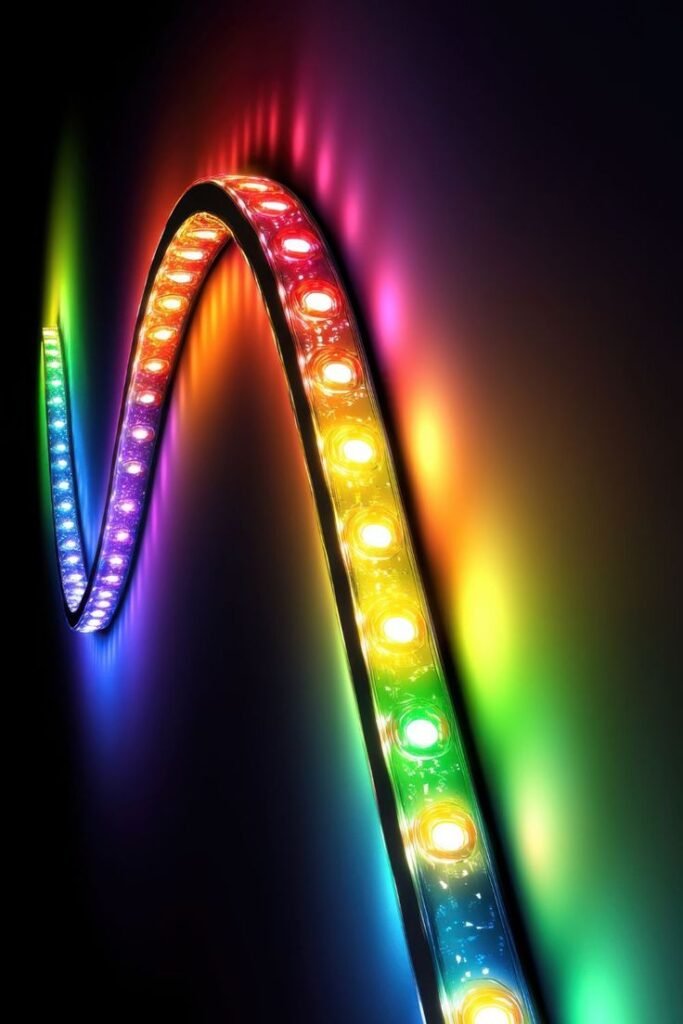
By blending these three colors, RGB fixtures can create millions of different color combinations.
Advantages of RGB
- Affordable
- Vibrant colors
- Simple programming
- Excellent for decorative lighting
- Suitable for concerts and entertainment
Limitations of RGB
- White light is created by mixing red, green, and blue LEDs rather than using a dedicated white LED.
- White output may appear slightly blue or less natural.
- Limited color accuracy for professional video and photography.
What Is RGBW Lighting?
RGBW adds a dedicated White LED to the standard RGB system.
This allows fixtures to produce:
- Pure white light
- Rich saturated colors
- Better pastel tones
- Improved color consistency
Advantages of RGBW
- Excellent white light
- Better color blending
- Greater versatility
- Improved stage illumination
- Better performance for television and live events
Common Applications
RGBW fixtures are popular for:
- Churches
- Corporate events
- Theaters
- Broadcast studios
- Concert venues
What Is RGBA Lighting?
RGBA adds an Amber LED to the RGB color system.
The amber LED improves warm color reproduction and expands the fixture’s color palette.
Advantages of RGBA
- More natural warm tones
- Better skin tone rendering
- Enhanced sunset colors
- Richer gold and orange effects
- Improved theatrical lighting
Best Applications
RGBA fixtures perform particularly well in:
- Theater productions
- Houses of worship
- Wedding venues
- Stage performances
- Architectural lighting

What Is RGBAL Lighting?
RGBAL combines:
- Red
- Green
- Blue
- Amber
- Lime
This advanced color engine offers one of the widest color gamuts available in professional LED lighting.
The addition of Lime improves:
- White light quality
- Color accuracy
- Brightness
- Smooth color transitions
- Camera-friendly illumination
RGBAL technology is increasingly found in high-end professional fixtures.
Advantages of RGBAL
Superior White Light
RGBAL fixtures generate highly accurate white light across a wide range of color temperatures.
Expanded Color Gamut
More LED colors allow the fixture to reproduce colors that are difficult for RGB systems.
Excellent Color Rendering
RGBAL fixtures often achieve very high CRI and TLCI ratings.
Better Camera Performance
They provide more consistent color for:
- Television
- Film production
- Photography
- Live streaming
RGB vs RGBW vs RGBA vs RGBAL Comparison
Color Quality
Winner: RGBAL
The additional Lime LED greatly expands the available color range.
White Light Performance
Winner: RGBAL
RGBAL produces the cleanest and most natural white light.
Warm Color Reproduction
Winner: RGBA
Amber LEDs produce beautiful warm tones.
Budget-Friendly Option
Winner: RGB
RGB fixtures remain the most affordable solution.
Broadcast Applications
Winner: RGBAL
Its superior color accuracy makes it ideal for cameras.
Which Color System Is Best for Different Applications?
Concert Lighting
RGB and RGBW fixtures provide vibrant colors and exciting visual effects.
Theater Lighting
RGBA and RGBAL deliver richer warm tones for dramatic productions.
Church Stage Lighting
RGBW and RGBAL provide both colorful effects and natural white light.
Television Studios
RGBAL fixtures offer the most accurate colors for broadcast cameras.
Corporate Events
RGBW fixtures provide excellent flexibility for presentations and branding.
Film Production
RGBAL is often preferred because of its outstanding color rendering and adjustable white light.
Choosing the Right LED Color System
When selecting professional stage lighting, consider:
- Venue type
- Production requirements
- White light quality
- Color accuracy
- Camera usage
- Budget
- Control system compatibility
For venues that frequently host video productions or broadcasts, investing in RGBAL fixtures may provide the best long-term value.
For general entertainment lighting, RGBW often offers the ideal balance between performance and cost.
Frequently Asked Questions
What is RGB lighting?
RGB lighting combines red, green, and blue LEDs to create millions of colors.
Why is RGBW better than RGB?
RGBW includes a dedicated white LED, producing cleaner white light and better overall color performance.
What does the Amber LED do in RGBA?
Amber LEDs improve warm color reproduction, creating richer gold, orange, and sunset tones.
Why is Lime added to RGBAL?
The Lime LED expands the fixture’s color gamut, improves white light quality, and enhances color accuracy for cameras.
Which color system is best?
The best choice depends on your application. RGB is ideal for budget-friendly effects, RGBW offers excellent versatility, RGBA enhances warm colors, and RGBAL delivers the highest overall color quality for professional productions.
Conclusion
Choosing between RGB, RGBW, RGBA, and RGBAL stage lights depends on the type of productions you create and the level of color accuracy you require. RGB remains an affordable solution for colorful stage effects, while RGBW adds cleaner white light for greater versatility. RGBA excels at producing warm, natural tones, making it ideal for theatrical and worship environments, and RGBAL represents the latest generation of LED color mixing with exceptional color quality, high CRI, and outstanding camera performance.
By understanding these color systems, you can invest in professional lighting equipment that delivers the visual performance your venue, audience, and productions demand.