
Shadows are a natural part of lighting, but when they are too harsh or poorly positioned, they can distract viewers and reduce the overall quality of your video. Whether you’re filming interviews, YouTube content, corporate videos, commercials, live streams, or broadcast productions, controlling shadows is essential for achieving a clean and professional look.
The goal isn’t to eliminate every shadow—shadows add depth and dimension—but to soften and control them so your subject looks natural on camera. With the right lighting techniques and equipment, you can create balanced, flattering lighting in almost any production environment.
In this guide, you’ll learn the best ways to reduce shadows in video lighting and improve the overall quality of your productions.
Why Do Harsh Shadows Appear?
Shadows become harsh when a light source is too small, too bright, or positioned incorrectly.
Common causes include:
- Using a single light source
- Small, undiffused lights
- Incorrect light placement
- Lighting positioned too close to the subject
- Strong overhead lighting
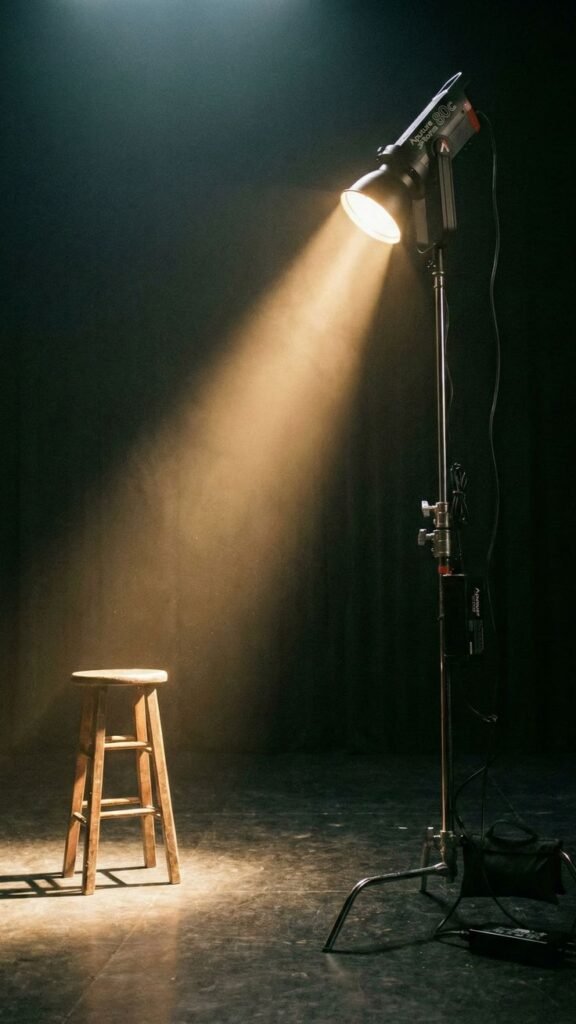
- Hard spotlights without modifiers
Understanding the cause is the first step toward fixing unwanted shadows.
Use a Three-Point Lighting Setup
The most effective way to reduce harsh shadows is by using a traditional three-point lighting setup.
This includes:
Key Light
The primary light source that illuminates your subject.
Fill Light
The fill light softens the shadows created by the key light without removing them entirely.
Back Light
A back light separates the subject from the background, adding depth and preventing a flat appearance.
This setup creates balanced and natural-looking video lighting.
Use Larger Soft Light Sources
Large light sources produce softer shadows because the light wraps more evenly around the subject.
Good options include:
- LED flat panel lights
- Soft LED panels
- Softboxes
- Diffusion panels
These fixtures create smooth illumination that is ideal for video production.
Add a Fill Light
A fill light is specifically designed to reduce shadows.
Position it:
- Opposite the key light
- At lower brightness
- Slightly closer to the camera
The fill light should soften shadows while maintaining natural contrast.
Diffuse Your Lighting
Diffusion spreads light over a larger area, creating softer transitions between light and shadow.
Popular diffusion methods include:
- Softboxes
- Diffusion fabric
- Umbrella reflectors
- Frost filters
Professional productions almost always use some form of diffusion.
Reposition Your Lights
Sometimes shadows can be reduced simply by adjusting the angle of your lights.
General recommendations include:
- Raise lights slightly above eye level
- Position key lights at approximately 45 degrees
- Avoid direct front lighting
- Test different lighting angles before filming
Small adjustments often make a significant difference.
Bounce Light Instead of Direct Lighting
Reflecting light from a white surface creates a much softer effect than pointing the light directly at the subject.
Common bounce surfaces include:
- White foam boards
- Reflectors
- White walls
- Ceiling bounce
Bounced light creates natural-looking illumination with minimal harsh shadows.
Control Background Shadows
Subjects standing too close to a wall often create distracting background shadows.
To reduce this:
- Increase the distance between the subject and the background.
- Use a separate background light.
- Add a back light for better subject separation.
These techniques create a cleaner and more professional image.
Match Color Temperature
Mixed lighting sources can exaggerate shadows and produce unnatural-looking footage.
Use fixtures with matching color temperatures, such as:
- 3200K for tungsten-style lighting
- 5600K for daylight-balanced lighting
Maintaining consistent color temperature improves the overall appearance of your scene.
Choose High-Quality Lighting Fixtures
Professional lighting fixtures provide smoother and more consistent illumination.
Look for features such as:
- High CRI (95+)
- High TLCI ratings
- Flicker-free performance
- Adjustable brightness
- Adjustable color temperature
Higher-quality fixtures make shadow control much easier.
Common Shadow Reduction Mistakes
Avoid these common lighting errors:
- Using only one light
- Placing the key light too low
- Making the fill light as bright as the key light
- Ignoring background lighting
- Mixing different color temperatures
- Using hard spotlights without diffusion
Careful planning produces more natural-looking results.
Best Lighting Equipment for Soft Shadows
Professional productions commonly use:
- LED flat panel lights
- Soft LED panels
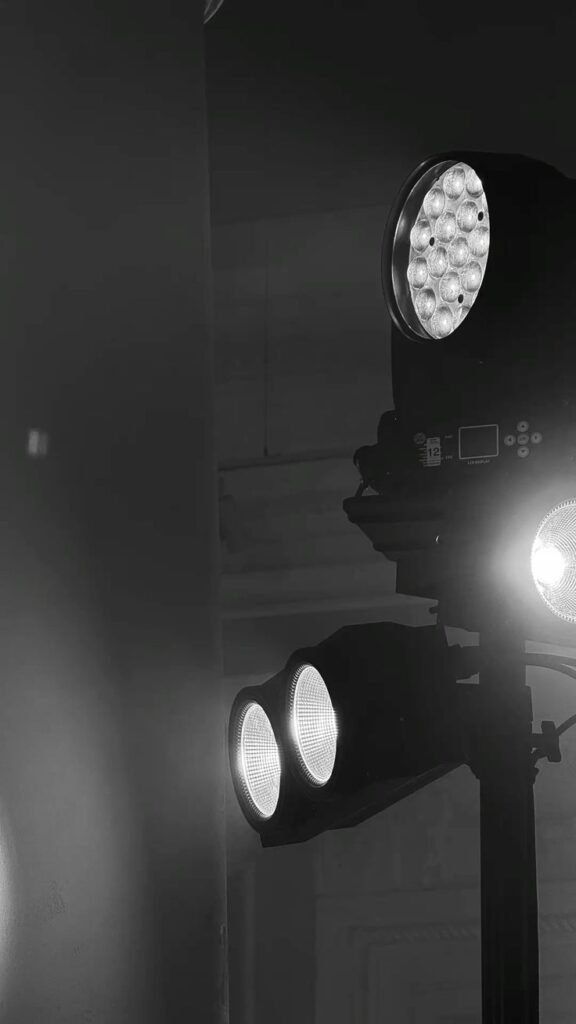
- RGBAL studio lights
- Softboxes
- Reflectors
- Diffusion frames
- Fresnel lights with diffusion
These tools help create flattering, camera-friendly lighting.
Frequently Asked Questions
What causes harsh shadows in video lighting?
Harsh shadows are usually caused by small, undiffused light sources, incorrect light placement, or using only a single light.
How do professionals reduce shadows?
Professionals use three-point lighting, fill lights, softboxes, reflectors, and diffusion to soften shadows while maintaining natural depth.
Should I eliminate all shadows?
No. Some shadows are necessary to create dimension and make subjects appear natural. The goal is to soften harsh shadows rather than remove them completely.
Are LED panel lights good for reducing shadows?
Yes. LED flat panel lights and soft LED panels produce broad, even illumination that helps minimize harsh shadows.
Does light placement matter?
Absolutely. Even the best lighting equipment can produce poor results if positioned incorrectly. Proper placement is just as important as the fixtures themselves.
Conclusion
Reducing shadows in video lighting is about creating balance rather than eliminating contrast. By using three-point lighting, adding a properly positioned fill light, choosing larger and softer light sources, applying diffusion, and carefully adjusting light placement, you can achieve professional-quality results in almost any production environment.
Whether you’re filming YouTube videos, interviews, corporate presentations, commercials, or broadcast productions, investing in high-quality lighting equipment and applying proven lighting techniques will help you create cleaner, more flattering, and visually engaging content.