
Theatre lighting is far more than illuminating a stage. It is a storytelling tool that helps communicate emotion, establish mood, direct audience attention, define time and place, and enhance the overall visual experience.
A well-designed lighting system can transform a simple stage into a believable world, supporting actors, scenery, costumes, and the narrative itself. Whether you’re designing for a community theater, school production, professional venue, or large performing arts center, understanding core theatre lighting principles is essential.
In this guide, we’ll explore the fundamental theatre lighting design principles every designer should know.
What Is Theatre Lighting Design?
Theatre lighting design is the process of planning and controlling stage lighting to support a dramatic production.
A lighting designer is responsible for:
- Enhancing visibility
- Supporting storytelling
- Creating mood
- Directing focus
- Reinforcing scenic design
- Supporting character development
Every lighting decision should serve the story being told on stage.
Principle 1: Visibility Comes First
Before creating dramatic effects, audiences must be able to clearly see performers.
Visibility remains the foundation of all theatre lighting.
Good visibility helps audiences:
- See facial expressions
- Follow stage action
- Understand character interactions
- Connect emotionally with performances
Without proper visibility, even the strongest performance can lose impact.
Principle 2: Direct Audience Focus
Lighting helps tell audiences where to look.
The human eye naturally moves toward the brightest area within a scene.
Designers use lighting to highlight:
- Main characters
- Important actions
- Key scenic elements
- Dramatic moments
Effective focus prevents visual confusion and strengthens storytelling.
Principle 3: Create Mood and Atmosphere
Lighting is one of the most powerful tools for creating emotion.
Different lighting choices can dramatically alter audience perception.
Examples include:
Warm Lighting
Creates feelings of:
- Comfort
- Romance
- Nostalgia
- Intimacy
Cool Lighting
Suggests:
- Tension
- Mystery
- Isolation
- Nighttime settings
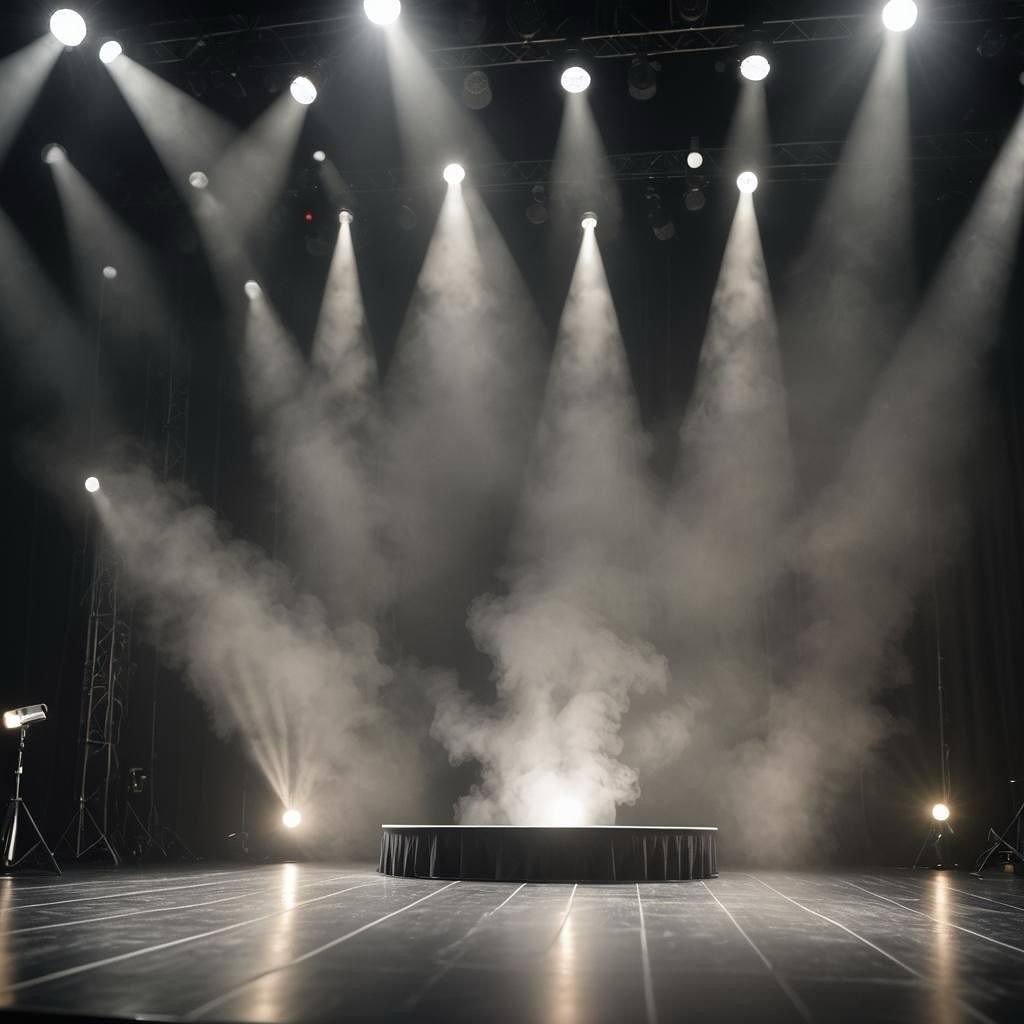
High Contrast Lighting
Creates:
- Drama
- Suspense
- Conflict
Mood is often established before a single line is spoken.
Principle 4: Support the Story
Every lighting cue should contribute to the narrative.
Lighting can communicate:
- Time of day
- Location
- Weather
- Emotional shifts
- Scene transitions
For example:
A warm sunrise look creates a completely different emotional response than a cold moonlit scene.
The best theatre lighting always serves the story rather than distracting from it.
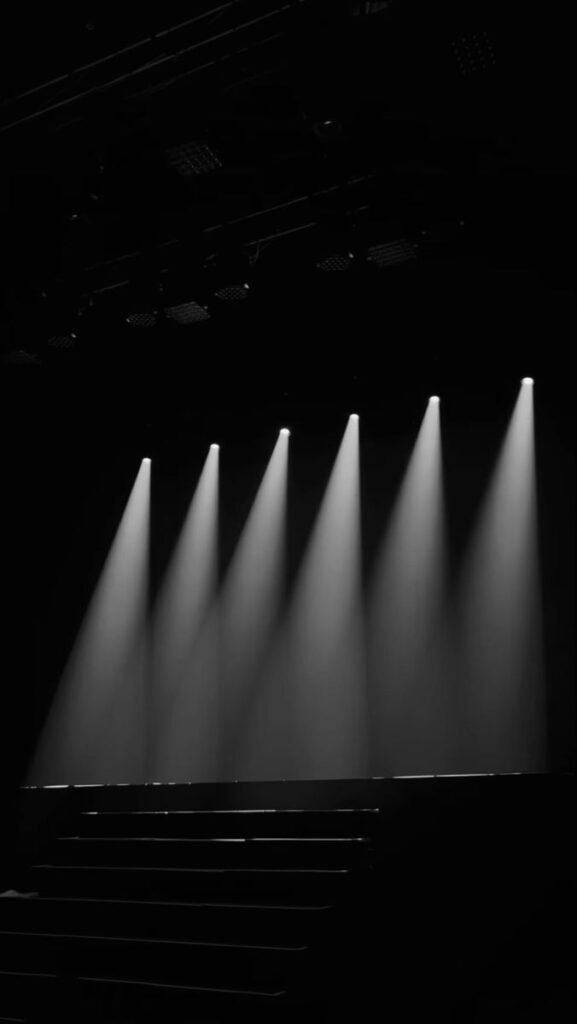
Principle 5: Use the Four Primary Lighting Angles
Lighting angle dramatically affects how performers appear on stage.
Front Lighting
Provides:
- Visibility
- Facial illumination
- Audience connection
Side Lighting
Enhances:
- Body movement
- Depth
- Texture
Often used in dance productions.
Back Lighting
Creates:
- Separation
- Dimension
- Dramatic silhouettes
Top Lighting
Adds:
- Shape
- Focus
- Mood
Professional designs typically combine multiple angles.
Principle 6: Achieve Balance and Composition
Lighting should create a visually balanced stage picture.
Designers must consider:
- Brightness distribution
- Color balance
- Visual weight
- Scenic composition
Uneven lighting can distract audiences and reduce production quality.
A balanced design feels natural and intentional.
Principle 7: Understand Color Psychology
Color has a significant impact on audience emotion.
Amber and Warm Tones
Commonly represent:
- Sunlight
- Warmth
- Comfort
Blue Tones
Often suggest:
- Night
- Isolation
- Calmness
Red Tones
May represent:
- Passion
- Danger
- Conflict
Green Tones
Can suggest:
- Nature
- Unease
- Fantasy
Color choices should align with the production’s artistic goals.
Principle 8: Use Contrast Effectively
Contrast creates visual interest.
Designers use contrast through:
- Bright versus dark areas
- Warm versus cool colors
- Sharp versus soft focus
Contrast helps define important moments and strengthen dramatic impact.
Without contrast, scenes may appear flat and lifeless.
Principle 9: Control Intensity Carefully
Intensity refers to fixture brightness.
Too much intensity can:
- Wash out scenery
- Reduce mood
- Create discomfort
Too little intensity can:
- Reduce visibility
- Hide important details
Successful designers carefully balance brightness throughout the performance.
Principle 10: Create Depth on Stage
Depth helps prevent the stage from appearing flat.
Methods include:
- Back lighting
- Side lighting
- Layered color washes
- Foreground and background separation
Depth creates a more immersive theatrical experience.
Principle 11: Design Smooth Transitions
Scene transitions are a critical part of theatre lighting.
Transitions should support:
- Story pacing
- Emotional changes
- Scene changes
- Time progression
Poorly timed transitions can distract audiences and interrupt immersion.
Principle 12: Collaborate with the Production Team
Theatre lighting does not exist in isolation.
Lighting designers must work closely with:
- Directors
- Scenic designers
- Costume designers
- Sound designers
- Stage managers
Collaboration ensures a unified artistic vision.
Principle 13: Prioritize Consistency
Consistency helps maintain professionalism.
Designers should ensure:
- Repeatable cues
- Reliable programming
- Consistent color rendering
- Predictable fixture performance
Consistency is especially important during long production runs.
Principle 14: Embrace Modern Lighting Technology
Today’s theatres increasingly use LED lighting systems.
Benefits include:
- Lower power consumption
- Flexible color control
- Reduced maintenance
- Longer fixture lifespan
Modern productions also benefit from intelligent fixtures and advanced control systems.
Common Theatre Lighting Mistakes
Overlighting the Stage
Excessive brightness can eliminate mood and atmosphere.
Using Too Many Colors
Overly complex color palettes may distract audiences.
Ignoring Focus
Poor focus weakens storytelling.
Inconsistent Cue Timing
Mistimed cues reduce immersion.
Overusing Effects
Effects should support the story, not dominate it.
Essential Fixtures Used in Theatre Lighting
Many theatre productions utilize:
- Fresnel lights
- Profile spotlights
- Follow spot lights
- LED PAR lights
- Moving head spot lights
- Cyclorama lights
- Footlights
Each fixture serves a unique purpose within the overall design.
Frequently Asked Questions
What is the most important principle in theatre lighting?
Visibility is the foundation of effective theatre lighting, but every lighting decision should ultimately support the story.
Why is lighting important in theatre?
Lighting enhances visibility, establishes mood, directs focus, and supports storytelling.
What colors are commonly used in theatre lighting?
Warm ambers, cool blues, reds, greens, and neutral whites are commonly used depending on the production’s artistic needs.
What lighting fixtures are used in theaters?
Common fixtures include Fresnels, profile spotlights, follow spots, LED PAR lights, and intelligent moving lights.
Do modern theaters use LED lighting?
Yes. LED technology has become increasingly popular because of its flexibility, efficiency, and low maintenance requirements.
Conclusion
Theatre lighting is both a technical discipline and an artistic craft. Successful lighting designers understand how visibility, focus, color, intensity, composition, and storytelling work together to support a production.
By mastering these fundamental principles, designers can create engaging visual experiences that strengthen performances, enhance audience immersion, and bring theatrical stories to life in powerful and memorable ways.