
Professional stage lighting systems are essential for concerts, theatres, churches, television studios, conference venues, rental companies, and touring productions. Like any high-performance equipment, lighting fixtures require routine preventive maintenance to ensure reliable operation, maximize lifespan, and minimize unexpected failures during live events.
Preventive maintenance is far more cost-effective than emergency repairs. By regularly inspecting, cleaning, testing, and servicing your lighting equipment, you can reduce downtime, improve safety, maintain consistent light output, and extend the life of your investment.
This comprehensive preventive maintenance checklist outlines the key tasks every lighting professional should perform to keep a stage lighting system operating at peak performance.
Why Preventive Maintenance Is Important
Routine maintenance provides several important benefits:
- Extend equipment lifespan
- Reduce repair costs
- Prevent unexpected failures
- Maintain consistent brightness
- Improve color accuracy
- Increase cooling efficiency
- Enhance electrical safety
- Reduce event downtime
A structured maintenance schedule also helps identify small issues before they become expensive problems.
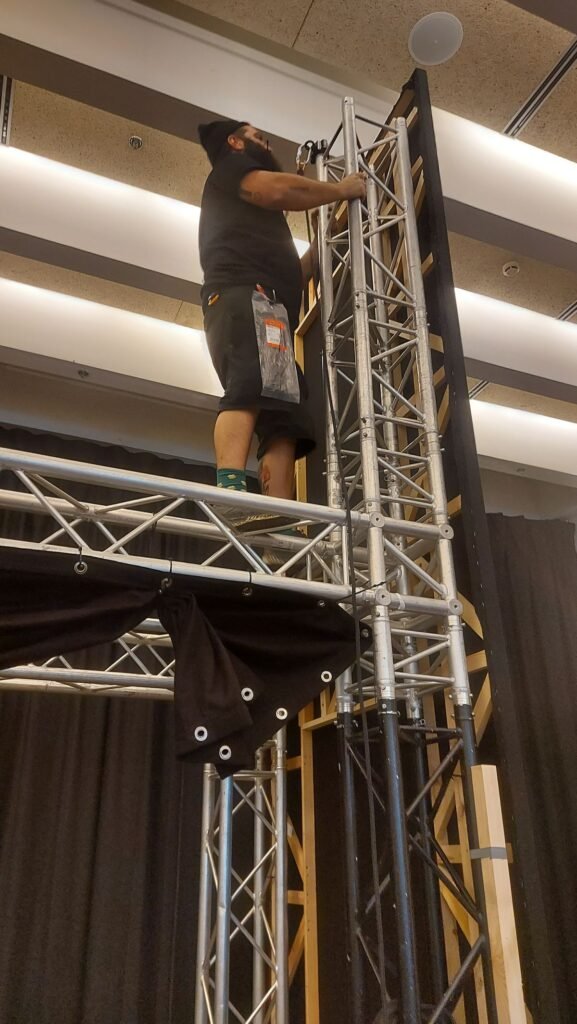
Daily Checklist (Before Every Event)
Before every production, inspect all equipment for obvious problems.
Visual Inspection
- Inspect fixture housings for damage.
- Check mounting brackets and clamps.
- Verify safety cables are properly installed.
- Look for loose screws or missing hardware.
- Check lenses for cracks or scratches.
Power Inspection
- Verify all power cables are secure.
- Inspect power connectors for damage.
- Check extension cables.
- Confirm proper grounding.
- Test power distribution units.
DMX & Network Inspection
- Check DMX cables for damage.
- Verify DMX addresses.
- Test wireless DMX connections (if used).
- Confirm Art-Net or sACN network communication.
- Inspect Ethernet cables.
Operational Test
Power on every fixture and confirm:
- LED output
- Pan movement
- Tilt movement
- Color mixing
- Gobo rotation
- Zoom
- Focus
- Prism effects
- Dimming
- Strobe functions
Any abnormal behavior should be investigated before the show begins.
Weekly Maintenance Checklist
For frequently used lighting systems, perform these inspections weekly.
Clean Exterior Surfaces
- Remove dust from housings.
- Wipe lenses with approved optical cleaners.
- Remove fingerprints.
- Clean ventilation openings.
Cooling System
- Inspect cooling fans.
- Check for unusual fan noise.
- Remove dust from air vents.
- Verify proper airflow.
Cable Inspection
- Check cable insulation.
- Replace damaged connectors.
- Inspect DMX pins.
- Test locking connectors.
Monthly Maintenance Checklist
A more detailed inspection should be performed each month.
Fixture Performance
Compare fixtures for:
- Brightness consistency
- Color accuracy
- White balance
- Beam quality
- Motor accuracy
Significant differences may indicate component wear.
Mechanical Inspection
Check:
- Pan movement
- Tilt movement
- Motor operation
- Drive belts
- Bearings
- Mounting hardware
Listen for grinding, clicking, or excessive vibration.
Optical Inspection
Inspect:
- Front lenses
- Internal optics (if accessible)
- Reflectors
- Frost filters
- Diffusers
Clean optical components as required.
Quarterly Maintenance Checklist
Every three months, conduct a comprehensive inspection.
Electrical System
Inspect:
- Power supplies
- LED drivers
- Internal wiring
- Ground connections
- Circuit boards
Look for:
- Burn marks
- Loose wiring
- Corrosion
- Heat damage
Firmware
- Check for firmware updates.
- Update fixtures when recommended.
- Verify compatibility with lighting consoles.
DMX Communication
Test:
- DMX signal quality
- Network stability
- Splitters
- Repeaters
- Wireless transmitters
Annual Maintenance Checklist
At least once each year, perform a complete service.
Deep Cleaning
- Clean internal optics.
- Remove accumulated dust.
- Inspect cooling systems.
- Clean connectors.
- Inspect electronic compartments.
Replace Worn Components
Consider replacing:
- Cooling fans
- Drive belts
- Damaged lenses
- Connectors
- Safety cables
- Power cables
Preventive replacement helps reduce unexpected failures.
Safety Inspection
Verify:
- Truss clamps
- Mounting hardware
- Safety cables
- Rigging accessories
- Flight cases
Replace damaged safety equipment immediately.
Touring Equipment Checklist
Touring productions require additional inspections.
After each tour stop:
- Inspect flight cases.
- Check fixtures for transportation damage.
- Verify calibration.
- Clean dust from fixtures.
- Test every moving function.
- Inspect cables before loading.
Touring environments place additional stress on lighting equipment.
Storage Checklist
Before placing equipment into storage:
- Clean fixtures.
- Allow fixtures to cool.
- Install protective lens covers.
- Coil cables correctly.
- Store in climate-controlled areas.
- Protect from moisture.
- Label all equipment.
Proper storage significantly extends equipment lifespan.
Maintenance Records
Keep detailed maintenance logs including:
- Inspection date
- Technician name
- Fixture serial number
- Operating hours
- Repairs completed
- Components replaced
- Firmware version
- Cleaning history
Maintenance records simplify troubleshooting and warranty claims.
Common Warning Signs
Do not ignore these symptoms:
- Flickering
- Reduced brightness
- Fan noise
- Overheating
- Color inconsistency
- DMX communication errors
- Calibration failures
- Slow movement
- Unexpected shutdowns
- Loose connectors
Addressing these issues early helps prevent complete fixture failure.
Recommended Maintenance Schedule
| Task | Frequency |
|---|---|
| Visual inspection | Before every event |
| Operational testing | Before every event |
| Exterior cleaning | Weekly |
| Cooling system inspection | Weekly |
| Cable inspection | Weekly |
| Optical cleaning | Monthly |
| Mechanical inspection | Monthly |
| Firmware check | Quarterly |
| Electrical inspection | Quarterly |
| Internal cleaning | Annually |
| Component replacement | As required |
| Safety inspection | Annually or before major productions |
Frequently Asked Questions
How often should professional stage lights be serviced?
Visual inspections should be completed before every event, while cleaning and preventive maintenance should follow a weekly, monthly, quarterly, and annual schedule depending on fixture usage and operating conditions.
Why is preventive maintenance important?
Preventive maintenance reduces equipment failures, extends fixture lifespan, improves reliability, lowers repair costs, and ensures consistent lighting performance during live events.
What is the most important maintenance task?
Keeping fixtures clean, maintaining proper cooling, inspecting power and DMX connections, and identifying early signs of wear are among the most important preventive maintenance activities.
Should maintenance records be kept?
Yes. Detailed maintenance logs help track equipment condition, schedule future servicing, simplify troubleshooting, and support warranty or service claims.
Can preventive maintenance reduce operating costs?
Absolutely. Regular maintenance helps avoid expensive emergency repairs, reduces equipment downtime, extends fixture lifespan, and improves overall system efficiency.
Conclusion
A preventive maintenance program is one of the best investments any venue, production company, or rental provider can make. By following a structured schedule of inspections, cleaning, testing, and component replacement, lighting professionals can maximize equipment lifespan, reduce failures, and deliver reliable, high-quality performances every time.
Whether you’re maintaining a theatre, concert venue, church, broadcast studio, or touring production, implementing this preventive maintenance checklist will help keep your professional stage lighting system operating safely and efficiently for years to come.