
Professional LED stage lights have transformed the entertainment industry by offering exceptional brightness, energy efficiency, long lifespans, and advanced lighting effects. From concert venues and theatres to television studios, churches, conference centers, and touring productions, LED fixtures are now the preferred choice for professional lighting applications.
Although LED stage lights require less maintenance than traditional lighting technologies, they still need regular care to perform reliably. Dust, heat, moisture, transportation, and continuous operation can all affect their performance over time. A proactive maintenance routine helps extend fixture lifespan, reduce repair costs, improve reliability, and ensure consistent lighting quality for every production.
In this guide, we’ll cover the best practices for maintaining professional LED stage lights and keeping your lighting system in peak condition.
Why LED Stage Light Maintenance Matters
LED fixtures are built with sophisticated electronic and mechanical components, including LED light engines, drivers, cooling systems, optical lenses, motors, and control boards. Proper maintenance protects these components from premature wear and helps avoid costly downtime.
Benefits of regular maintenance include:
- Extended fixture lifespan
- Consistent brightness
- Accurate color reproduction
- Improved cooling performance
- Lower maintenance costs
- Reduced equipment failures
- Greater energy efficiency
- Higher return on investment
Routine maintenance also ensures your lighting system is always ready for live performances.
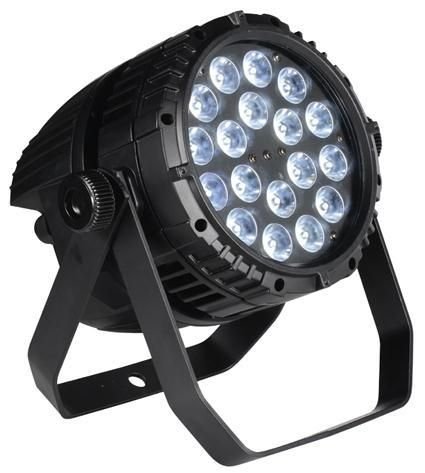
Perform a Visual Inspection Before Every Event
A quick inspection before each production can identify problems before they become major failures.
Check for:
- Cracked or damaged housings
- Loose mounting brackets
- Missing safety cables
- Damaged power cables
- Loose DMX connectors
- Scratched lenses
- Signs of overheating
Any damaged equipment should be repaired before use.
Keep Fixtures Clean
Dust and residue reduce light output and increase operating temperatures.
Clean regularly:
- Exterior housing
- Front lens
- Ventilation openings
- Cooling fans
- Connectors
- Display panel
Always use microfiber cloths and manufacturer-approved optical cleaning solutions.
Avoid abrasive materials or harsh chemicals that may damage protective coatings.
Maintain Cooling Systems
Heat is one of the biggest threats to LED fixture longevity.
For fan-cooled fixtures:
- Clean cooling fans regularly.
- Remove dust from air vents.
- Replace noisy or worn fans.
- Verify proper airflow.
For fanless fixtures:
- Clean heat sinks.
- Ensure adequate ventilation around the fixture.
Efficient cooling helps maintain consistent brightness and protects internal electronics.
Inspect Optical Components
Clean optics produce brighter, sharper beams.
Inspect:
- Front lenses
- Internal lenses (if serviceable)
- Frost filters
- Diffusers
- Reflectors
Replace damaged optical components if they affect beam quality or light output.
Check Moving Parts
Moving head LED fixtures contain precision mechanical systems.
Inspect regularly:
- Pan movement
- Tilt movement
- Zoom mechanism
- Focus mechanism
- Gobo wheel
- Color wheel
- Drive belts
Listen for unusual noises or irregular movement that may indicate wear.
Inspect Power and Data Connections
Reliable electrical connections are essential for stable fixture performance.
Check:
- Power connectors
- DMX connectors
- Ethernet ports
- Cable insulation
- Locking connectors
Replace damaged connectors immediately to avoid communication or power issues.
Test Fixture Performance
After cleaning and inspection, verify that every fixture operates correctly.
Test:
- Brightness
- Color mixing
- White balance
- Dimming
- Strobe
- Pan and tilt
- Zoom
- Focus
- Gobo rotation
- Prism effects
Comparing fixtures side by side helps identify performance differences caused by aging.
Update Firmware
Manufacturers frequently release firmware updates that improve:
- System stability
- DMX compatibility
- Feature performance
- Bug fixes
- Network reliability
Always follow the manufacturer’s instructions when updating firmware.
Protect Fixtures During Transportation
Touring productions expose fixtures to vibration and impact.
Best practices include:
- Use professional flight cases.
- Secure fixtures during transport.
- Protect lenses with covers.
- Avoid excessive stacking.
- Inspect fixtures after transport.
Proper transportation significantly reduces mechanical damage.
Store Equipment Properly
When fixtures are not in use:
- Clean them before storage.
- Allow them to cool completely.
- Store them in a dry, climate-controlled environment.
- Protect them from dust and moisture.
- Keep them inside padded flight cases.
Proper storage extends fixture lifespan and reduces maintenance requirements.
Monitor Operating Hours
Many professional LED fixtures record operating hours.
Monitoring runtime helps you:
- Schedule maintenance
- Predict component wear
- Plan replacements
- Track warranty periods
Fixtures with high operating hours may require more frequent inspections.
Replace Worn Components Promptly
Do not ignore small issues.
Common replacement items include:
- Cooling fans
- Drive belts
- DMX connectors
- Power connectors
- Display modules
- LED drivers
Replacing inexpensive components early can prevent costly repairs later.
Keep Maintenance Records
Maintain a service log for every fixture, including:
- Inspection dates
- Cleaning schedule
- Firmware updates
- Operating hours
- Repairs performed
- Replacement parts
- Technician notes
Accurate records make it easier to monitor equipment health and schedule future maintenance.
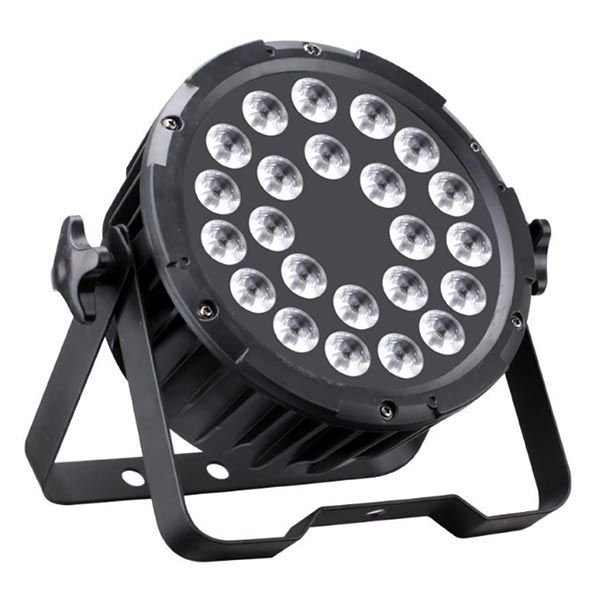
Common Maintenance Mistakes to Avoid
Avoid these common errors:
- Skipping regular cleaning
- Blocking ventilation openings
- Using harsh cleaning chemicals
- Ignoring unusual noises
- Operating fixtures in excessive heat
- Failing to inspect cables
- Storing equipment while still hot
- Delaying repairs
Small maintenance issues can quickly develop into major equipment failures if left unresolved.
Frequently Asked Questions
How often should professional LED stage lights be maintained?
Basic inspections should be performed before every event. Cleaning and routine maintenance should be scheduled weekly or monthly depending on usage, while comprehensive servicing should be completed at least once a year.
Do LED stage lights require less maintenance than traditional fixtures?
Yes. LED fixtures generally require less maintenance because they produce less heat and have longer lifespans. However, they still need regular cleaning, inspections, and preventive maintenance to ensure reliable operation.
What is the most important maintenance task?
Keeping fixtures clean and ensuring proper cooling are among the most important maintenance practices. Dust buildup can reduce brightness, restrict airflow, and shorten the lifespan of LEDs and electronic components.
Can firmware updates improve fixture performance?
Yes. Firmware updates often improve system stability, compatibility, performance, and reliability while fixing known software issues.
Why should maintenance records be kept?
Maintenance logs help track operating hours, identify recurring problems, schedule preventive maintenance, simplify troubleshooting, and support warranty claims.
Conclusion
Maintaining professional LED stage lights is essential for achieving reliable performance, consistent brightness, and maximum equipment lifespan. By following a regular maintenance routine that includes cleaning, cooling system inspections, optical care, firmware updates, cable inspections, and proper storage, lighting professionals can reduce downtime, lower operating costs, and protect their investment.
Whether you manage a theatre, concert venue, church, television studio, rental company, or touring production, a proactive maintenance program will ensure your LED stage lighting system continues to deliver exceptional performance for years to come.