
One of the most powerful tools in professional lighting design is contrast. While color, movement, and intensity often receive the most attention, contrast is what gives lighting depth, focus, emotion, and visual impact.
Whether you’re designing lighting for concerts, theaters, churches, television studios, corporate events, or live productions, understanding how to use contrast effectively can transform an ordinary lighting setup into a compelling visual experience.
In this guide, we’ll explore how lighting designers use contrast to direct audience attention, create atmosphere, and enhance stage productions.
What Is Contrast in Lighting Design?
Contrast refers to the difference between lighting elements within a scene.
These differences may involve:
- Light and shadow
- Bright and dark areas
- Warm and cool colors
- Narrow and wide beams
- Static and moving effects
- Soft and hard light
The greater the difference between these elements, the stronger the visual impact.
Without contrast, a stage often appears flat, lifeless, and visually uninteresting.
Why Contrast Is Important
Contrast helps lighting designers achieve several objectives.
Direct Audience Attention
The human eye naturally focuses on the brightest or most visually distinct area of a scene.
Designers use contrast to:
- Highlight performers
- Emphasize important moments
- Guide audience focus
Create Depth
Contrast separates foreground and background elements.
This helps create:
- Dimension
- Visual layering
- Professional stage aesthetics
Build Emotion
Different levels of contrast can influence audience emotions.
High contrast often creates tension and drama.
Low contrast typically creates comfort and softness.
Strengthen Storytelling
Lighting contrast supports narrative transitions and emotional shifts throughout a performance.
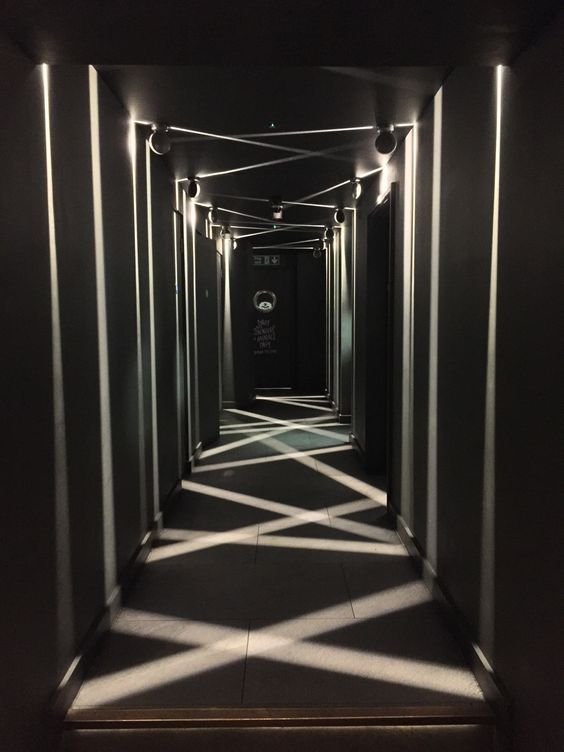
Light vs Shadow Contrast
One of the oldest lighting techniques is balancing light against shadow.
High Contrast Lighting
Features:
- Bright highlights
- Deep shadows
- Strong visual drama
Commonly used in:
- Theater productions
- Dramatic performances
- Concerts
- Film production
Low Contrast Lighting
Features:
- Even illumination
- Minimal shadows
- Soft appearance
Often used in:
- Corporate events
- Broadcast studios
- Interviews
- Educational presentations
The appropriate contrast level depends on the production’s goals.
Color Contrast in Stage Lighting
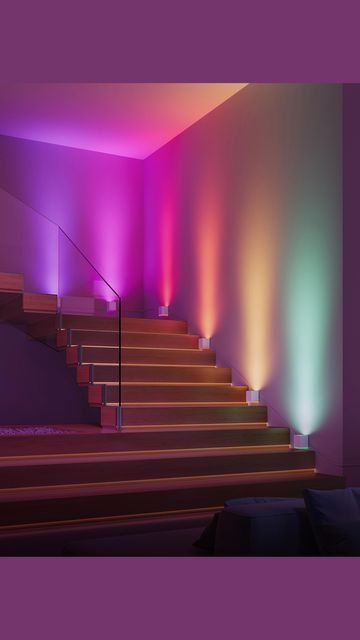
Color contrast is another powerful design tool.
Combining opposing colors creates visual interest and emotional depth.
Warm vs Cool Colors
Examples:
- Amber and blue
- Orange and cyan
- Warm white and daylight white
These combinations create strong visual separation.
Complementary Colors
Popular combinations include:
- Red and green
- Blue and amber
- Purple and yellow
When used carefully, complementary colors can make stages appear more vibrant and dynamic.
Contrast Through Lighting Angles
Different fixture positions create natural contrast.
Front Lighting
Provides visibility and clarity.
Side Lighting
Adds texture and dimension.
Back Lighting
Creates separation between performers and backgrounds.
Overhead Lighting
Introduces dramatic shadows and form.
Combining multiple lighting angles creates layered visual compositions.
Intensity Contrast
Intensity contrast involves varying brightness levels across a stage.
Examples include:
- Bright performer lighting against darker backgrounds
- Spotlight effects against ambient lighting
- Focused highlights during key moments
Intensity contrast is one of the most effective methods for directing audience attention.
Beam Contrast
Different beam types create different visual experiences.
Narrow Beam Fixtures
Provide:
- Sharp aerial effects
- Concentrated focus
- Dramatic visuals
Wide Wash Fixtures
Provide:
- Broad coverage
- Ambient lighting
- Soft visual environments
Combining beam and wash fixtures creates powerful visual contrast.
Movement Contrast
Motion can also create contrast.
Examples include:
Static Performer Lighting
Combined with:
Moving Beam Effects
This approach keeps performers visible while maintaining visual excitement.
Professional designers often balance stationary and moving fixtures to avoid overwhelming audiences.
Contrast in Concert Lighting
Concert productions frequently use aggressive contrast techniques.
Examples include:
- Bright beam effects against dark stages
- Fast movement against static scenes
- Intense color transitions
- Dramatic spotlight moments
These techniques help create excitement and energy.
Contrast in Theatre Lighting
Theatre lighting uses contrast to support storytelling.
Examples include:
- Isolating characters with spotlights
- Separating scenes with color changes
- Creating emotional tension through shadow
The goal is to enhance the narrative rather than distract from it.
Contrast in Corporate Event Lighting
Corporate events typically require more controlled contrast.
Common approaches include:
- Bright speaker lighting
- Subtle background color washes
- Soft visual transitions
- Balanced presentation environments
Professionalism usually takes priority over dramatic effects.
Contrast in Television and Broadcast Lighting
Broadcast environments require careful contrast management.
Excessive contrast may cause:
- Camera exposure issues
- Lost detail
- Unflattering shadows
Professional studios balance contrast to achieve:
- Natural skin tones
- Clear visibility
- High-quality video production
Using Contrast with LED Lighting Systems
Modern LED fixtures make contrast creation easier than ever.
Benefits include:
- Precise dimming control
- Dynamic color mixing
- Adjustable beam angles
- Fast scene transitions
LED technology gives designers exceptional creative flexibility.
Common Mistakes When Using Contrast
Too Much Contrast
Excessive contrast may:
- Hide performers
- Reduce visibility
- Create visual discomfort
Too Little Contrast
Insufficient contrast often creates:
- Flat visuals
- Reduced focus
- Boring stage environments
Overusing Color Contrast
Too many competing colors can create visual confusion.
Ignoring Audience Perspective
Contrast should remain effective from all viewing angles.
Balance is essential.
Practical Tips for Better Contrast
Use Back Lighting
Creates instant separation and depth.
Layer Fixture Types
Combine:
- Beam fixtures
- Wash fixtures
- Spot fixtures
Control Intensity Carefully
Brightness differences should feel intentional.
Use Color Strategically
Limit color palettes to maintain visual clarity.
Program Contrast Changes
Dynamic contrast shifts can emphasize important moments.
Frequently Asked Questions
What is contrast in stage lighting?
Contrast is the difference between lighting elements such as brightness, color, movement, and shadow that creates visual interest and focus.
Why is contrast important in lighting design?
Contrast helps direct audience attention, create depth, strengthen storytelling, and improve visual impact.
What types of contrast are used in stage lighting?
Common types include brightness contrast, color contrast, beam contrast, movement contrast, and shadow contrast.
Can too much contrast be a problem?
Yes. Excessive contrast can reduce visibility and make performances difficult to follow.
How do LED fixtures improve contrast?
LED lighting systems offer precise control over brightness, color, beam angle, and transitions, making contrast easier to manage.
Conclusion
Contrast is one of the fundamental principles of professional lighting design. By carefully balancing brightness, color, movement, shadow, and fixture positioning, lighting designers can create visually compelling environments that capture attention and enhance audience experiences.
Whether you’re designing for concerts, theaters, churches, corporate events, or broadcast productions, mastering contrast will help you create stronger visual storytelling, greater depth, and more memorable stage presentations.