
Installing a professional stage lighting system involves much more than mounting fixtures and connecting cables. A successful installation requires careful planning, proper electrical distribution, safe rigging, effective cable management, and thoughtful fixture placement. Even small installation mistakes can lead to uneven lighting, equipment failures, safety hazards, and costly repairs.
Whether you’re installing lighting in a theatre, concert venue, church, television studio, school auditorium, conference center, or outdoor event space, avoiding common installation errors will improve system performance, simplify maintenance, and extend the lifespan of your equipment.
In this guide, we’ll explore the most common stage lighting installation mistakes and explain how to avoid them.
Why Proper Installation Matters
A well-installed lighting system provides:
- Reliable operation
- Consistent light output
- Improved safety
- Easier maintenance
- Better energy efficiency
- Longer equipment lifespan
- Greater flexibility for future upgrades
- Lower operating costs
Investing time in proper installation reduces problems throughout the life of the lighting system.
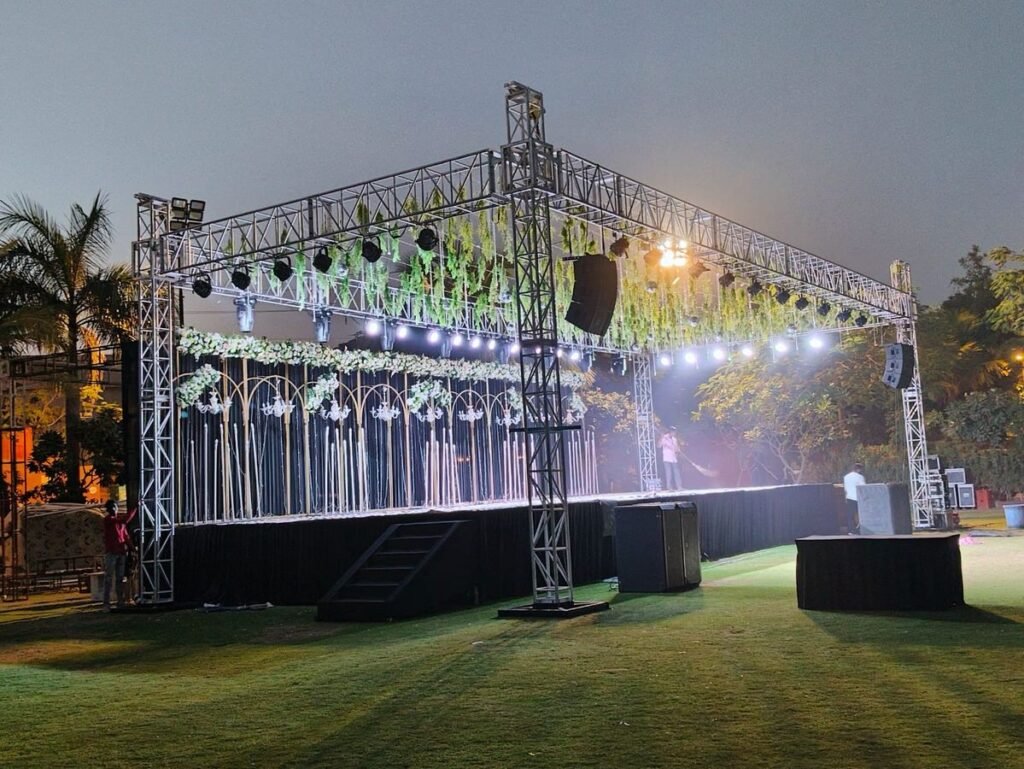
1. Skipping the Lighting Design Phase
One of the biggest mistakes is installing fixtures without a detailed lighting plan.
Without proper planning, you may experience:
- Uneven stage coverage
- Dark spots
- Excessive overlap
- Wasted fixtures
- Poor sightlines
- Inadequate power distribution
Always create a lighting layout before installation begins.
2. Choosing the Wrong Fixtures
Every venue has unique lighting requirements.
Common selection mistakes include:
- Using beam fixtures where wash lighting is needed
- Selecting fixtures with insufficient brightness
- Choosing indoor fixtures for outdoor installations
- Ignoring beam angles
- Purchasing incompatible control systems
Select fixtures based on the venue, production style, throw distance, and creative goals.
3. Mounting Fixtures at the Wrong Height
Improper mounting height affects beam coverage and visual quality.
Fixtures mounted too low may create:
- Harsh facial shadows
- Audience glare
- Uneven lighting
Fixtures mounted too high may reduce brightness and require narrower beam angles or higher-output fixtures.
Mounting height should be determined by the venue, fixture type, and stage dimensions.
4. Poor Fixture Positioning
Incorrect placement often causes:
- Uneven illumination
- Dark areas
- Excessive spill light
- Difficult focusing
- Reduced visual impact
Balance front, side, overhead, and back lighting to achieve even stage coverage.
5. Ignoring Rigging Safety
Overhead equipment must always be installed safely.
Common rigging mistakes include:
- Missing safety cables
- Overloaded trusses
- Incorrect clamps
- Loose mounting hardware
- Damaged rigging equipment
Always use certified rigging hardware and inspect every installation before use.
6. Overloading Electrical Circuits
Connecting too many fixtures to one circuit increases the risk of:
- Tripped breakers
- Voltage drops
- Equipment shutdowns
- Electrical damage
Calculate the total power load and distribute fixtures evenly across multiple circuits.
7. Poor Cable Management
Messy cable installations create safety hazards and make maintenance difficult.
Avoid:
- Loose cables on walkways
- Tangled cable runs
- Unlabeled cables
- Excessively long cable loops
- Power and signal cables bundled together over long distances
Neatly routed and labeled cables improve reliability and simplify troubleshooting.
8. Using Low-Quality Cables and Connectors
Poor-quality cables often lead to:
- Intermittent DMX signals
- Power interruptions
- Connector failures
- Increased maintenance
Invest in professional-grade power and data cables designed for entertainment applications.
9. Inadequate Cooling and Ventilation
Blocking cooling vents or installing fixtures too close together can cause overheating.
Ensure:
- Adequate airflow around fixtures
- Clean ventilation openings
- Proper spacing between fixtures
- Cooling fans remain unobstructed
Maintaining proper cooling extends LED lifespan and improves reliability.
10. Incorrect DMX Addressing
DMX addressing errors can cause fixtures to:
- Respond unexpectedly
- Fail to respond
- Mirror other fixtures
- Operate inconsistently
Verify addresses, personalities, and control modes before programming the lighting console.
11. Failing to Test the System
Some installers wait until show day to power up the lighting system.
Instead, test:
- Every fixture
- Every circuit
- DMX communication
- Pan and tilt movement
- Color mixing
- Zoom and focus
- Dimming and strobe functions
Testing early allows time to resolve issues before the event.
12. Ignoring Future Expansion
Lighting systems often grow over time.
Plan ahead by allowing:
- Additional power capacity
- Spare DMX universes
- Network expansion
- Extra truss space
- Additional fixture mounting points
A scalable design reduces upgrade costs later.
13. Overlooking Maintenance Access
Fixtures installed in inaccessible locations are difficult to service.
Ensure technicians can safely access fixtures for:
- Cleaning
- Firmware updates
- Repairs
- Lens replacement
- Routine inspections
Maintenance accessibility reduces downtime and service costs.
14. Not Considering the Environment
Environmental conditions affect fixture performance.
Indoor installations differ from outdoor systems in terms of:
- Moisture exposure
- Dust levels
- Temperature changes
- Wind loading
- UV exposure
Choose fixtures with appropriate IP ratings for the installation environment.
15. Skipping Documentation
Every installation should include clear documentation.
Record:
- Fixture locations
- DMX addresses
- Circuit assignments
- Cable routes
- Power distribution
- Network configuration
- Maintenance history
Proper documentation simplifies troubleshooting and future upgrades.
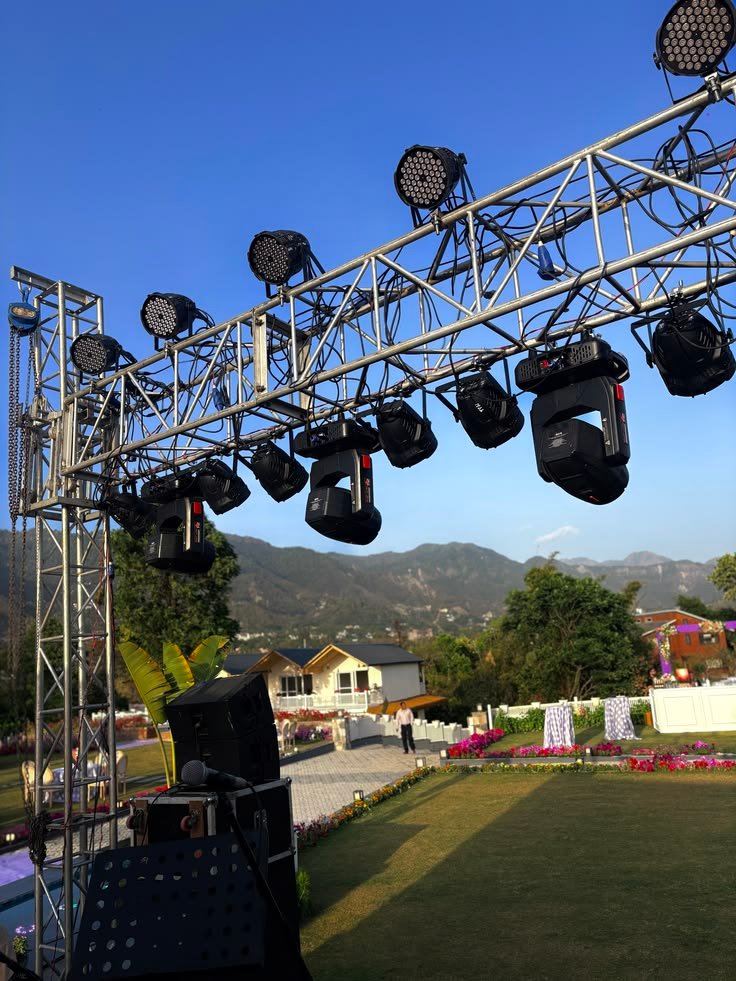
Installation Checklist
Before completing any installation, verify:
- Lighting design completed
- Correct fixtures selected
- Proper mounting height
- Certified rigging hardware installed
- Safety cables attached
- Electrical loads balanced
- Cable management completed
- DMX addressing verified
- Cooling airflow unobstructed
- Firmware updated
- Full system tested
- Documentation completed
Following a checklist helps ensure a safe, reliable installation.
Frequently Asked Questions
What is the most common stage lighting installation mistake?
Skipping the planning phase is one of the most common mistakes. Without a detailed lighting design, installers often encounter poor coverage, inadequate power distribution, and inefficient fixture placement.
Why is cable management important?
Good cable management improves safety, simplifies maintenance, reduces troubleshooting time, and minimizes the risk of damaged cables or accidental disconnections.
Can poor ventilation damage LED stage lights?
Yes. Inadequate airflow can cause overheating, reducing LED lifespan and increasing the likelihood of electronic component failure.
Why should lighting systems be tested before every event?
Pre-event testing confirms that fixtures, power systems, and control networks are operating correctly, reducing the risk of failures during live performances.
Should future expansion be considered during installation?
Absolutely. Designing for future expansion allows additional fixtures, power capacity, and control systems to be added without major modifications.
Conclusion
A successful stage lighting installation combines thoughtful planning, safe rigging, reliable electrical distribution, effective cable management, and thorough system testing. By avoiding these common installation mistakes, lighting professionals can create systems that are safer, more efficient, easier to maintain, and capable of delivering exceptional performance for years to come.
Whether you’re installing lighting in a theatre, concert venue, church, broadcast studio, conference center, school auditorium, or outdoor event space, following industry best practices from the beginning will help ensure every production is illuminated safely and professionally.