
Professional stage lighting plays a vital role in creating memorable experiences for concerts, theatres, churches, television studios, corporate events, festivals, and live performances. While the core principles of lighting design remain the same, installing lighting systems indoors and outdoors involves very different challenges.
Indoor installations typically focus on controlled environments, permanent infrastructure, and precise lighting control. Outdoor installations, however, must withstand weather, temperature changes, moisture, wind, dust, and more demanding rigging requirements.
Understanding these differences helps venue owners, event organizers, lighting designers, and installers choose the right equipment while ensuring safety, reliability, and long-term performance.
In this guide, we’ll compare indoor and outdoor stage lighting installations, discuss their unique requirements, and explain how to select the right solution for your application.
Why Installation Environment Matters
The installation environment directly affects the performance, safety, and lifespan of professional lighting equipment.
Environmental factors influence:
- Fixture selection
- Rigging requirements
- Electrical safety
- Cooling performance
- Maintenance schedules
- Cable management
- Power distribution
- Long-term operating costs
Selecting fixtures designed for the intended environment reduces maintenance and improves system reliability.
Indoor Stage Lighting Installation
Indoor venues offer greater environmental control, making installation generally more straightforward.
Common indoor applications include:
- Theatres
- Churches
- Television studios
- School auditoriums
- Conference centers
- Exhibition halls
- Performing arts venues
- Music clubs
Because these environments are protected from weather, installers can prioritize lighting performance and creative flexibility.
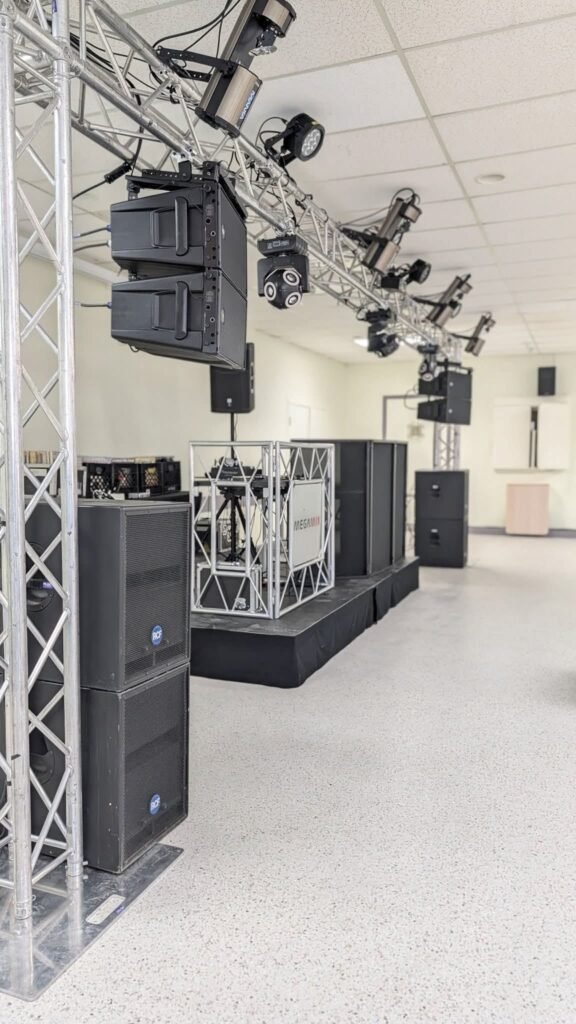
Advantages of Indoor Installations
Indoor lighting systems benefit from:
- Stable temperatures
- Protection from rain and moisture
- Lower exposure to dust
- Permanent infrastructure
- Easier maintenance
- Consistent power availability
- Controlled ambient lighting
These conditions help maximize fixture lifespan and reduce servicing requirements.
Indoor Fixture Selection
Popular indoor fixtures include:
- Moving head lights
- LED PAR lights
- Fresnel lights
- Profile spotlights
- Beam lights
- Wash lights
- Followspots
- Audience blinders
- LED battens
Since weather resistance is less critical, fixture selection can focus on optical performance and creative features.
Outdoor Stage Lighting Installation
Outdoor installations introduce additional technical and safety considerations.
Common outdoor applications include:
- Music festivals
- Concerts
- Sporting events
- Cultural celebrations
- Outdoor theatres
- Theme parks
- Permanent architectural installations
- Public events
Outdoor lighting systems must operate reliably despite changing weather conditions.
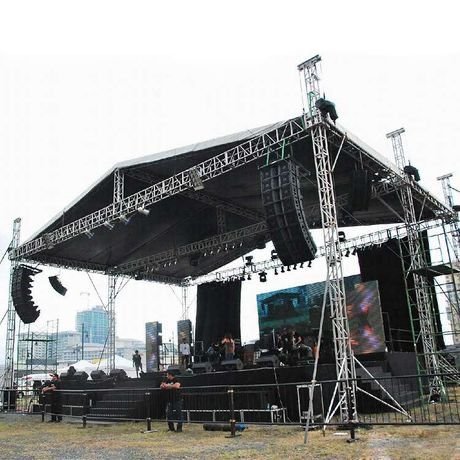
Challenges of Outdoor Installations
Outdoor lighting systems may encounter:
- Rain
- Wind
- Dust
- Humidity
- Direct sunlight
- Salt air
- Extreme temperatures
- UV exposure
These conditions increase the importance of fixture durability and weather protection.
Waterproof Lighting Fixtures
Outdoor installations should use fixtures with suitable ingress protection (IP) ratings.
Common options include:
- IP65
- IP66
- IP67
These fixtures provide protection against dust and water, helping maintain reliable performance in demanding environments.
Rigging Considerations
Indoor rigging often relies on permanent trusses or ceiling grids.
Outdoor installations require additional attention to:
- Wind loading
- Temporary truss systems
- Ground support structures
- Structural engineering
- Weather monitoring
- Load calculations
- Ballast systems
All rigging components must be rated for the expected loads and environmental conditions.
Power Distribution Differences
Indoor venues generally have permanent electrical infrastructure.
Outdoor events often require:
- Temporary power distribution
- Portable generators
- Weatherproof power connectors
- Ground fault protection
- Waterproof cable covers
- Backup power planning
Electrical safety becomes even more important in wet environments.
Cable Management
Proper cable management protects equipment and personnel.
Indoor cable management focuses on:
- Neat routing
- Accessibility
- Trip hazard prevention
Outdoor cable management also requires:
- Waterproof connectors
- Cable ramps
- Elevated cable runs where necessary
- UV-resistant cables
- Protection from standing water
Well-managed cables improve both safety and reliability.
Cooling and Ventilation
Indoor fixtures operate in relatively stable conditions.
Outdoor fixtures may experience:
- High ambient temperatures
- Direct sunlight
- Rapid weather changes
Adequate ventilation remains essential, even for waterproof fixtures.
Never block cooling vents or heat sinks.
Maintenance Requirements
Outdoor fixtures generally require more frequent maintenance.
Typical maintenance tasks include:
- Cleaning dirt and dust
- Inspecting waterproof seals
- Checking connectors
- Removing moisture buildup
- Inspecting corrosion
- Verifying cooling performance
Indoor systems usually require less frequent servicing due to cleaner operating environments.
Lighting Design Differences
Indoor lighting designers have complete control over ambient light.
Outdoor productions must account for:
- Sunlight
- Street lighting
- Building illumination
- Weather conditions
- Larger audience areas
- Longer throw distances
Outdoor events often require brighter fixtures with higher output to overcome ambient lighting.
Safety Considerations
Both indoor and outdoor installations require strict safety procedures.
Essential safety measures include:
- Certified rigging hardware
- Secondary safety cables
- Proper grounding
- Electrical inspections
- Load calculations
- Routine equipment inspections
- Emergency shutdown procedures
Outdoor events also require weather monitoring and contingency plans for severe conditions.
Indoor vs Outdoor Installation Comparison
| Feature | Indoor Installation | Outdoor Installation |
|---|---|---|
| Weather exposure | Protected | Exposed |
| IP rating requirement | Standard fixtures often sufficient | IP65/IP66/IP67 recommended |
| Ambient lighting | Controlled | Variable |
| Rigging complexity | Moderate | Higher |
| Power distribution | Permanent infrastructure | Temporary or generator-based |
| Maintenance frequency | Lower | Higher |
| Dust and moisture exposure | Low | High |
| Wind loading | Minimal | Significant |
| Cooling challenges | Moderate | Greater |
| Installation flexibility | High | Weather dependent |
Choosing the Right Lighting System
When selecting fixtures, consider:
- Venue type
- Installation location
- Weather exposure
- Required brightness
- Beam distance
- Control protocol
- Maintenance capabilities
- Budget
- Future expansion
Choosing fixtures designed specifically for their operating environment improves reliability and long-term value.
Frequently Asked Questions
Can indoor stage lights be used outdoors?
Generally, no. Indoor fixtures are not designed to withstand rain, dust, humidity, or temperature extremes. Outdoor applications should use fixtures with appropriate IP ratings and weather-resistant construction.
What IP rating is recommended for outdoor stage lighting?
For most outdoor events, IP65 is the minimum recommended rating, providing protection against dust and water jets. Installations exposed to more severe conditions may require IP66 or IP67 fixtures.
Are outdoor lighting systems more expensive?
Typically, yes. Outdoor fixtures often cost more because they include sealed housings, weatherproof connectors, corrosion-resistant materials, and additional environmental protection.
Do outdoor lighting systems require more maintenance?
Yes. Outdoor fixtures are exposed to dirt, moisture, UV radiation, and changing temperatures, making more frequent inspections and cleaning necessary.
Which installation is easier?
Indoor installations are generally simpler because they benefit from controlled environments, permanent infrastructure, and reduced exposure to environmental hazards. Outdoor installations require more planning, weather protection, and safety considerations.
Conclusion
While indoor and outdoor stage lighting installations share the same goal of delivering exceptional visual experiences, their technical requirements differ significantly. Indoor systems prioritize creative flexibility and permanent infrastructure, while outdoor installations demand weather-resistant fixtures, enhanced safety measures, and more robust power and rigging solutions.
Whether you’re designing lighting for a theatre, church, broadcast studio, concert venue, festival, or outdoor event, choosing equipment specifically engineered for the installation environment will improve reliability, reduce maintenance costs, and ensure outstanding performance for years to come.