
Professional stage lighting is designed to perform reliably in demanding environments such as concert venues, theatres, television studios, churches, conference centers, rental companies, and touring productions. However, even the highest-quality lighting fixtures can fail over time due to wear, environmental conditions, improper maintenance, or electrical problems.
Unexpected stage light failures can interrupt live performances, increase maintenance costs, and negatively impact production quality. Fortunately, many failures can be prevented through routine inspections, proper handling, and proactive maintenance.
In this guide, we’ll explore the most common causes of stage light failure, how to identify early warning signs, and the best practices for preventing equipment downtime.
Why Do Stage Lights Fail?
Stage lighting fixtures contain complex electronic, optical, and mechanical components that operate under demanding conditions.
A typical intelligent lighting fixture includes:
- LED light engine
- Power supply
- LED driver
- Cooling system
- Motors
- Optical lenses
- Gobo wheels
- Color wheels
- Control boards
- DMX communication system
Failure in any one of these components can affect the performance of the entire fixture.
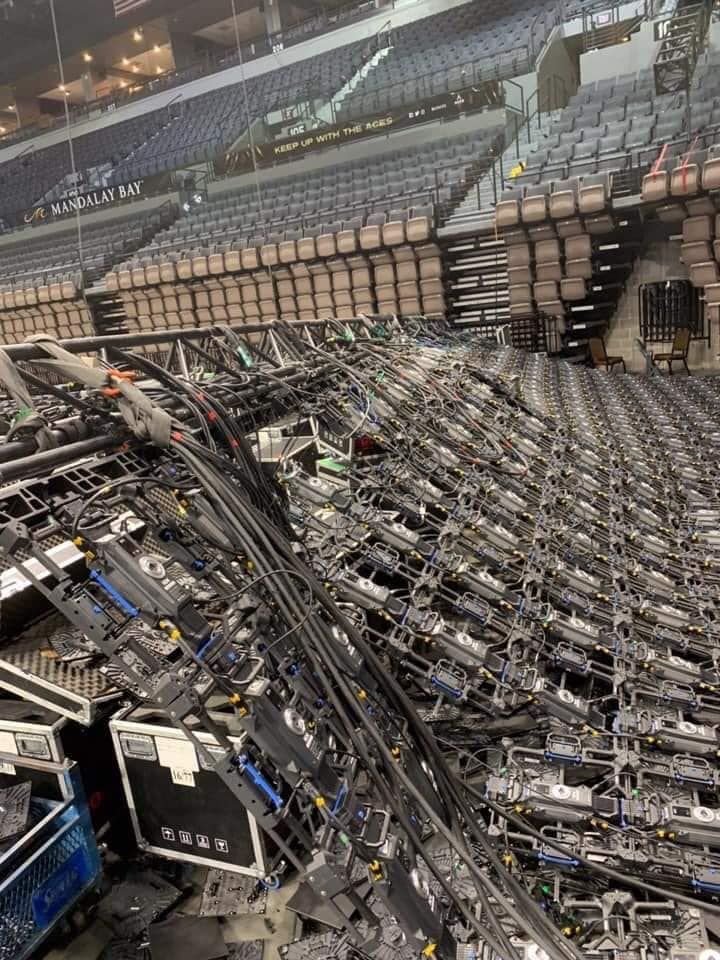
Overheating
Heat is one of the leading causes of stage light failure.
Excessive temperatures accelerate the aging of:
- LED chips
- Power supplies
- Drivers
- Electronic components
- Optical materials
Common causes of overheating include:
- Blocked ventilation
- Dirty cooling fans
- Poor airflow
- High ambient temperatures
- Continuous operation without adequate cooling
Proper ventilation significantly extends fixture lifespan.
Cooling Fan Failure
Cooling fans protect internal components by maintaining safe operating temperatures.
Symptoms of fan failure include:
- Loud fan noise
- Reduced airflow
- Fan error messages
- Automatic shutdowns
- Overheating
Replacing worn cooling fans early helps prevent more expensive internal damage.
Dust and Dirt Buildup
Dust, smoke residue, haze fluid, and airborne particles accumulate inside fixtures over time.
This can lead to:
- Blocked cooling vents
- Reduced brightness
- Overheating
- Optical contamination
- Fan imbalance
Routine cleaning is one of the simplest ways to improve reliability.
Power Supply Failure
Power supplies convert incoming electrical power into the voltages required by the fixture.
Power supply problems may cause:
- Failure to power on
- Unexpected shutdowns
- Flickering
- Low brightness
- Complete fixture failure
Stable electrical infrastructure helps reduce stress on power supplies.
LED Driver Failure
The LED driver controls the electrical current supplied to the light engine.
Signs of driver failure include:
- Flickering LEDs
- Reduced brightness
- Random light loss
- Inconsistent output
- Failure to illuminate
Driver replacement often restores normal operation.
LED Module Aging
LED chips naturally lose brightness over time through lumen depreciation.
Although LEDs last much longer than traditional lamps, aging may eventually result in:
- Lower brightness
- Uneven output
- Color shifting
- Reduced efficiency
Regular performance monitoring helps determine when replacement is necessary.
DMX Communication Problems
Lighting fixtures depend on reliable communication with the lighting console.
DMX failures may result from:
- Damaged cables
- Loose connectors
- Incorrect termination
- Addressing conflicts
- Electrical interference
- Faulty DMX ports
Many apparent fixture failures are actually communication issues rather than hardware defects.
Motor Wear
Moving head fixtures contain precision motors that control pan, tilt, focus, zoom, and other functions.
Motor problems may cause:
- Position errors
- Grinding noises
- Calibration failures
- Limited movement
- Slow response
Routine servicing helps maintain smooth mechanical operation.
Damaged Gobo and Color Wheels
Mechanical components inside intelligent fixtures experience continuous movement.
Potential issues include:
- Broken gobos
- Misaligned color wheels
- Worn bearings
- Loose drive belts
- Rotation failures
Regular inspection helps identify worn parts before complete failure occurs.
Moisture and Humidity
Water is one of the greatest threats to professional lighting equipment.
Moisture can cause:
- Corrosion
- Short circuits
- Oxidized connectors
- Electronic failure
- Internal condensation
Outdoor productions should use fixtures with appropriate IP ratings whenever possible.
Poor Transportation
Touring productions place significant stress on lighting equipment.
Damage often occurs due to:
- Excessive vibration
- Impact during transport
- Improper packing
- Inadequate flight cases
- Loose equipment
Protective flight cases greatly reduce transportation damage.
Electrical Problems
Poor electrical infrastructure contributes to many lighting failures.
Potential problems include:
- Voltage fluctuations
- Power surges
- Incorrect grounding
- Overloaded circuits
- Faulty extension cables
Proper power distribution protects sensitive electronic components.
Firmware Issues
Some lighting problems result from outdated firmware.
Symptoms may include:
- Communication errors
- Calibration problems
- Feature malfunctions
- Startup failures
Manufacturers often release firmware updates that improve stability and compatibility.
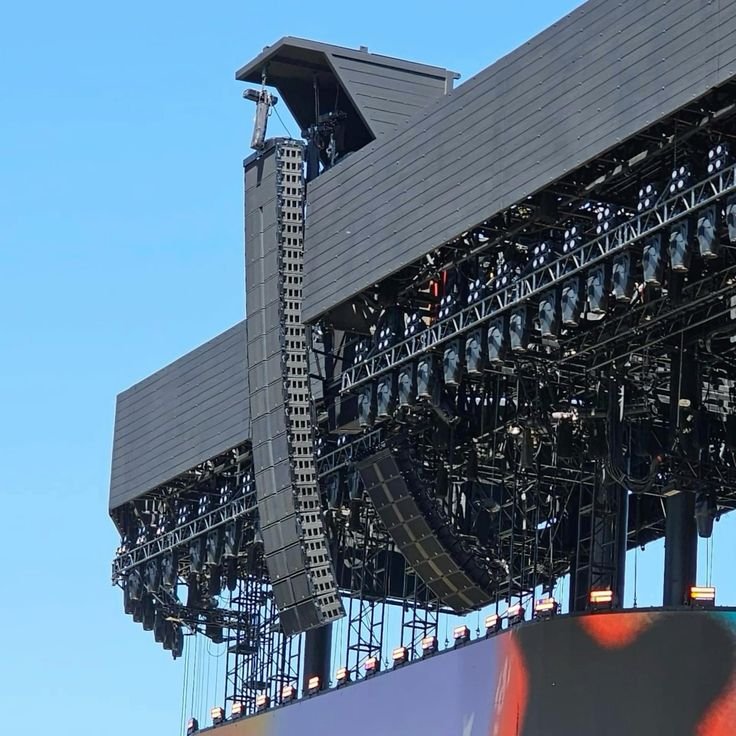
Lack of Preventive Maintenance
The majority of stage lighting failures can be traced to inadequate maintenance.
Ignoring routine servicing may result in:
- Dirty optics
- Cooling failure
- Loose hardware
- Cable damage
- Reduced brightness
- Unexpected equipment failure
Preventive maintenance minimizes downtime and repair costs.
Warning Signs Before Failure
Watch for these early indicators:
- Flickering output
- Reduced brightness
- Unusual fan noise
- Overheating
- Error messages
- Calibration failures
- Slow movement
- Color inconsistencies
- Random shutdowns
- DMX communication loss
Addressing these symptoms early often prevents complete fixture failure.
How to Prevent Stage Light Failure
Professional lighting teams recommend:
- Clean fixtures after every production.
- Inspect cooling systems regularly.
- Store equipment in protective flight cases.
- Use stable power distribution.
- Check DMX cables before every show.
- Perform scheduled maintenance.
- Update firmware when recommended.
- Replace worn components before failure.
- Protect fixtures from moisture and dust.
- Keep detailed maintenance records.
A proactive maintenance schedule improves reliability and extends equipment lifespan.
Frequently Asked Questions
What is the most common cause of stage light failure?
Overheating is one of the most common causes. High temperatures accelerate wear on LEDs, drivers, power supplies, and electronic components.
Why do moving head lights stop moving?
Common causes include worn motors, damaged drive belts, calibration errors, or control board problems.
Can dirty fixtures cause failure?
Yes. Dust and residue block airflow, reduce cooling efficiency, contaminate optics, and increase operating temperatures, all of which shorten fixture lifespan.
How can I reduce equipment failures?
Routine cleaning, preventive maintenance, proper storage, stable power distribution, and regular inspections significantly reduce the likelihood of unexpected failures.
Should I repair or replace a failed fixture?
Minor issues such as cooling fans, drivers, connectors, or belts are often repairable. However, fixtures with extensive damage, obsolete technology, or high repair costs may be better replaced.
Conclusion
Professional stage light failures are often preventable. By understanding the most common causes—including overheating, cooling failures, electrical issues, dust buildup, motor wear, moisture, and poor maintenance—lighting professionals can reduce downtime, improve reliability, and extend the life of their equipment.
Whether you manage a theatre, concert venue, church, broadcast studio, rental company, or touring production, implementing a proactive maintenance program and investing in high-quality lighting equipment will help ensure consistent performance for every event.