
Concert lighting has evolved into one of the most powerful tools for creating unforgettable live entertainment experiences. While talented performers and exceptional music remain at the heart of every show, professional lighting transforms a performance into a spectacular visual event that captivates audiences from the first song to the final encore.
Today’s lighting designers use intelligent moving head lights, LED technology, DMX control, timecode synchronization, pixel mapping, and advanced programming to create breathtaking effects that match the rhythm, mood, and energy of the music. From sweeping beam effects to synchronized color changes, lighting plays a vital role in building excitement and emotional impact.
In this guide, we’ll explore the most effective lighting effects used in concerts and explain how they enhance live performances.
Why Lighting Effects Matter
Lighting does much more than illuminate the stage.
Professional lighting effects help:
- Build excitement before performances
- Highlight key musical moments
- Direct audience attention
- Create atmosphere and emotion
- Enhance stage depth
- Support visual storytelling
- Improve audience engagement
- Deliver memorable concert experiences
Well-designed lighting becomes an extension of the music itself.
Beam Effects
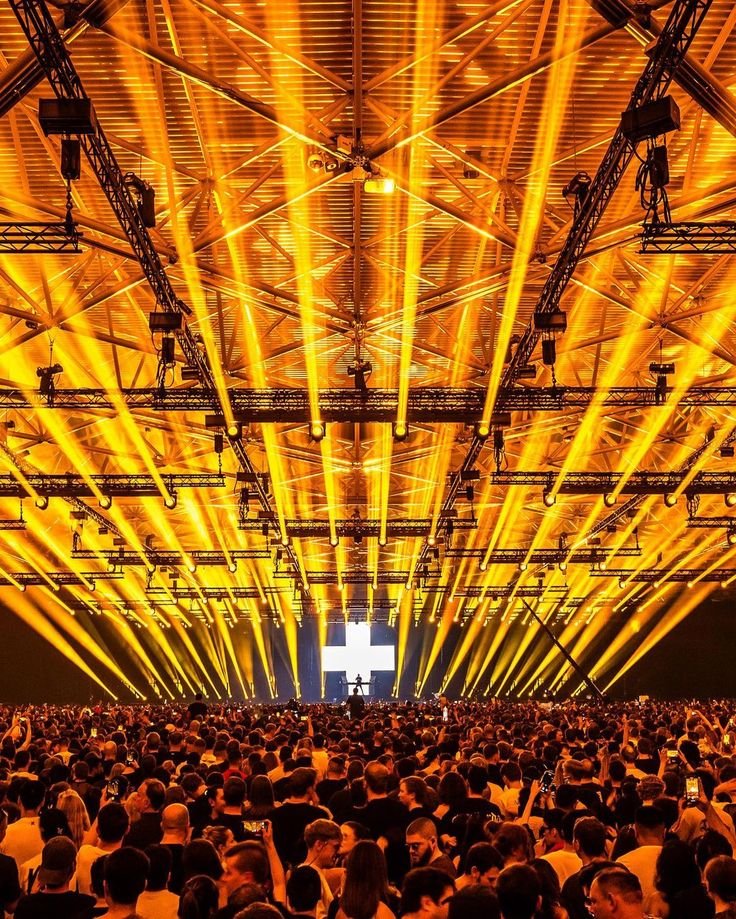
Beam effects are among the most recognizable concert lighting techniques.
Using narrow, high-intensity moving head beam fixtures, designers create dramatic light shafts that sweep across the venue and audience.
Beam effects work especially well with haze or fog, making every light beam clearly visible.
Best applications include:
- EDM festivals
- Rock concerts
- Arena tours
- Opening sequences
- Grand finales
Color Washes
Wash lighting provides broad, even illumination across the stage while setting the emotional tone of each performance.
Common color choices include:
- Blue for emotional ballads
- Red for high-energy songs
- Amber for warm acoustic performances
- Purple for dramatic moments
- White for powerful musical climaxes
Smooth color transitions help reinforce the mood without distracting from the performers.
Spotlight Effects
Spot moving head fixtures allow lighting designers to isolate performers during important moments.
Spotlights are commonly used for:
- Vocal solos
- Guitar solos
- Guest appearances
- Award presentations
- Dramatic entrances
Focused lighting naturally directs the audience’s attention to the most important part of the performance.
Gobo Projection
Gobos are patterned templates inserted into spot fixtures to project shapes, textures, and logos onto stages, backdrops, or floors.
Popular gobo effects include:
- Abstract textures
- Company logos
- Artist branding
- Window patterns
- Nature-inspired effects
Gobo projection adds visual depth and creates a more immersive stage environment.
Pixel Mapping
Pixel mapping allows individual LEDs within fixtures to be controlled independently.
This creates dynamic effects such as:
- Animated patterns
- Chasing sequences
- Video-inspired graphics
- Flowing color animations
- Interactive visual displays
Pixel mapping is widely used in concerts, festivals, and television productions.
Strobe Effects
Strobe lighting creates bursts of rapid flashes that increase excitement during energetic musical moments.
Common uses include:
- Beat drops
- Drum solos
- Electronic dance music
- Grand finales
Because excessive strobe use can overwhelm audiences, professional designers use it strategically for maximum impact.
Audience Lighting
Modern concerts increasingly include audience lighting as part of the overall experience.
Audience fixtures can:
- Illuminate the crowd during sing-alongs
- Sweep across seating areas
- Synchronize with music
- Build audience participation
This approach helps spectators feel like active participants in the performance.
Movement Effects
Intelligent moving head lights provide dynamic movement through:
- Pan and tilt motion
- Circular sweeps
- Crossing beam patterns
- Wave effects
- Fan effects
- Spiral movements
Programming movement to match the tempo of the music creates a more cohesive visual experience.
Motorized Zoom Effects
Motorized zoom allows fixtures to change beam width without physically replacing lenses.
Lighting designers use zoom effects to:
- Transition from narrow beams to wide washes
- Highlight performers
- Expand stage coverage
- Create dramatic visual changes
This feature adds versatility while reducing the number of fixtures required.
Lighting and Video Synchronization
Professional productions often synchronize lighting with:
- LED video walls
- Projection mapping
- Media servers
- Stage automation
- Visual graphics
When lighting and video work together, the result is a seamless multimedia experience that enhances every performance.
Timecode Synchronization
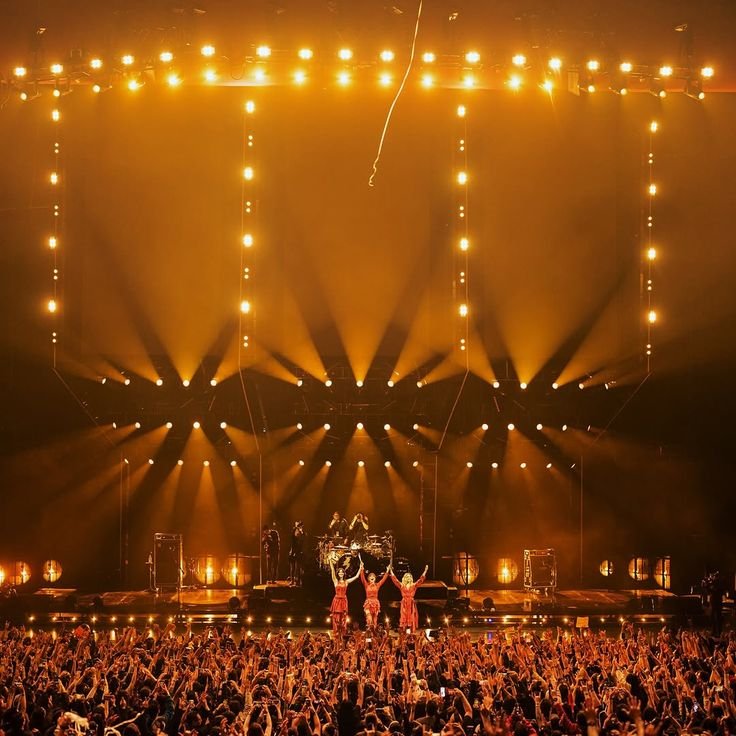
Large-scale concerts rely on timecode to trigger lighting cues with frame-level precision.
Timecode synchronizes:
- Lighting
- Audio playback
- Video content
- Lasers
- Special effects
- Pyrotechnics
This ensures every show remains consistent throughout an entire tour.
AI-Assisted Lighting Effects
Artificial intelligence is beginning to support concert lighting by assisting with:
- Beat detection
- Cue suggestions
- Color optimization
- Automated transitions
- Fixture positioning
- Scene management
AI enhances efficiency while allowing lighting designers to focus on creativity.
Best Practices for Exciting Concert Lighting
Professional lighting designers recommend:
- Match lighting effects to the music.
- Avoid overusing strobe effects.
- Use color intentionally to reinforce emotion.
- Balance beam, wash, and spot fixtures.
- Synchronize lighting with video content.
- Rehearse every cue before the performance.
- Maintain visual variety throughout the show.
Thoughtful programming creates a more engaging experience than relying on constant effects.
Frequently Asked Questions
What lighting effects are most common at concerts?
The most common concert lighting effects include beam sweeps, color washes, spotlights, gobo projections, pixel mapping, strobes, audience lighting, and synchronized moving head effects.
Why do concerts use haze or fog?
Haze makes light beams visible in the air, allowing beam fixtures to create dramatic aerial effects that add depth and excitement to the performance.
What is the purpose of pixel mapping?
Pixel mapping allows designers to control individual LEDs within fixtures, creating animated lighting effects, chases, and video-like visuals.
Is timecode necessary for concert lighting?
Large productions benefit greatly from timecode because it synchronizes lighting with music, video, lasers, and special effects, ensuring consistent performances.
Can AI replace lighting designers?
No. AI supports programming by automating repetitive tasks and suggesting lighting cues, but creative decisions and artistic direction remain the responsibility of professional lighting designers.
Conclusion
Lighting effects are one of the defining elements of modern concert production. By combining beam effects, wash lighting, spotlights, gobos, pixel mapping, audience lighting, timecode synchronization, and intelligent programming, lighting designers create immersive visual experiences that amplify the energy and emotion of every performance.
Whether you’re producing a concert tour, music festival, theatre production, corporate event, or worship service, investing in professional lighting equipment and thoughtful programming will help deliver unforgettable shows that leave lasting impressions on every audience.