
Professional live productions rarely rely on a single type of lighting fixture. Instead, lighting designers combine beam, wash, and spot moving head lights to create dynamic, visually engaging shows that adapt to different songs, performers, and stage environments. Each fixture serves a unique purpose, and when used together, they provide the flexibility needed for concerts, festivals, theatre productions, corporate events, churches, and television broadcasts.
Understanding how these three lighting types work together is essential for designing professional lighting systems that deliver maximum visual impact while maintaining efficiency and creative control.
In this guide, we’ll explore the roles of beam, wash, and spot fixtures, explain how they complement each other, and share best practices for building effective lighting combinations for live shows.
Why Combine Beam, Wash, and Spot Fixtures?
Each lighting fixture is designed for a specific purpose. Using only one type of fixture limits creative possibilities and reduces the overall effectiveness of a lighting design.
Combining beam, wash, and spot lights allows designers to:
- Create layered lighting effects
- Highlight performers
- Illuminate the entire stage
- Produce aerial beam effects
- Project gobos and textures
- Build depth and dimension
- Adapt to different musical styles
- Deliver more immersive audience experiences
This balanced approach is standard in professional entertainment lighting.
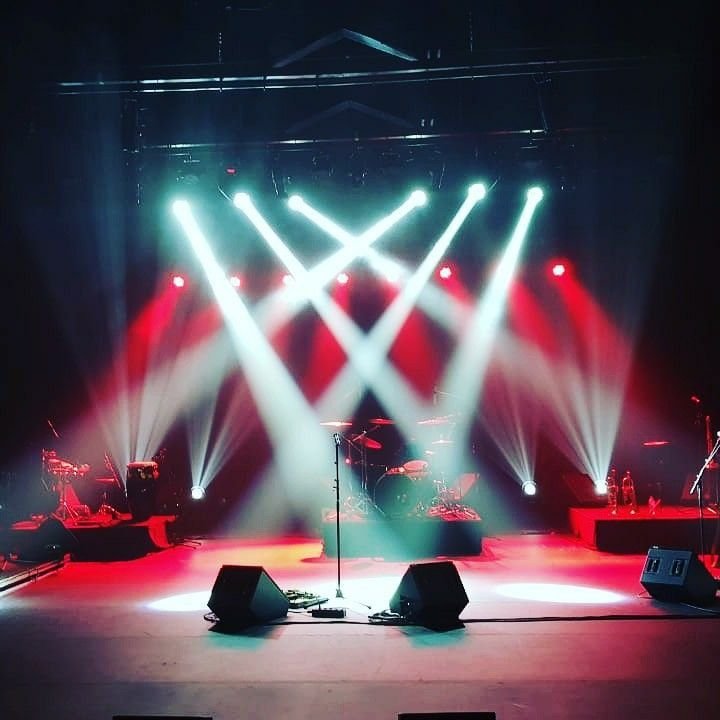
Understanding Beam Lights
Beam moving head lights produce narrow, concentrated beams with high intensity.
Typical beam angles range from 2° to 8°, making them ideal for creating dramatic aerial effects.
Best Uses for Beam Lights
- Concerts
- EDM festivals
- Arena shows
- Opening ceremonies
- Audience sweeps
- High-energy musical performances
Advantages
- Extremely bright output
- Long projection distance
- Sharp aerial beams
- Fast movement
- Dramatic visual effects
Beam fixtures perform best when haze or fog is used to reveal the light beams.
Understanding Wash Lights
Wash fixtures produce wide, soft illumination that evenly covers performers and stage areas.
Unlike beam lights, wash fixtures are designed to illuminate large spaces rather than create narrow light shafts.
Best Uses for Wash Lights
- Stage illumination
- Background lighting
- Theatre productions
- Church services
- Corporate presentations
- Broadcast studios
Advantages
- Soft, even coverage
- Smooth color mixing
- Adjustable beam angles
- Natural-looking illumination
- Excellent for cameras
Wash lighting forms the foundation of most professional stage lighting systems.
Understanding Spot Lights
Spot moving head lights combine precision with versatility.
They produce focused beams while supporting advanced features such as:
- Gobo projection
- Motorized zoom
- Focus adjustment
- Rotating prisms
- Framing effects
Best Uses for Spot Lights
- Performer highlighting
- Texture projection
- Logo projection
- Scenic effects
- Key visual moments
Spot fixtures provide the greatest creative flexibility in professional productions.
Recommended Lighting Combinations
Concerts and Music Festivals
A typical concert setup may include:
- Beam fixtures for aerial effects
- Wash fixtures for stage coverage
- Spot fixtures for performer highlighting
This combination delivers energy, visibility, and dramatic visual effects throughout the performance.
Theatre Productions
Theatre lighting emphasizes storytelling and facial visibility.
Recommended combination:
- Wash lights for general stage illumination
- Spot fixtures for actors
- Limited beam effects for dramatic scenes
This approach ensures clear visibility while preserving the emotional atmosphere.
Corporate Events
Corporate productions require clean, professional lighting.
Recommended combination:
- Wash lights for presenters
- Spot lights for keynote speakers
- Beam fixtures for opening sequences and product launches
This creates a polished appearance without overwhelming the audience.
Church Worship Services
Modern worship environments often combine:
- Wash lights for the platform
- Spot fixtures for worship leaders
- Beam fixtures for musical moments and celebrations
Balanced lighting supports both worship and live streaming.
Television and Broadcast
Broadcast lighting prioritizes image quality.
Recommended combination:
- Wash lights for even illumination
- Spot lights for presenter emphasis
- Minimal beam effects for special segments
This ensures consistent lighting across multiple camera angles.
Balancing the Three Fixture Types
A common mistake is relying too heavily on beam fixtures because of their dramatic appearance.
Professional lighting designers typically balance fixtures based on production needs.
A general guideline might include:
- 40–50% Wash fixtures
- 25–35% Spot fixtures
- 20–30% Beam fixtures
The exact ratio depends on the venue, performance style, and creative objectives.
Programming Beam, Wash, and Spot Fixtures
To achieve cohesive lighting looks:
- Synchronize fixture movements
- Match colors across fixture types
- Program smooth transitions
- Coordinate effects with music
- Avoid excessive movement
- Use beam effects strategically for maximum impact
Well-programmed lighting enhances the performance rather than distracting from it.
Integrating with DMX and Timecode
Modern productions control beam, wash, and spot fixtures through DMX512 while using timecode to synchronize lighting cues with music, video, and special effects.
This integration enables:
- Automated cue execution
- Repeatable performances
- Precise timing
- Seamless multimedia synchronization
It is the standard workflow for touring concerts and large-scale live productions.
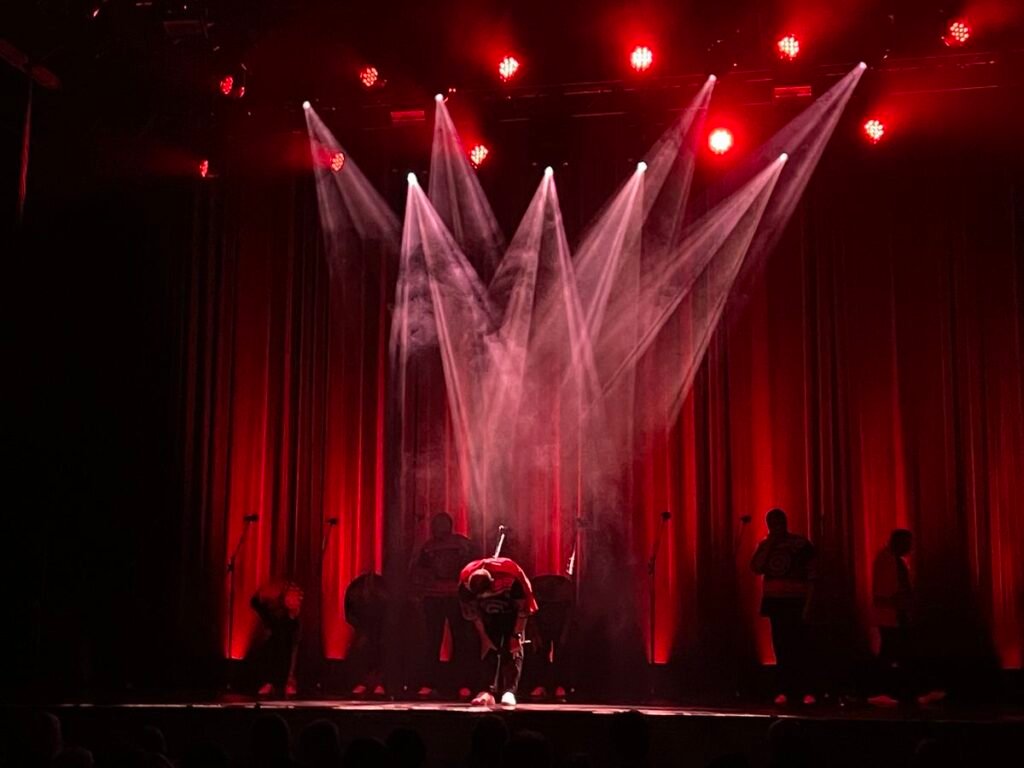
Choosing the Right Fixtures
When selecting professional lighting fixtures, consider:
- LED light source
- High CRI and TLCI ratings
- RGBAL or advanced color mixing
- Motorized zoom
- Gobo projection
- Silent cooling
- DMX compatibility
- Wireless DMX support
- IP-rated protection for outdoor events
High-quality fixtures provide better reliability, flexibility, and long-term performance.
Common Mistakes to Avoid
Avoid these common lighting design errors:
- Using only beam lights
- Insufficient stage wash lighting
- Overusing movement effects
- Poor fixture positioning
- Inconsistent color palettes
- Ignoring audience visibility
- Failing to rehearse lighting cues
A balanced system always delivers better visual results than relying on a single fixture type.
Frequently Asked Questions
What is the difference between beam, wash, and spot lights?
Beam lights produce narrow, high-intensity beams for aerial effects. Wash lights provide wide, even illumination across the stage, while spot lights deliver focused lighting with advanced features such as gobos, framing, and motorized zoom.
Which fixture is most important?
Each fixture serves a different purpose. Professional productions typically combine all three to achieve the best balance of visibility, creativity, and visual impact.
Are beam lights suitable for theatre?
Beam lights can be used in theatre for dramatic scenes and special effects, but wash and spot fixtures usually play a more significant role in theatrical lighting design.
Can wash lights replace spot lights?
No. Wash lights provide broad illumination but cannot produce the focused beams, gobos, and projection effects that spot fixtures offer.
What combination works best for concerts?
Most concert productions use beam fixtures for aerial effects, wash fixtures for stage coverage, and spot fixtures for performer highlighting, creating a versatile and dynamic lighting system.
Conclusion
Professional live shows depend on the strategic combination of beam, wash, and spot lighting to create visually engaging performances. While beam lights deliver excitement through powerful aerial effects, wash lights provide essential stage illumination, and spot lights add precision, texture, and creative flexibility.
By carefully balancing these fixture types and integrating them with DMX512, timecode, and intelligent lighting control systems, production teams can design immersive lighting experiences that enhance concerts, theatres, corporate events, houses of worship, and broadcast productions alike.