
Modern stage lighting has evolved beyond simple illumination into a powerful visual art form. Today’s productions combine lighting, video, motion, and digital effects to create immersive experiences for audiences. One of the technologies making this possible is pixel mapping.
Pixel mapping allows lighting designers to control individual LEDs or groups of LEDs within lighting fixtures, creating animations, graphics, video-like effects, and dynamic lighting patterns. Once limited to major concerts and television productions, pixel mapping is now widely used in theaters, churches, festivals, corporate events, clubs, and live entertainment venues.
In this guide, we’ll explain what pixel mapping is, how it works, its advantages, and why it has become an essential tool in professional stage lighting.
What Is Pixel Mapping?
Pixel mapping is a lighting control technique that allows individual pixels—or groups of LEDs—within a lighting fixture to be controlled independently.
Instead of treating an entire fixture as a single light source, pixel mapping lets each LED produce different:
- Colors
- Brightness levels
- Effects
- Animations
- Movement patterns
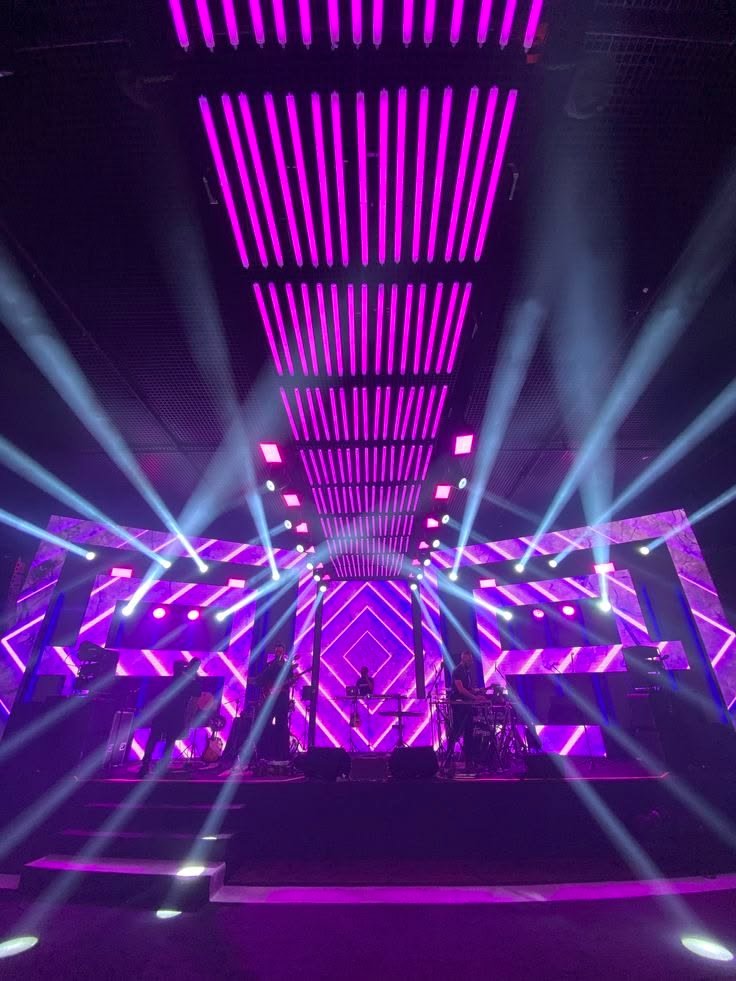
This transforms lighting fixtures into dynamic visual displays capable of producing complex graphics and motion effects.
How Pixel Mapping Works
Every LED inside a compatible fixture is assigned a unique control channel.
Using lighting software or a media server, designers map video content or animation effects across multiple fixtures.
The process typically works like this:
- Create graphics or animation.
- Import the content into pixel mapping software.
- Assign fixtures to a virtual layout.
- Map each LED or pixel to its corresponding position.
- Output control signals through DMX, Art-Net, or sACN.
The result is synchronized lighting that behaves like a giant low-resolution video display.
Why Pixel Mapping Is Important
Pixel mapping allows designers to create visual effects that would be impossible using conventional lighting control.
Benefits include:
- Dynamic animations
- Video-style effects
- Enhanced audience engagement
- Greater creative freedom
- Seamless synchronization
- Modern stage aesthetics
It bridges the gap between lighting and digital media.
Which Fixtures Support Pixel Mapping?
Many professional lighting products are designed for pixel mapping.
These include:
LED Bars
Each LED segment can be individually controlled to create flowing effects and color chases.
LED Pixel Battens
Ideal for architectural lighting, concerts, and stage backdrops.
LED Matrix Panels
Used to display animations and graphic patterns.
Moving Head Fixtures
Some moving head wash and beam lights feature individually controllable LED zones.
LED Video Tubes
Popular for television studios, concerts, and creative stage designs.
Common Applications of Pixel Mapping
Concert Lighting
Large concerts use pixel mapping to synchronize lighting with music, creating spectacular visual effects.
Television Studios
Broadcast productions use animated backgrounds and lighting effects to enhance visual appeal.
Theaters
Pixel mapping creates immersive scenery without physical set changes.
Churches
Modern worship environments use pixel mapping for dynamic stage backgrounds and special events.
Corporate Events
Companies display branded color themes and animated lighting effects during presentations and product launches.
Nightclubs
Animated lighting patterns help create energetic atmospheres on dance floors.
Advantages of Pixel Mapping
Unlimited Creative Possibilities
Designers can create:
- Flowing colors
- Animated graphics
- Wave effects
- Fire simulations
- Rain effects
- Pixel chases
- Visual textures
Better Audience Engagement
Dynamic lighting keeps audiences visually engaged throughout performances.
Integration with Video
Pixel mapping allows lighting fixtures to complement LED video walls and projection systems.
Flexible Programming
Effects can be updated through software without changing physical equipment.
Pixel Mapping vs Traditional Lighting Control
Traditional Lighting
Traditional control treats each fixture as one light source.
Typical controls include:
- Brightness
- Color
- Pan
- Tilt
- Zoom
Pixel Mapping
Pixel mapping controls each LED independently.
This allows:
- Animated effects
- Multi-color patterns
- Graphic displays
- Video playback simulations
The result is far more dynamic and visually impressive.
Software Used for Pixel Mapping
Professional pixel mapping commonly uses:
- Lighting consoles
- Media servers
- Art-Net controllers
- sACN networks
- Pixel mapping software
These systems convert video content into lighting commands that compatible fixtures can interpret.
DMX, Art-Net, and sACN
Pixel mapping often requires more control channels than standard DMX universes can provide.
For this reason, many professional systems use:
- DMX512
- Art-Net
- sACN
These networking protocols efficiently manage large numbers of fixtures and thousands of controllable pixels.
Tips for Successful Pixel Mapping
For the best results:
- Use compatible LED fixtures
- Plan fixture layout carefully
- Keep fixtures evenly spaced
- Choose high-speed network connections
- Test animations before live events
- Synchronize lighting with audio and video systems
Proper planning significantly improves the final visual effect.
Future of Pixel Mapping
As LED technology continues to advance, pixel mapping is expected to become even more powerful.
Future developments may include:
- AI-assisted animation generation
- Higher pixel density
- Smarter media integration
- Real-time visual effects
- Wireless pixel mapping
- Cloud-based programming
These innovations will further blur the line between lighting and digital displays.
Frequently Asked Questions
What is pixel mapping in stage lighting?
Pixel mapping is a lighting control technique that allows individual LEDs within compatible fixtures to be controlled independently for animations, graphics, and dynamic visual effects.
Which fixtures support pixel mapping?
LED bars, LED battens, LED matrix panels, LED video tubes, and many modern moving head fixtures support pixel mapping.
Is pixel mapping only for concerts?
No. Pixel mapping is widely used in theaters, churches, television studios, corporate events, exhibitions, clubs, and architectural lighting.
Does pixel mapping require special software?
Yes. Most pixel mapping systems use media servers, lighting consoles, or dedicated software that converts graphics into lighting control data.
Can pixel mapping work with DMX?
Yes. Small systems can use DMX512, while larger installations often rely on Art-Net or sACN to manage the higher number of control channels required.
Conclusion
Pixel mapping has transformed professional stage lighting by giving designers the ability to control individual LEDs and create stunning animated effects. From concerts and television studios to theaters, churches, and corporate events, this technology delivers immersive visual experiences that go far beyond traditional lighting techniques.
As entertainment technology continues to evolve, pixel mapping will remain a key innovation, allowing lighting designers to seamlessly combine lighting, video, and motion into unforgettable productions.