
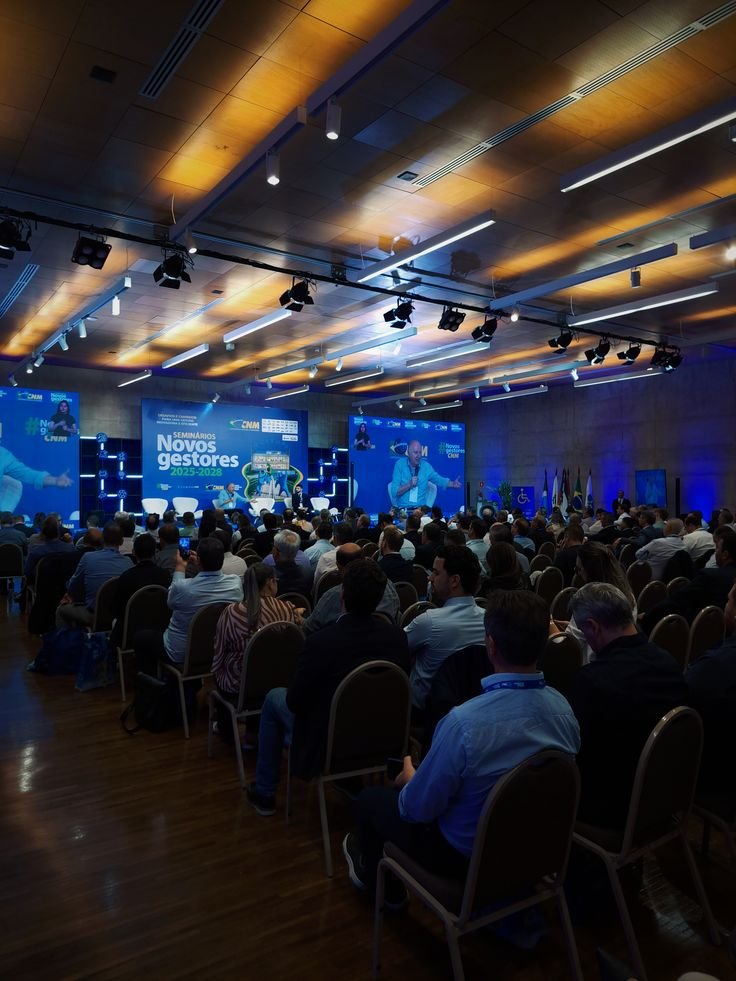
Lighting is one of the most important elements of a successful conference or exhibition. Whether you’re organizing a corporate conference, trade show, product launch, business expo, industry summit, or exhibition event, professional lighting helps create a polished environment, improves attendee engagement, highlights key areas, and strengthens brand presentation.
While many event organizers focus on audiovisual systems and venue design, poor lighting can negatively impact presentations, exhibitor visibility, audience attention, photography, video production, and overall event experience.
In this guide, we’ll explore conference and exhibition lighting best practices to help event organizers create professional, visually appealing, and functional event environments.
Why Lighting Matters at Conferences and Exhibitions
Lighting does much more than illuminate a venue.
A professional lighting design helps:
- Improve speaker visibility
- Enhance audience engagement
- Highlight exhibition booths
- Support presentations
- Strengthen branding
- Improve photography and video recording
- Create a premium event atmosphere
Proper lighting can significantly influence how attendees perceive an event.
Define the Goals of the Event
Before selecting fixtures, determine the primary purpose of the event.
Common event types include:
Corporate Conferences
Require:
- Professional presentation lighting
- Clear speaker visibility
- Broadcast-quality illumination
Trade Shows
Require:
- Booth highlighting
- Product visibility
- Visitor attraction
Product Launches
Require:
- Dynamic lighting effects
- Brand-focused visuals
- Stage impact
Industry Exhibitions
Require:
- Consistent venue lighting
- Comfortable attendee experience
- Flexible lighting zones
Each event type requires a different lighting strategy.
Prioritize Speaker Visibility
One of the biggest mistakes at conferences is poor stage lighting.
Speakers should remain clearly visible from all audience positions.
Best practices include:
Front Lighting
Provides:
- Facial visibility
- Natural appearance
- Professional presentation quality
Back Lighting
Creates separation from backgrounds.
Side Lighting
Adds depth and dimension.
A balanced lighting setup helps maintain audience focus throughout presentations.
Use High CRI Lighting
Conferences and exhibitions often involve:
- Photography
- Live streaming
- Video recording
- Media coverage
High CRI fixtures provide:
- Accurate skin tones
- Better product presentation
- Improved video quality
Professional event environments typically benefit from CRI ratings above 95.
Maintain Consistent Color Temperature
Mixed lighting temperatures can create visual inconsistencies.
Most conference environments use:
4000K–5600K
Benefits include:
- Clean appearance
- Professional atmosphere
- Excellent camera performance
Consistency across all fixtures is essential.
Create Effective Stage Lighting
The main stage is usually the focal point of the event.
A professional stage lighting system often includes:
LED PAR Lights
Used for:
- Stage washes
- Background lighting
- General illumination
Profile Spotlights
Used for:
- Speaker highlighting
- Precise focus control
Moving Head Lights
Used for:
- Opening ceremonies
- Product launches
- Awards presentations
Dynamic fixtures add visual interest when appropriate.
Highlight Branding Elements
Corporate events often rely heavily on branding.
Lighting can be used to emphasize:
- Company logos
- Stage backdrops
- Sponsorship displays
- Product showcases
Techniques include:
- Color matching
- Gobo projection
- Accent lighting
Effective branding reinforces event identity.
Optimize Exhibition Booth Lighting
Exhibitors compete for attendee attention.
Well-lit booths typically attract more visitors.
Best practices include:
Product Lighting
Ensure products are clearly visible.
Accent Lighting
Highlight key displays and demonstrations.
Color Consistency
Maintain professional appearance throughout the booth.
Avoid Excessive Glare
Overly bright fixtures may discourage visitors.
Thoughtful booth lighting improves visitor engagement.
Support Live Streaming and Hybrid Events
Many conferences now include virtual audiences.
Lighting should support:
- Broadcast cameras
- Streaming platforms
- Video recording
Important considerations include:
- High CRI fixtures
- Balanced front lighting
- Controlled shadows
- Consistent color temperatures
Good lighting improves both in-person and online experiences.
Use DMX-Controlled Lighting Systems
Professional conferences often utilize DMX lighting control.
Benefits include:
- Scene automation
- Scheduled transitions
- Centralized operation
- Efficient event management
DMX systems simplify control for large events.
Create Lighting Zones
Large conference venues benefit from multiple lighting zones.
Examples include:
Main Stage
Highest lighting priority.
Registration Areas
Bright, welcoming illumination.
Exhibition Floor
Comfortable lighting for product viewing.
Networking Spaces
Warm and inviting environments.
VIP Areas
Premium lighting experiences.
Zoning improves flexibility and control.
Consider Energy Efficiency
Multi-day conferences can consume significant power.
LED lighting offers advantages such as:
- Lower energy consumption
- Reduced heat output
- Long operational life
- Lower maintenance requirements
LED fixtures have become the industry standard for professional events.
Enhance Events with Intelligent Lighting
For keynote sessions and special presentations, intelligent lighting can add visual impact.
Popular options include:
- Moving head spot lights
- Moving head wash lights
- Beam lights
- Gobo projection fixtures
Use effects strategically to enhance presentations without becoming distracting.
Safety and Reliability Considerations
Event lighting systems should prioritize safety.
Important practices include:
Secure Fixture Mounting
Use approved rigging hardware and safety cables.
Proper Cable Management
Prevent trip hazards and equipment damage.
Backup Power Planning
Prepare for unexpected power interruptions.
Equipment Testing
Verify operation before attendees arrive.
Reliable systems reduce event risks.
Common Conference Lighting Mistakes
Insufficient Speaker Lighting
Poor visibility reduces audience engagement.
Ignoring Camera Requirements
Lighting should support both live and recorded content.
Inconsistent Color Temperatures
Mixed lighting creates visual distractions.
Overusing Effects Lighting
Corporate events typically require a professional appearance.
Poor Exhibition Booth Illumination
Underlit displays may reduce attendee interest.
Example Conference Lighting Setup
A medium-sized conference may include:
- 16 LED PAR Lights
- 6 Profile Spotlights
- 6 Moving Head Wash Lights
- 4 Moving Head Spot Lights
- 4 LED Flat Panel Lights
- DMX Lighting Console
This configuration supports presentations, exhibitions, branding, and video production.
Frequently Asked Questions
What lighting is best for conferences?
LED PAR lights, profile spotlights, flat panel lights, and moving head fixtures are commonly used in professional conference environments.
Why is high CRI important for exhibitions?
High CRI improves product presentation, photography, and video quality.
Do conferences need moving head lights?
Moving heads are useful for opening ceremonies, product launches, and special presentations but are not always required.
What color temperature works best for conferences?
Most professional conference venues use lighting between 4000K and 5600K.
Why use DMX control for events?
DMX allows centralized control, automation, and efficient lighting management.
Conclusion
Successful conference and exhibition lighting combines visibility, branding, audience engagement, and technical performance. By using high-quality LED fixtures, implementing professional control systems, maintaining consistent lighting standards, and supporting both in-person and virtual audiences, event organizers can create memorable experiences that reflect professionalism and enhance event success.
Whether you’re hosting a corporate conference, trade show, product launch, or industry exhibition, investing in proper lighting design will significantly improve both attendee experience and event outcomes.