
Modern church lighting has evolved far beyond basic illumination. Today, churches use professional stage lighting to improve visibility, enhance worship experiences, support live streaming, and create engaging environments for congregations.
Whether you’re designing lighting for a small worship center, a growing church campus, or a large multi-site ministry, the right lighting system can significantly impact how people experience services, music, sermons, and special events.
In this guide, we’ll explore the essential principles of church stage lighting design, recommended equipment, common mistakes to avoid, and best practices for creating an effective worship lighting system.
Why Church Stage Lighting Matters
Lighting plays a vital role in modern worship environments.
A well-designed lighting system helps:
- Improve speaker visibility
- Enhance worship experiences
- Support live streaming and video production
- Create visual focus
- Improve stage aesthetics
- Increase audience engagement
- Support special events and productions
Good lighting should support worship rather than distract from it.
Understanding the Goals of Church Lighting
Unlike concerts, church lighting typically focuses on communication and engagement rather than entertainment.
Most church lighting systems aim to achieve:
Clear Visibility
Pastors, worship leaders, musicians, and speakers should remain clearly visible throughout the service.
Audience Focus
Lighting should direct attention toward key areas of the platform.
Comfortable Atmosphere
The environment should feel welcoming and appropriate for worship.
Broadcast Quality
Many churches now stream services online, requiring lighting that performs well on camera.
Flexibility
The system should support:
- Worship services
- Conferences
- Youth events
- Holiday productions
- Special presentations
Start with the Worship Space
Every lighting design should begin with an evaluation of the room.
Important considerations include:
Stage Size
The size of the platform determines fixture quantity and placement.
Ceiling Height
Higher ceilings often require more powerful fixtures.
Seating Capacity
Audience size influences brightness requirements.
Existing Natural Light
Windows and skylights can affect lighting performance.
Live Streaming Needs
Camera requirements may influence fixture selection.
Understanding the space helps create a more efficient lighting design.
Essential Church Lighting Fixtures
Most churches utilize a combination of fixture types.
LED PAR Lights
LED PAR fixtures are among the most common church lighting products.
Applications include:
- Stage washes
- Platform lighting
- Background color effects
Benefits include:
- Energy efficiency
- Long lifespan
- Color flexibility
Moving Head Lights
Many modern churches use moving heads for dynamic worship environments.
Applications include:
- Worship music
- Conferences
- Special productions
- Youth services
They provide:
- Movement
- Color changes
- Beam effects
LED Flat Panel Lights
Flat panel fixtures provide soft, even illumination.
Ideal for:
- Live streaming
- Sermon lighting
- Video production
Profile Spotlights
Profile fixtures provide precise lighting control.
They are commonly used to:
- Highlight speakers
- Focus attention
- Improve visibility
Follow Spot Lights
Large churches sometimes use follow spots to track speakers and performers.
Designing Effective Lighting Positions
Fixture placement greatly influences visual quality.
Front Lighting
Front lighting is the most important element of church lighting.
It provides:
- Facial visibility
- Natural appearance
- Camera-friendly illumination
Side Lighting
Side lighting adds:
- Depth
- Dimension
- Visual separation
Back Lighting
Back lighting helps separate individuals from backgrounds.
Benefits include:
- Better visual depth
- Improved camera performance
Overhead Lighting
Top lighting provides coverage and supports overall stage illumination.
Combining multiple positions creates a balanced lighting environment.
Church Lighting for Live Streaming
Online ministry has become increasingly important.
Lighting designed only for in-person audiences may not perform well on camera.
Best practices include:
- Consistent color temperature
- High CRI fixtures
- Even front lighting
- Controlled shadows
Professional broadcast-quality lighting significantly improves viewer experience.
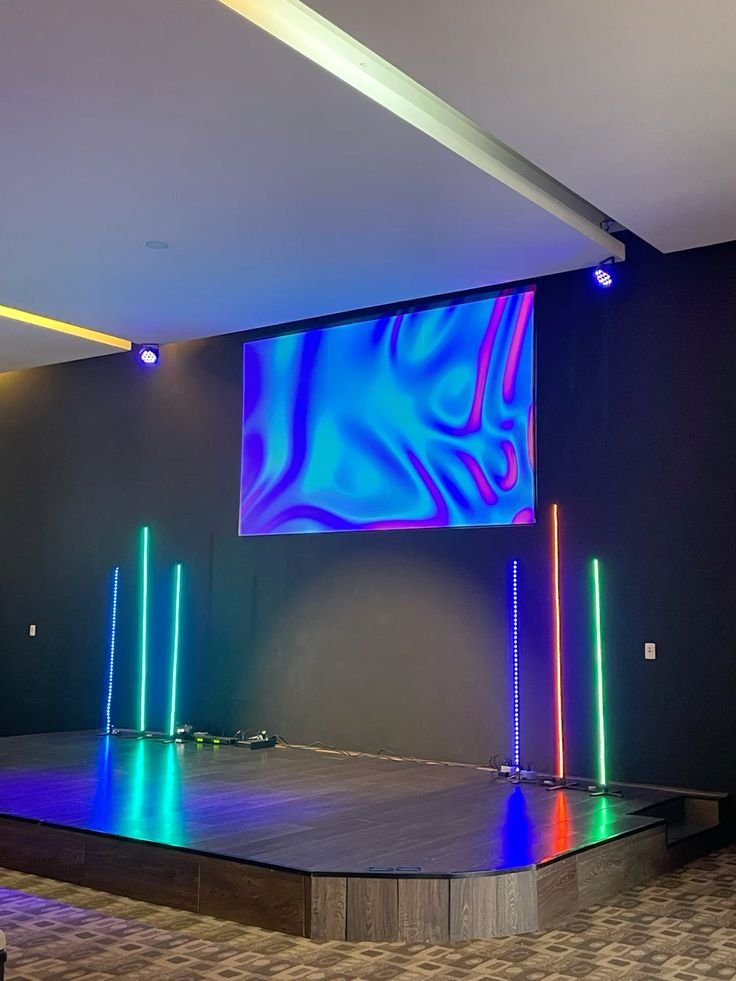
Choosing the Right Color Temperature
Color temperature affects how people and objects appear.
Common options include:
3200K
Produces a warmer appearance.
Often used in traditional worship spaces.
5600K
Produces a daylight-balanced appearance.
Commonly used for live streaming and video production.
Consistency across fixtures is essential.
Why High CRI Matters in Churches
CRI (Color Rendering Index) measures color accuracy.
High CRI fixtures provide:
- Better skin tones
- More accurate colors
- Improved video quality
Many churches prefer fixtures with CRI ratings above 95.
Using Color in Worship Lighting
Color can enhance atmosphere and support worship experiences.
Popular color choices include:
Blue
Creates calm and reflective environments.
Amber
Provides warmth and comfort.
Purple
Often used during seasonal services and special productions.
White
Maintains clarity and focus.
Color should support the worship experience rather than become a distraction.
DMX Control for Church Lighting
Most professional church lighting systems use DMX control.
Benefits include:
- Scene programming
- Automated transitions
- Consistent operation
- Simplified control
DMX allows volunteers and technical teams to manage services more efficiently.
Lighting for Different Church Activities
Worship Services
Typically require:
- Balanced lighting
- Soft color effects
- Consistent visibility
Conferences
May require:
- Increased brightness
- Dynamic visuals
- Presentation lighting
Youth Events
Often utilize:
- Moving lights
- Color effects
- Creative programming
Christmas and Easter Productions
Frequently involve:
- Theatrical lighting
- Special effects
- Advanced programming
A flexible system can support all of these activities.
Common Church Lighting Mistakes
Insufficient Front Lighting
Poor visibility can reduce audience engagement.
Using Low-Quality Fixtures
Cheap fixtures often produce inconsistent color and brightness.
Ignoring Live Stream Requirements
Online viewers require proper lighting quality.
Overusing Effects
Too much movement or excessive color changes can distract from worship.
Inconsistent Color Temperatures
Mixed lighting sources may create poor visual results.
Example Church Lighting Setup
A medium-sized church may use:
- 12 LED PAR Lights
- 6 Moving Head Wash Lights
- 4 Moving Head Spot Lights
- 4 LED Flat Panel Lights
- DMX Lighting Console
- Truss or Ceiling Mounting System
This configuration provides flexibility for most ministry environments.
Frequently Asked Questions
What lighting is best for churches?
LED PAR lights, moving head fixtures, flat panel lights, and profile spotlights are commonly used in modern worship spaces.
Why do churches use colored lighting?
Color helps create atmosphere, visual interest, and enhanced worship experiences.
Are moving head lights suitable for churches?
Yes. Many churches use moving heads for worship services, conferences, and special events.
What color temperature is best for church lighting?
Many churches use either 3200K or 5600K, depending on room conditions and live streaming requirements.
Do churches need DMX control?
DMX control is highly recommended because it simplifies operation and enables professional lighting programming.
Conclusion
Effective church stage lighting combines visibility, atmosphere, technology, and flexibility to support worship experiences and communication. By selecting the right fixtures, using proper fixture placement, implementing DMX control, and considering both in-person and online audiences, churches can create engaging environments that enhance ministry impact.
Whether you’re upgrading an existing system or designing a new worship space, investing in professional church lighting can significantly improve both the congregation experience and the quality of live-streamed services.