
Modern stage lighting is about much more than simply illuminating performers. Today’s audiences expect visually engaging productions that combine color, movement, intensity, and effects to create immersive experiences.
Whether you’re lighting a concert, theater production, church service, corporate event, festival, or television broadcast, the ability to create dynamic stage looks can dramatically improve audience engagement and production quality.
In this guide, we’ll explore how lighting designers use color and movement to create professional stage looks that capture attention and enhance performances.
What Is a Dynamic Stage Look?
A dynamic stage look is a lighting scene that uses changes in color, movement, position, intensity, and effects to create visual interest.
Rather than maintaining a static lighting setup throughout an event, designers continuously adapt lighting to match:
- Music
- Performances
- Emotions
- Presentations
- Audience energy
Dynamic lighting helps transform ordinary productions into memorable experiences.
Why Color and Movement Matter
Color and movement are two of the most powerful tools available to lighting designers.
Together they help:
- Create atmosphere
- Reinforce emotions
- Support storytelling
- Build excitement
- Direct audience attention
- Increase production value
Even a simple stage can appear visually stunning when color and movement are used effectively.
Understanding the Psychology of Color
Different colors create different emotional responses.
Red
Often represents:
- Energy
- Passion
- Intensity
- Excitement
Commonly used during powerful musical moments.
Blue
Typically communicates:
- Calmness
- Trust
- Reflection
- Mystery
Frequently used for slower performances and dramatic scenes.
Green
Can suggest:
- Nature
- Growth
- Creativity
- Fantasy
Purple
Often creates:
- Luxury
- Drama
- Elegance
Amber
Provides:
- Warmth
- Comfort
- Intimacy
A favorite choice for theatrical productions and worship environments.
White
Offers:
- Clarity
- Focus
- Professionalism
Widely used for key performer lighting.
Creating Mood with Color Combinations
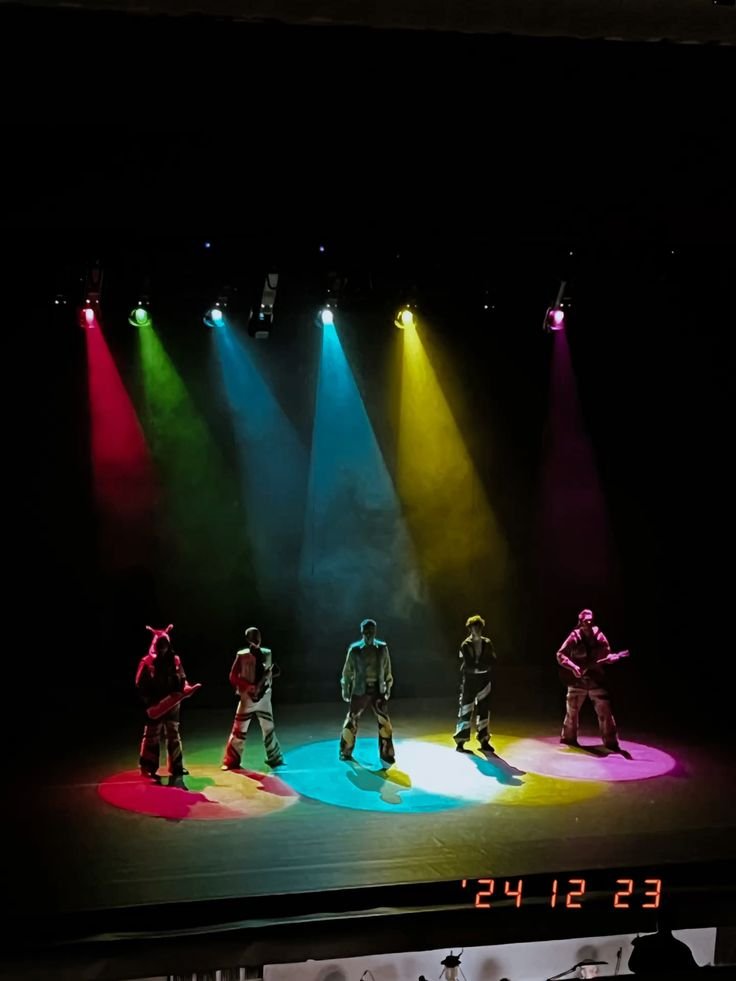
Professional lighting designers rarely rely on a single color.
Popular combinations include:
Blue and Amber
Creates balanced contrast and depth.
Purple and Pink
Produces vibrant concert-style visuals.
Red and White
Adds dramatic energy.
Blue and White
Common in corporate events and broadcast productions.
Layering colors creates richer visual environments than using a single color source.
The Role of Movement in Lighting Design
Movement adds life and energy to a stage.
Modern lighting systems use automated fixtures to create:
- Sweeping beams
- Rotating effects
- Audience scans
- Dynamic transitions
- Chase sequences
Movement should enhance the performance rather than distract from it.
Types of Lighting Movement
Pan Movement
Pan refers to horizontal movement.
Applications include:
- Audience sweeps
- Cross-stage effects
- Dynamic beam patterns
Tilt Movement
Tilt controls vertical movement.
Used for:
- Aerial effects
- Stage coverage
- Focus changes
Combined Pan and Tilt
Together they allow moving head fixtures to create highly dynamic lighting effects.
Using Moving Head Lights Effectively
Moving head fixtures are the primary tools for creating motion.
Popular options include:
Beam Moving Heads
Produce:
- Sharp beams
- Aerial effects
- High-energy visuals
Spot Moving Heads
Provide:
- Gobo projections
- Focused highlighting
- Pattern effects
Wash Moving Heads
Create:
- Smooth color coverage
- Atmospheric looks
- Broad stage illumination
Many professional productions use all three fixture types together.
Synchronizing Lighting with Music
Concert lighting often follows musical structure.
Examples include:
Verse Sections
- Softer colors
- Slower movement
- Lower intensity
Chorus Sections
- Brighter colors
- Faster movement
- Increased energy
Musical Drops
- Beam effects
- Strobes
- Rapid color changes
Synchronization creates stronger emotional connections with audiences.
Creating Depth Through Movement
Movement can make stages appear larger and more dimensional.
Techniques include:
Layered Fixture Positions
Use:
- Front lighting
- Side lighting
- Back lighting
Opposing Movement
Fixtures moving in opposite directions create visual complexity.
Beam Crossing
Crossing beams adds depth and visual texture.
These techniques help avoid flat-looking designs.
Using Gobos for Dynamic Effects
Gobos are patterns projected by lighting fixtures.
Popular applications include:
- Textures
- Shapes
- Branding
- Scenic effects
Combining gobos with movement creates constantly evolving visual environments.
Balancing Movement and Visibility
One common mistake is overusing movement.
Performers must remain visible at all times.
Best practices include:
- Maintain strong front lighting
- Avoid excessive beam movement during speeches
- Use movement to complement key moments
The audience should focus on the performance, not the fixtures.
Dynamic Lighting for Different Event Types
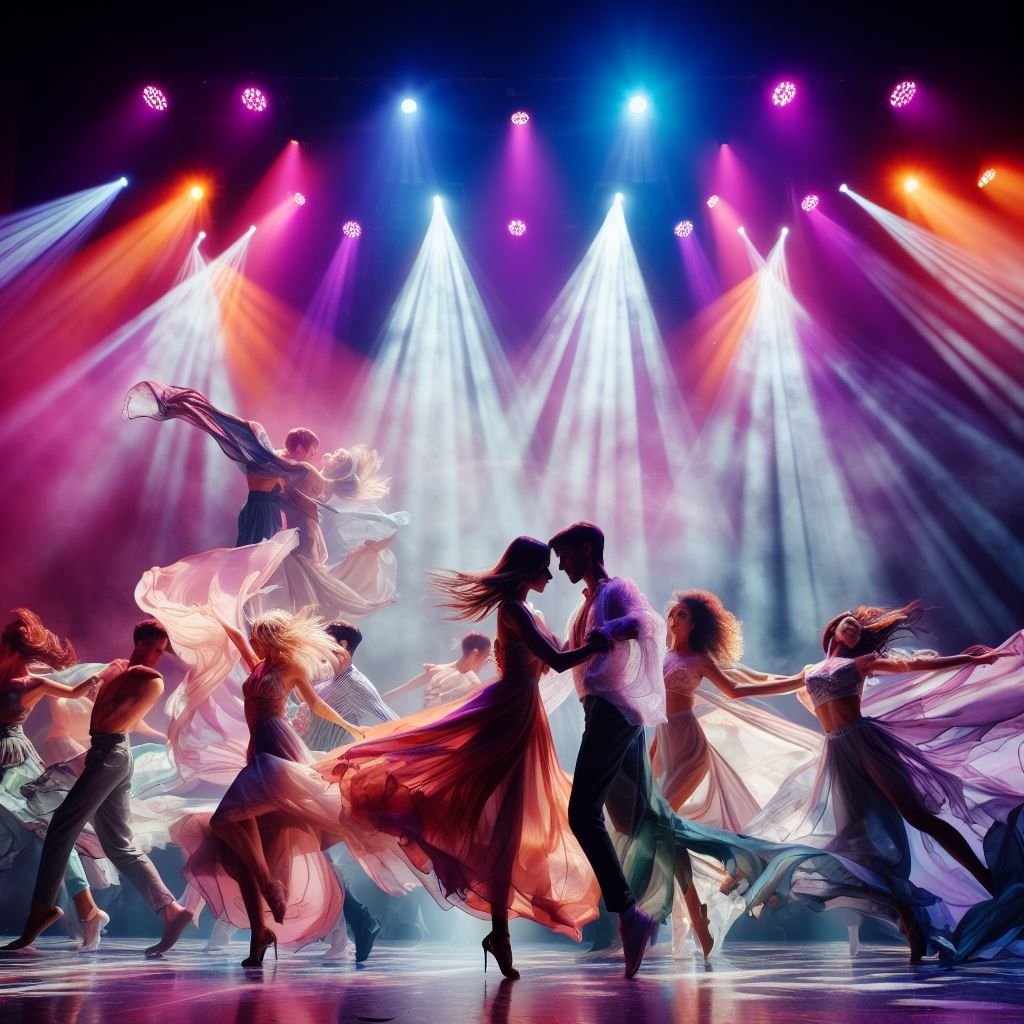
Concerts
Typically feature:
- Fast movement
- Color changes
- Beam effects
- Audience interaction
Churches
Often use:
- Smooth transitions
- Atmospheric colors
- Controlled movement
Corporate Events
Usually require:
- Subtle movement
- Brand-focused color schemes
- Professional presentation
Theater Productions
Movement supports:
- Storytelling
- Scene transitions
- Emotional shifts
The event type should guide programming decisions.
Programming Dynamic Looks with DMX
Professional lighting designers use DMX control systems to program:
- Scenes
- Chases
- Effects
- Movement sequences
- Color transitions
DMX allows operators to execute complex visual looks consistently and reliably.
Common Mistakes to Avoid
Too Many Colors
Excessive color combinations can appear chaotic.
Constant Movement
Continuous motion may distract audiences.
Ignoring Storytelling
Effects should support the performance.
Overusing Strobes
Excessive strobe use can reduce impact and audience comfort.
Poor Timing
Movement and color changes should align with key moments.
Example Dynamic Concert Lighting Setup
A medium-sized stage may include:
- 8 Beam Moving Heads
- 6 Spot Moving Heads
- 6 Wash Moving Heads
- 12 LED PAR Lights
- DMX Lighting Console
- Haze Machine
This combination provides extensive creative flexibility.
Frequently Asked Questions
What creates a dynamic stage look?
Dynamic stage looks combine color, movement, intensity, positioning, and effects to create visual interest.
Which fixtures are best for movement effects?
Moving head beam, spot, and wash lights are the most commonly used fixtures for dynamic effects.
Why is color important in stage lighting?
Color influences mood, atmosphere, storytelling, and audience perception.
Do dynamic lighting effects require DMX control?
Most professional dynamic lighting systems rely on DMX control for programming and automation.
Can dynamic lighting be used in corporate events?
Yes. Subtle movement and carefully selected colors can enhance professionalism and audience engagement.
Conclusion
Creating dynamic stage looks with color and movement is one of the most effective ways to elevate a production. By understanding color psychology, fixture movement, beam effects, programming techniques, and audience perception, lighting designers can create visually engaging environments that enhance performances and leave lasting impressions.
Whether you’re designing for concerts, theaters, churches, corporate events, or broadcast productions, mastering color and movement will significantly improve the impact of your lighting designs.