
Lighting plays a critical role in the success of corporate events and conferences. While many organizers focus heavily on audiovisual equipment, stage design, and content delivery, professional lighting is often what transforms an ordinary business event into a polished and memorable experience.
Whether it’s a corporate conference, product launch, annual meeting, trade show, award ceremony, executive presentation, or business summit, effective lighting enhances visibility, reinforces branding, improves audience engagement, and elevates production quality.
In this guide, we’ll explore the essential principles of lighting design for corporate events and conferences.
Why Lighting Matters in Corporate Events
Corporate lighting serves different purposes than concert or theatrical lighting.
Instead of creating dramatic entertainment effects, corporate lighting focuses on:
- Professional presentation
- Audience engagement
- Brand visibility
- Speaker visibility
- Video and broadcast quality
- Event atmosphere
Well-designed lighting helps communicate professionalism and strengthens the event’s overall impact.
Key Goals of Corporate Event Lighting
Every corporate lighting design should support specific objectives.
Ensure Speaker Visibility
Presenters must remain clearly visible throughout the event.
Attendees should be able to see:
- Facial expressions
- Gestures
- Presentation interactions
This is especially important for keynote speeches and executive presentations.
Enhance Brand Identity
Lighting can reinforce corporate branding through:
- Company colors
- Logo projection
- Branded stage designs
- Custom lighting effects
Many organizations incorporate brand colors directly into their lighting schemes.
Improve Audience Focus
Lighting helps direct attention toward:
- Speakers
- Presentation screens
- Product demonstrations
- Panel discussions
Proper focus improves communication effectiveness.
Support Broadcast and Recording
Many corporate events are streamed online or recorded.
Professional lighting improves:
- Camera performance
- Image quality
- Color accuracy
- Viewer experience
Understanding Different Corporate Event Types
Lighting requirements vary depending on event format.
Conferences
Typically require:
- Consistent stage lighting
- Speaker illumination
- Audience visibility
Product Launches
Often incorporate:
- Dynamic lighting effects
- Brand-focused visuals
- Reveal moments
Award Ceremonies
Frequently use:
- Spotlights
- Stage effects
- Audience lighting
Trade Shows
Focus on:
- Booth visibility
- Product highlighting
- Brand attraction
Executive Meetings
Generally require:
- Clean lighting
- Professional appearance
- Minimal distractions
The event objective should guide lighting decisions.
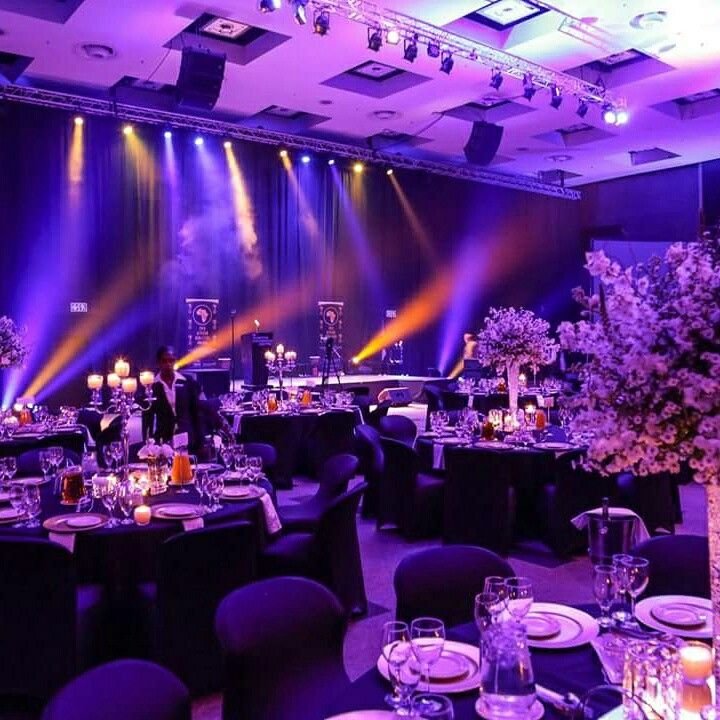
Essential Lighting Fixtures for Corporate Events
Professional corporate productions often utilize multiple fixture types.
LED PAR Lights
LED PAR fixtures are commonly used for:
- Stage washes
- Background lighting
- Brand color effects
They provide flexible and efficient illumination.
Moving Head Lights
Moving heads can add:
- Dynamic effects
- Logo reveals
- Stage transitions
- Audience engagement
They are frequently used for larger conferences and product launches.
Profile Spotlights
Profile fixtures provide precise beam control.
Common uses include:
- Speaker highlighting
- Logo projection
- Presentation focus
Follow Spot Lights
Follow spots track speakers as they move across the stage.
These fixtures are especially useful for large venues.
LED Flat Panel Lights
Flat panel fixtures provide soft, even illumination.
Common applications include:
- Broadcast lighting
- Panel discussions
- Live streaming
Designing the Stage Lighting Layout
Proper fixture placement is essential.
Front Lighting
Front lighting provides:
- Speaker visibility
- Facial illumination
- Professional appearance
This is typically the most important lighting position.
Side Lighting
Side lighting adds:
- Depth
- Dimension
- Visual separation
Back Lighting
Back lighting helps separate presenters from the background.
Benefits include:
- Improved visual depth
- Enhanced camera performance
Background Lighting
Background illumination creates visual interest behind the stage.
Many corporate events use branded color washes on backdrops.
Lighting for Large Projection Screens
Presentation screens are central to most conferences.
Poor lighting design can reduce screen visibility.
Best practices include:
- Avoid direct light on projection surfaces
- Control brightness carefully
- Balance screen and stage illumination
This ensures presentations remain easy to read.
Using Brand Colors Effectively
Corporate events often incorporate company colors.
Examples include:
- Stage washes
- Architectural lighting
- Backdrop illumination
- Logo projection
However, excessive color use can become distracting.
Balance is important.
Lighting for Live Streaming and Hybrid Events
Hybrid events have become increasingly common.
Lighting for cameras differs from lighting for live audiences.
Consider:
- Color temperature consistency
- High CRI fixtures
- Even illumination
- Reduced shadows
Professional broadcast lighting significantly improves online viewing experiences.
Choosing the Right Color Temperature
Color temperature affects how presenters appear on camera.
Typical recommendations include:
3200K
Warm appearance often used in traditional event spaces.
5600K
Daylight-balanced appearance commonly used for broadcast environments.
Consistency across fixtures is essential.
The Importance of High CRI Lighting
Corporate events often feature:
- Branded materials
- Product displays
- Executive presentations
High CRI fixtures provide:
- Accurate color reproduction
- Natural skin tones
- Better camera performance
Professional productions typically target CRI ratings above 95.
DMX Control for Corporate Events
Most professional corporate lighting systems utilize DMX control.
Benefits include:
- Centralized operation
- Automated scenes
- Smooth transitions
- Reliable performance
DMX allows operators to manage complex events efficiently.
Common Corporate Lighting Mistakes
Overusing Concert-Style Effects
Corporate events generally require professionalism over spectacle.
Poor Speaker Visibility
Audiences should never struggle to see presenters.
Ignoring Camera Requirements
Lighting designed only for live audiences may perform poorly on video.
Excessive Brightness
Overlighting can create discomfort and reduce visual appeal.
Inconsistent Color Temperatures
Mixed color temperatures can negatively affect cameras and presentations.
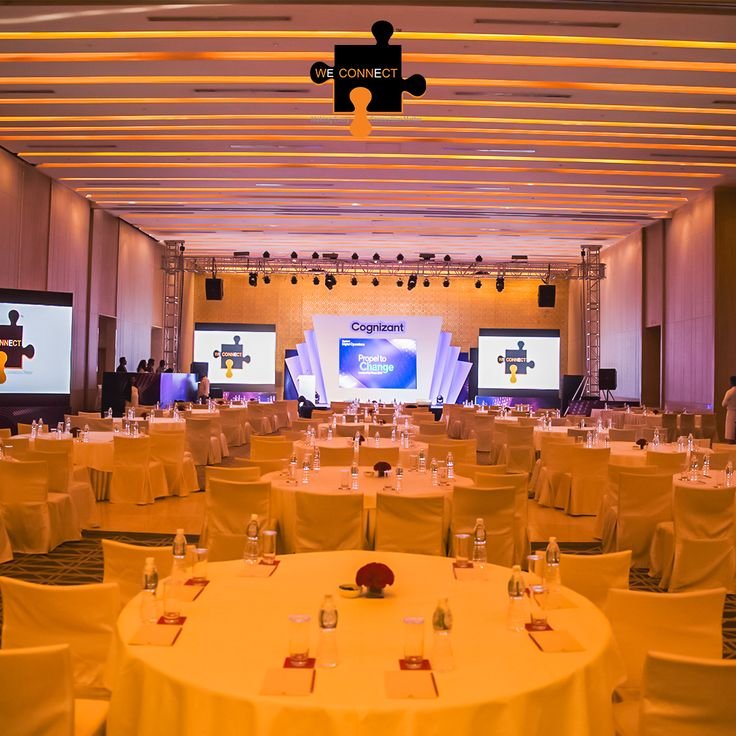
Example Corporate Conference Lighting Setup
A medium-sized conference may include:
- 12 LED PAR Lights
- 6 Moving Head Spot Lights
- 4 Moving Head Wash Lights
- 4 LED Flat Panel Lights
- 2 Follow Spot Lights
- DMX Lighting Console
- Truss System
This setup provides excellent flexibility for most corporate productions.
Frequently Asked Questions
What type of lighting is best for conferences?
LED PAR lights, flat panel lights, profile spotlights, and moving head fixtures are commonly used in conference environments.
Why is lighting important for corporate events?
Lighting improves visibility, supports branding, enhances presentations, and creates a more engaging attendee experience.
Do corporate events use moving head lights?
Yes. Larger conferences and product launches frequently use moving head fixtures for dynamic visual effects.
What color temperature is best for corporate events?
Many productions use either 3200K or 5600K, depending on venue conditions and broadcast requirements.
Is DMX control necessary for corporate events?
DMX control is highly recommended because it allows efficient management of lighting scenes and transitions.
Conclusion
Professional lighting design is a key component of successful corporate events and conferences. By combining proper fixture selection, strategic placement, brand integration, and reliable control systems, event organizers can create polished experiences that enhance communication, improve audience engagement, and strengthen brand perception.
Whether you’re planning a business conference, product launch, executive summit, trade show, or hybrid event, investing in professional lighting design can significantly elevate the overall quality and impact of your event.