
Moving head lights are among the most versatile and widely used fixtures in modern stage lighting. Whether you’re designing lighting for concerts, theaters, churches, nightclubs, festivals, television productions, or corporate events, understanding the differences between Beam, Spot, and Wash moving head lights is essential.
While all three fixtures can pan, tilt, change colors, and create dynamic effects, each serves a different purpose and produces a unique lighting result.
In this guide, we’ll compare Beam, Spot, and Wash moving head lights, explain their key features, and help you determine which fixture is best for your lighting application.
What Are Moving Head Lights?
Moving head lights are intelligent lighting fixtures capable of automated movement and programmable effects.
Most moving heads offer:
- Pan and tilt movement
- Color mixing
- DMX control
- Gobo effects
- Dimming functions
- Automated programming
The three most common categories are:
- Beam Moving Heads
- Spot Moving Heads
- Wash Moving Heads
Each fixture is designed for a different lighting objective.
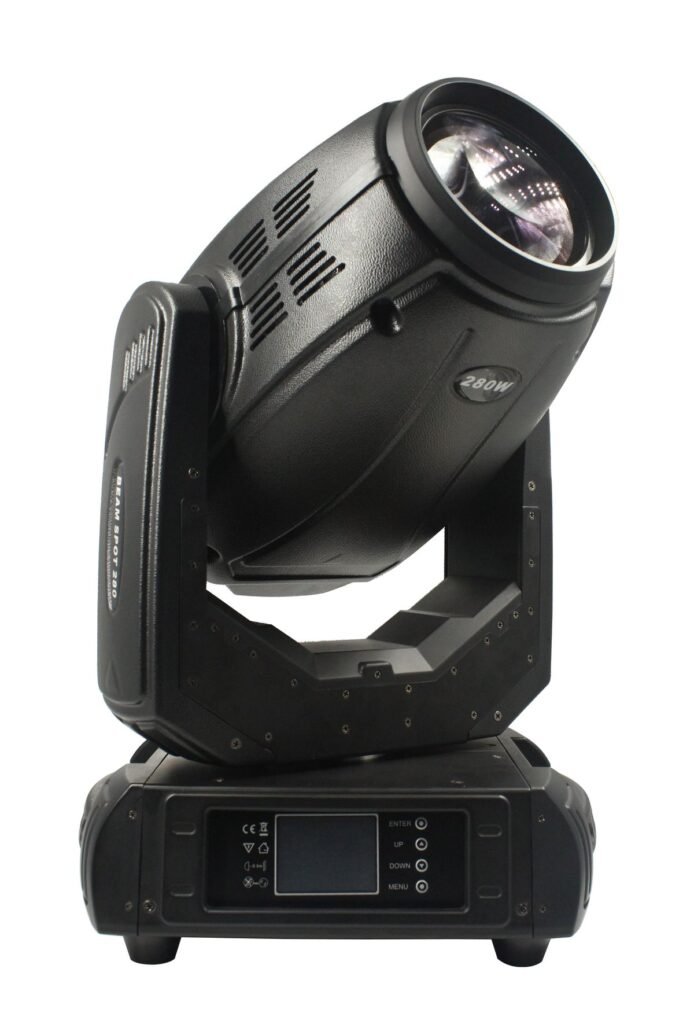
What Is a Beam Moving Head Light?
Beam moving head lights produce an extremely narrow and concentrated beam of light.
Their primary purpose is creating highly visible aerial effects and long-distance beam projections.
Key Characteristics of Beam Lights
- Very narrow beam angle
- Extremely high brightness
- Long throw distance
- Strong aerial visibility
- Sharp beam effects
Typical beam angles range between 1° and 5°.
Best Applications for Beam Lights
Beam fixtures are commonly used in:
- Concerts
- Music festivals
- Nightclubs
- Large outdoor events
- DJ performances
- Touring productions
They are especially effective when combined with haze or fog machines.
Advantages of Beam Moving Heads
- Powerful visual impact
- Long projection distance
- Excellent aerial effects
- High visibility in large venues
Limitations of Beam Lights
- Poor area coverage
- Limited stage wash capabilities
- Not ideal for general illumination
What Is a Spot Moving Head Light?
Spot moving heads produce focused beams that can project gobos, patterns, logos, and textures.
They are often considered the most versatile type of moving head fixture.
Key Characteristics of Spot Lights
- Adjustable beam angles
- Gobo projection
- Prism effects
- Pattern projection
- Focus control
Spot fixtures typically offer beam angles ranging from 8° to 30° or more.
Best Applications for Spot Lights
Spot moving heads are widely used for:
- Theater productions
- Corporate events
- Stage presentations
- Concerts
- Worship services
- Television productions
Advantages of Spot Moving Heads
- Multi-purpose functionality
- Pattern projection capabilities
- Precise targeting
- Excellent versatility
Limitations of Spot Lights
- Less powerful aerial beams than beam fixtures
- Less coverage than wash fixtures
What Is a Wash Moving Head Light?
Wash moving heads are designed to provide wide and even illumination.
Instead of creating narrow beams, wash fixtures spread light across large areas.
Key Characteristics of Wash Lights
- Wide beam angles
- Smooth color mixing
- Soft illumination
- Large area coverage
- Uniform light output
Beam angles often range from 20° to 60° or wider.
Best Applications for Wash Lights
Wash fixtures are commonly used for:
- Stage washes
- Background lighting
- Church stages
- Theater productions
- Corporate events
- Architectural lighting
Advantages of Wash Moving Heads
- Excellent coverage
- Smooth color transitions
- Soft lighting effects
- Ideal for large surfaces
Limitations of Wash Lights
- Limited beam effects
- Less aerial impact than beam fixtures
Beam vs Spot vs Wash: Side-by-Side Comparison
| Feature | Beam | Spot | Wash |
|---|---|---|---|
| Beam Angle | Very Narrow | Medium | Wide |
| Coverage Area | Small | Medium | Large |
| Gobo Projection | Limited | Excellent | Rare |
| Aerial Effects | Excellent | Good | Limited |
| Color Mixing | Good | Good | Excellent |
| Long Throw Distance | Excellent | Good | Moderate |
| Stage Illumination | Poor | Good | Excellent |
| Visual Effects | Excellent | Excellent | Good |
Which Moving Head Light Is Best for Concerts?
Concert productions often combine all three fixture types.
A typical concert setup includes:
Beam Fixtures
Used for:
- Sky beams
- Audience sweeps
- Dynamic aerial effects
Spot Fixtures
Used for:
- Gobo projections
- Highlighting performers
- Visual effects
Wash Fixtures
Used for:
- Stage coverage
- Color washes
- Background lighting
The combination creates a complete lighting system capable of producing professional show experiences.
Which Moving Head Light Is Best for Churches?
Many modern churches prioritize wash and spot fixtures.
Wash lights provide:
- Stage illumination
- Worship atmosphere
- Smooth color transitions
Spot fixtures provide:
- Speaker highlighting
- Visual effects
- Projection capabilities
Beam fixtures are often used for special events and concerts.
Which Moving Head Light Is Best for Theaters?
Theater productions often rely heavily on spot and wash fixtures.
Spot lights help:
- Highlight actors
- Project gobos
- Support storytelling
Wash lights help:
- Illuminate scenery
- Create mood
- Enhance stage depth
Beam lights are generally used less frequently in traditional theater environments.
Hybrid Moving Head Lights
Many manufacturers now offer hybrid moving heads.
Hybrid fixtures combine:
- Beam functions
- Spot functions
- Wash capabilities
Benefits include:
- Greater versatility
- Reduced fixture count
- Flexible programming options
These fixtures are increasingly popular for touring productions and multi-purpose venues.
Factors to Consider Before Buying Moving Head Lights
Before selecting moving head fixtures, consider:
- Venue size
- Ceiling height
- Event type
- Control system compatibility
- Budget
- Indoor or outdoor use
- Desired visual effects
The right choice depends on your specific production requirements.
Frequently Asked Questions
What is the difference between beam and spot moving head lights?
Beam fixtures create narrow aerial beams, while spot fixtures create focused beams capable of projecting gobos and patterns.
Are wash lights good for stage lighting?
Yes. Wash fixtures provide broad and even illumination that is ideal for stage coverage and background lighting.
Which moving head light is best for concerts?
Most concert productions use a combination of beam, spot, and wash fixtures to create a complete lighting system.
What are hybrid moving head lights?
Hybrid fixtures combine beam, spot, and wash functions into a single fixture.
Can moving head lights be controlled with DMX?
Yes. Most professional moving head fixtures use DMX512 control systems for programming and operation.
Conclusion
Beam, Spot, and Wash moving head lights each serve a unique purpose in professional lighting design. Beam fixtures excel at aerial effects, spot fixtures offer precision and versatility, and wash fixtures provide broad coverage and smooth color mixing.
Understanding the strengths and limitations of each fixture helps lighting designers create more effective and visually impressive productions. In many professional environments, the best solution is not choosing one over another but combining all three to achieve maximum creative flexibility.