
Color temperature is one of the most important factors in professional lighting. Whether you’re illuminating a concert stage, television studio, theater production, church platform, photography set, or film location, color temperature directly affects how people, objects, and environments appear to audiences and cameras.
Choosing the wrong color temperature can result in unnatural skin tones, inconsistent visuals, poor audience experiences, and additional post-production work. Understanding how color temperature works helps lighting professionals create more effective and visually appealing productions.
In this guide, we’ll explain what color temperature is, how it impacts stage and studio lighting, and how to choose the right color temperature for different applications.
What Is Color Temperature?
Color temperature refers to the visual appearance of light and is measured in Kelvin (K).
It describes whether light appears warm, neutral, or cool.
Contrary to what many beginners assume, color temperature does not measure how hot a light fixture becomes. Instead, it describes the color characteristics of the light it produces.
Common color temperature ranges include:
- 2700K–3200K = Warm white
- 4000K–4500K = Neutral white
- 5000K–6500K = Cool white or daylight
The higher the Kelvin value, the cooler and bluer the light appears.
The lower the Kelvin value, the warmer and more yellow the light appears.
Why Color Temperature Matters
Color temperature significantly influences how audiences and cameras perceive a scene.
It affects:
- Mood and atmosphere
- Skin tone appearance
- Color accuracy
- Visual consistency
- Audience perception
- Camera performance
Selecting the correct color temperature helps create a professional and cohesive visual experience.
Understanding Warm Light (2700K–3200K)
Warm lighting produces a soft, yellowish appearance similar to traditional tungsten lamps.
Characteristics of Warm Light
- Comfortable appearance
- Inviting atmosphere
- Natural warmth
- Traditional theatrical feel
Common Applications
- Theater productions
- Houses of worship
- Dramatic performances
- Hospitality venues
- Live entertainment environments
Warm lighting is often used to create emotional connection and intimacy.
Understanding Neutral Light (4000K–4500K)
Neutral white lighting sits between warm and cool light.
Characteristics of Neutral Light
- Balanced appearance
- Natural color reproduction
- Reduced color bias
Common Applications
- Multi-purpose venues
- Conference centers
- Educational facilities
- Corporate presentations
Neutral lighting offers flexibility across different environments.
Understanding Cool Light (5000K–6500K)
Cool lighting closely resembles natural daylight.
Characteristics of Cool Light
- Crisp appearance
- Modern aesthetic
- High visual clarity
- Enhanced camera performance
Common Applications
- Television studios
- Film production
- Photography
- Broadcast environments
- Live streaming studios
Cool lighting often produces cleaner and more professional results for camera-based applications.
Color Temperature and Audience Perception
Color temperature has a direct impact on how audiences emotionally respond to a performance.
Warm Temperatures Create
- Comfort
- Intimacy
- Relaxation
- Emotional connection
Cool Temperatures Create
- Energy
- Professionalism
- Focus
- Modernity
Lighting designers frequently use color temperature as a storytelling tool to influence audience perception.
Color Temperature in Stage Lighting
Stage productions often combine multiple color temperatures to create visual interest and support storytelling.
Theater Lighting
Traditional theater environments commonly use warm white lighting around 3200K.
This helps create natural skin tones and supports dramatic performances.
Concert Lighting
Concert productions often combine various color temperatures with dynamic color effects to create excitement and atmosphere.
Church Lighting
Many modern worship environments use a balance of warm and neutral white lighting to maintain visibility while creating an inviting atmosphere.
Color Temperature in Television Studios
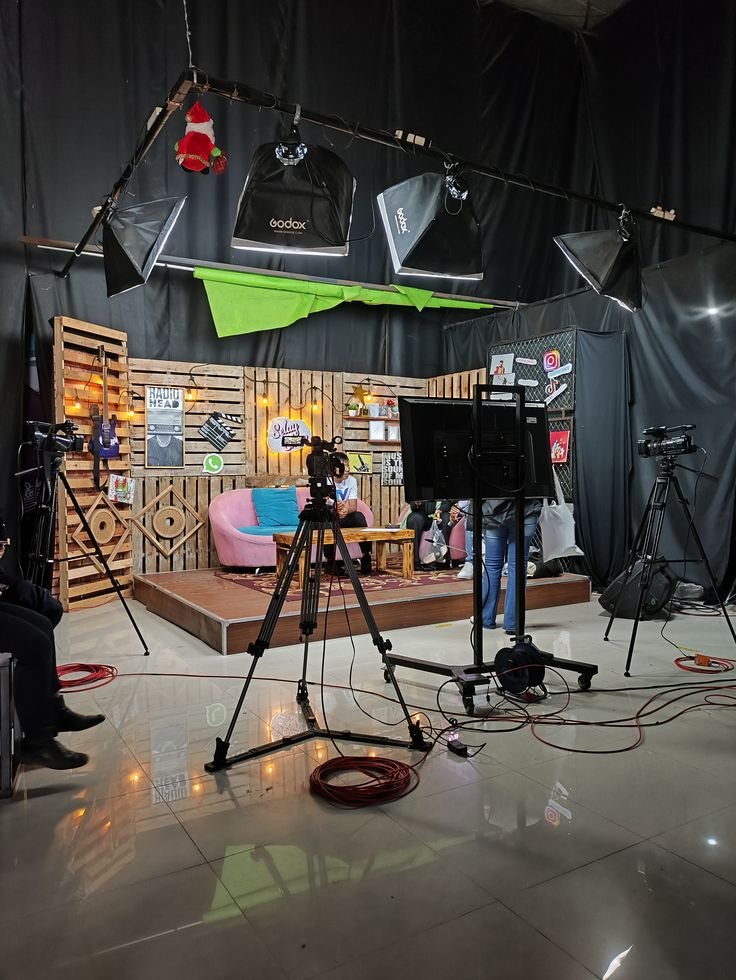
Television studios typically operate with daylight-balanced lighting around 5600K.
This standard helps ensure:
- Accurate color reproduction
- Consistent camera performance
- Natural-looking presenters
- Professional broadcast quality
Maintaining consistent color temperature throughout a studio is critical for achieving high-quality video output.
Color Temperature in Film Production
Film productions often adjust color temperature based on creative objectives.
Examples include:
- Warm tones for emotional scenes
- Cool tones for dramatic or futuristic environments
- Daylight-balanced lighting for outdoor simulations
Cinematographers use color temperature to reinforce storytelling and visual mood.
Color Temperature and Skin Tones
One of the most noticeable effects of color temperature is how it affects skin tone appearance.
Incorrect color temperature can make people appear:
- Too orange
- Too blue
- Too pale
- Unnatural
Selecting the appropriate color temperature helps ensure flattering and realistic skin tone reproduction.
This is especially important in:
- Television broadcasting
- Film production
- Photography
- Live streaming
Mixing Different Color Temperatures
A common mistake in professional lighting is combining fixtures with significantly different color temperatures.
This can cause:
- Inconsistent lighting
- Difficult color correction
- Unnatural appearances
- Visual distractions
Whenever possible, lighting systems should maintain consistent color temperatures within the same scene.
Adjustable Color Temperature Fixtures
Modern LED technology allows many fixtures to provide adjustable color temperatures.
Benefits include:
- Greater flexibility
- Faster setup adjustments
- Multi-purpose venue compatibility
- Reduced equipment requirements
This feature is particularly valuable for venues that host different types of productions.
Choosing the Right Color Temperature
The ideal color temperature depends on your application.
Recommended Color Temperatures
| Application | Recommended Color Temperature |
|---|---|
| Theater Productions | 3200K |
| Houses of Worship | 3200K–4500K |
| Concert Lighting | Variable |
| Television Studios | 5600K |
| Film Production | 3200K–5600K |
| Photography Studios | 5600K |
| Live Streaming Studios | 5600K |
| Corporate Events | 4000K–5600K |
Frequently Asked Questions
What is color temperature in lighting?
Color temperature describes the visual appearance of light and is measured in Kelvin (K).
What color temperature is best for stage lighting?
Many stage productions use lighting around 3200K, although the ideal temperature depends on the specific application and creative goals.
Why do television studios use 5600K lighting?
5600K closely matches natural daylight and provides excellent color accuracy for cameras.
Does color temperature affect skin tones?
Yes. Incorrect color temperature can make skin tones appear unnatural or inconsistent.
Can LED fixtures change color temperature?
Many modern LED fixtures offer adjustable color temperature settings, allowing users to switch between warm and cool lighting as needed.
Conclusion
Color temperature is a fundamental element of professional lighting design. It influences mood, visibility, audience perception, skin tone reproduction, and camera performance.
Whether you’re designing a theater production, operating a television studio, managing a church stage, or creating content for film and live streaming, understanding color temperature helps ensure professional and visually appealing results.
By selecting the appropriate color temperature for each application and maintaining consistency throughout a lighting system, professionals can create more engaging experiences for both audiences and cameras.