
Stage lighting is the art and science of using light to illuminate performers, enhance visibility, create mood, and support storytelling during live performances, events, broadcasts, and productions. From concerts and theaters to churches, television studios, and corporate events, stage lighting plays a critical role in shaping how audiences experience a performance.
While many people think stage lighting simply helps the audience see performers, professional lighting does much more. It guides attention, creates atmosphere, supports visual effects, and transforms ordinary spaces into engaging environments.
In this beginner’s guide, we’ll explore what stage lighting is, why it matters, the different types of stage light, and the key concepts every newcomer should understand.
Why Is Stage Lighting Important?
Without proper lighting, even the most talented performers can struggle to connect with an audience. Stage lighting serves several essential functions:
Visibility
The primary purpose of stage lighting is to ensure performers, speakers, and key visual elements are clearly visible.
Focus and Attention
Lighting directs the audience’s attention to specific performers, areas of the stage, or important moments during a production.
Mood and Atmosphere
Different colors, intensities, and lighting angles can dramatically influence the emotional impact of a performance.
Storytelling
Lighting helps communicate time, location, emotion, and dramatic transitions throughout a show.
Visual Enhancement
Professional lighting adds depth, dimension, texture, and excitement that elevate the overall production quality.
A Brief History of Stage Lighting
Stage lighting has evolved significantly over centuries.
Early theatrical performances relied on natural sunlight and candlelight. As technology advanced, gas lamps and electric lighting became common in theaters.
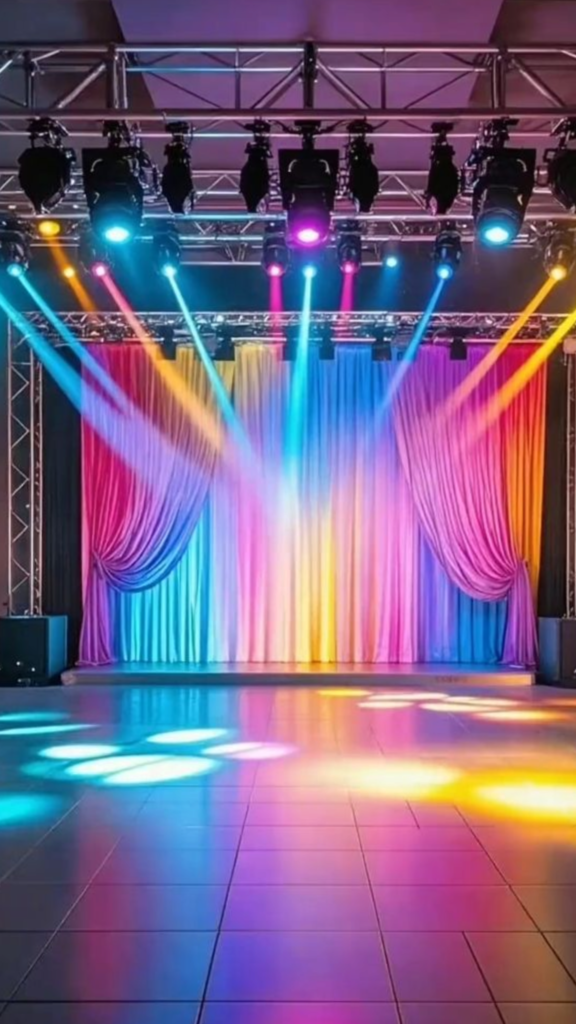
Today, modern productions primarily use LED-based fixtures, intelligent moving lights, digital control systems, and advanced programming techniques to create highly sophisticated lighting effects.
The Main Types of Stage Lighting Fixtures
Understanding fixture types is one of the most important steps for beginners.
Spotlight
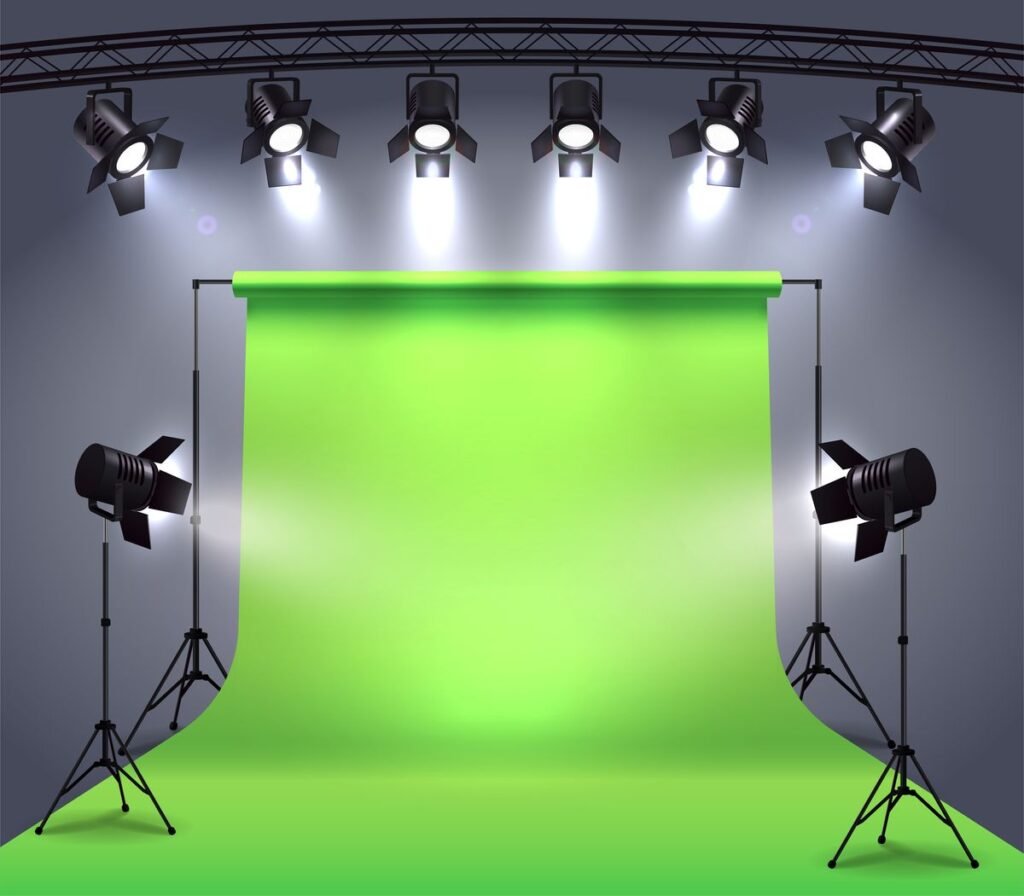
Spotlights produce focused beams of light designed to highlight performers or specific stage areas.
Common applications include:
- Theater productions
- Public speaking events
- Worship services
- Broadcast studios
Fresnel Lights
Fresnel fixtures provide soft-edged beams that create natural-looking illumination.
They are commonly used for:
- Film production
- Television studios
- Theater stages
- Interview setups
Profile Spotlights
Profile lights create precise beam shapes and can project patterns or logos.
Applications include:
- Theater productions
- Architectural lighting
- Corporate events
- Stage presentations
Flood Lights
Flood lights distribute wide, even illumination across large areas.
They are often used for:
- Stage washes
- Outdoor events
- Background lighting
Moving Head Lights
Moving head fixtures are intelligent lights capable of automatic pan and tilt movements.
They can create:
- Dynamic effects
- Beam movements
- Color changes
- Concert lighting sequences
LED Panel Lights
LED panel lights provide soft and uniform illumination.
They are widely used in:
- Film production
- Television studios
- Live streaming
- Photography
Understanding Stage Lighting Positions
The position of lighting fixtures greatly affects the final visual result.
Front Lighting
Front lighting illuminates performers from the audience side and provides visibility.
Side Lighting
Side lighting adds dimension and highlights body movement, making it popular in dance performances.
Back Lighting
Back lighting separates performers from the background and creates depth.
Top Lighting
Mounted above the stage, top lighting creates dramatic effects and emphasizes form.
Foot Lighting
Placed near stage level, footlights can create unique theatrical effects and reduce facial shadows.
Key Lighting Concepts Every Beginner Should Know
Beam Angle
Beam angle determines how wide or narrow a light spreads.
Narrow beam angles create focused effects, while wider beam angles provide broader coverage.
Color Temperature
Color temperature affects how warm or cool light appears.
Examples include:
- 3200K (warm white)
- 5600K (daylight white)
CRI (Color Rendering Index)
CRI measures how accurately a light source reveals colors compared to natural sunlight.
Higher CRI values are preferred in professional productions.
Intensity
Intensity refers to the brightness level of a lighting fixture.
Lighting designers carefully adjust intensity to create visual balance.
Common Applications of Stage Lighting
Professional stage lighting is used across many industries.
Concert Lighting
Concert productions rely on dynamic lighting effects, moving heads, color changes, and synchronized programming.
Theater Lighting
Theater lighting supports storytelling, mood, and audience engagement.
Church Lighting
Modern houses of worship use stage lighting to enhance worship experiences and improve visibility.
Television Studios
Broadcast environments require consistent, high-quality illumination for cameras.
Corporate Events
Lighting improves presentations, branding, and audience engagement during conferences and exhibitions.
How Modern LED Technology Changed Stage Lighting
LED technology has transformed the lighting industry.
Benefits include:
- Lower power consumption
- Longer fixture lifespan
- Reduced maintenance
- Improved color control
- Lower heat generation
- Enhanced programming capabilities
Because of these advantages, LED fixtures have become the standard choice for most modern productions.
Choosing the Right Stage Lighting Equipment
Several factors should be considered when selecting stage lighting equipment:
- Venue size
- Application type
- Ceiling height
- Control requirements
- Indoor or outdoor use
- Budget
- Power availability
A small church, for example, will have different requirements than a touring concert production or television studio.
Frequently Asked Questions
What is stage lighting used for?
Stage lighting is used to improve visibility, create atmosphere, support storytelling, and enhance audience engagement during performances and events.
What are the most common types of stage lights?
Common types include spotlights, Fresnel lights, profile lights, flood lights, moving head lights, and LED panel lights.
Why are LED stage lights popular?
LED fixtures offer energy efficiency, long lifespan, low maintenance, excellent color control, and reduced heat output.
What is DMX in stage lighting?
DMX is a digital communication protocol used to control lighting fixtures, effects, and other entertainment equipment.
What industries use stage lighting?
Stage lighting is widely used in concerts, theaters, churches, television studios, film production, conferences, exhibitions, and live entertainment venues.
Conclusion
Stage lighting is far more than simply illuminating a stage. It is a powerful creative and technical tool that shapes audience perception, enhances performances, and creates memorable visual experiences.
Whether you’re designing a theater production, upgrading a church stage, operating a television studio, or planning a live event, understanding the fundamentals of stage lighting is the first step toward achieving professional results.
As lighting technology continues to evolve, mastering these foundational concepts will help you make informed decisions and create more engaging productions.